
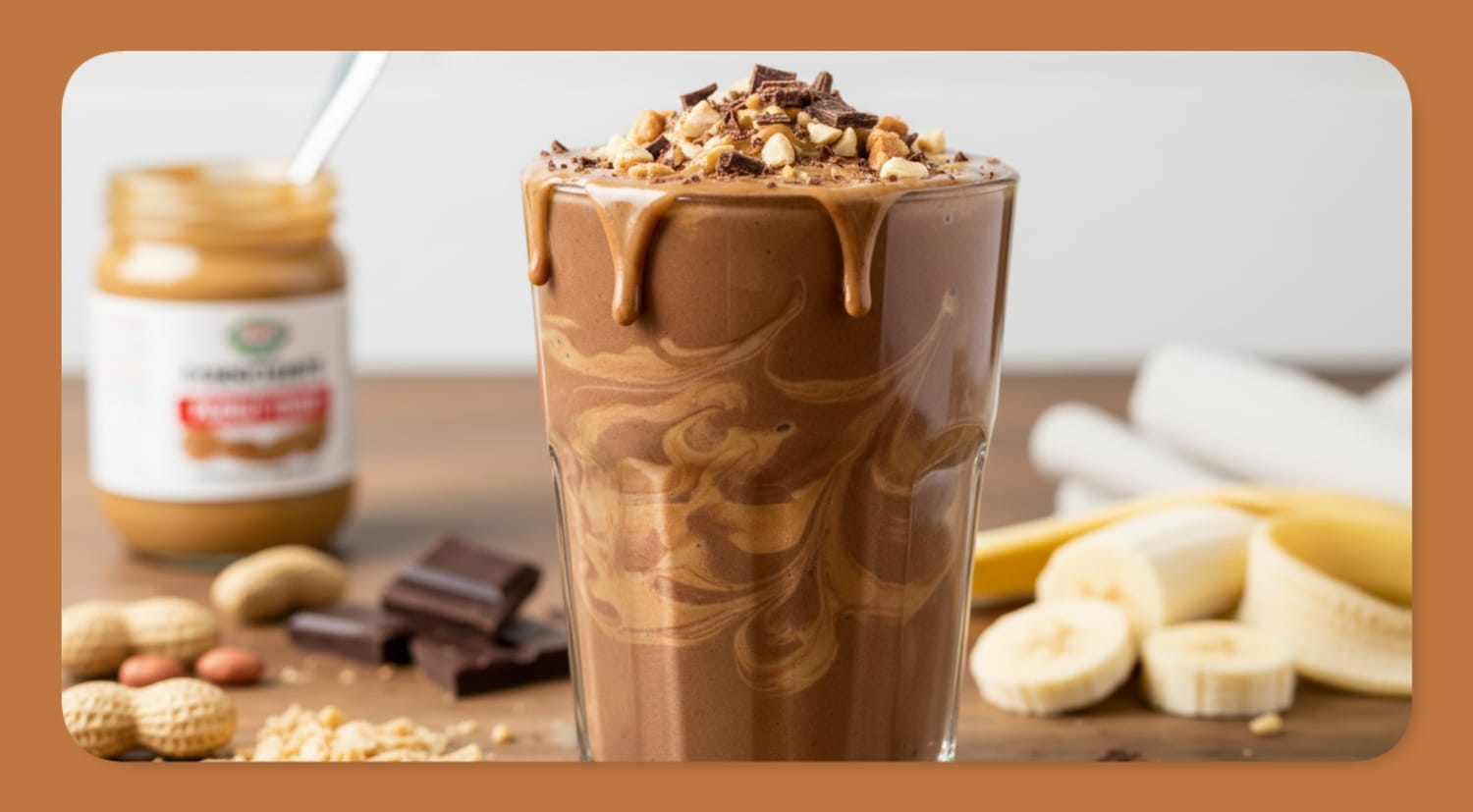
Decadent Chocolate Peanut Butter Smoothie: Healthy Dessert Alternative
The first sip hits like velvet, rich chocolate mingles with creamy peanut butter, and suddenly you're not thinking about that afternoon slump or the candy bar calling from the pantry. This isn't your average protein shake or boring health food disguised as dessert. This is legitimately delicious, thick enough to satisfy a serious chocolate craving, and packed with enough protein to keep you full until dinner.
We've all been there, it's 3 PM, energy is crashing, and every fiber of your being wants something sweet and indulgent. Store-bought chocolate drinks are loaded with sugar and artificial ingredients, while most "healthy" alternatives taste like disappointment blended with false promises. I spent weeks testing chocolate smoothie recipes, tweaking ratios, and perfecting the technique until I created something that actually tastes like a milkshake but fuels your body like a proper meal. The secret? Using frozen banana for ice cream-like thickness, real cocoa powder for deep chocolate flavor, and natural peanut butter for protein and satisfying richness.
This smoothie solves the eternal struggle between wanting dessert and wanting to feel good about your choices. It's sweet enough to curb cravings, thick enough to eat with a spoon, and nutritious enough to serve your kids without guilt. Whether you're looking for a post-workout recovery drink, a breakfast that tastes like dessert, or a healthy alternative to ice cream, this chocolate peanut butter smoothie delivers on every level.
What Makes This Smoothie Special
Dessert-Level Flavor Without the Sugar Crash: Tastes like a Reese's cup transformed into drinkable form, but with only natural sugars from banana and dates. No artificial sweeteners, no refined sugar, just real ingredients that happen to taste incredible together.
Seriously Satisfying Protein Content: Delivers 22g of protein per serving from Greek yogurt, peanut butter, and optional protein powder, comparable to a full meal and enough to keep hunger at bay for 3 to 4 hours. Most fruit smoothies offer 5 to 8g at best.
Thick, Spoonable Milkshake Texture: The frozen banana and Greek yogurt combination creates that coveted soft-serve consistency that makes you slow down and savor every bite. This isn't a watery drink you gulp down, it's a thick, creamy experience.
Kid-Approved Nutrition: Parents constantly tell me their picky eaters request this "chocolate milkshake" without realizing they're consuming Greek yogurt, banana, and healthy fats. It's the rare recipe that satisfies both children's taste buds and parents' nutritional standards.
Five-Minute Indulgence: From freezer to glass in under five minutes with just one blender to clean. No special equipment, no complicated steps, no excuses not to make it.
Recipe Overview
Prep Time: 3 minutes
Total Time: 5 minutes
Servings: 1 large smoothie or 2 small servings
Calories per Serving: ~380 kcal
Protein per Serving: 22g
Base Ingredients:
- 1 large banana, frozen in chunks (140g) - creates ice cream texture and natural sweetness
- 2 tablespoons natural peanut butter (32g) - adds protein, healthy fats, and nutty richness
- 2 tablespoons unsweetened cocoa powder (12g) - provides deep chocolate flavor and antioxidants
- 1/2 cup plain Greek yogurt (120g) - boosts protein and creates creamy tang that balances sweetness
- 3/4 cup milk of choice (180ml) - adjusts consistency (use less for thicker bowl, more for drinkable)
- 2 pitted Medjool dates (24g) - natural sweetness that enhances chocolate flavor
- 1/4 teaspoon vanilla extract - rounds out flavor profile
- Pinch of sea salt - amplifies chocolate and peanut butter flavors
Nutritional Boosters (Optional):
- 1 scoop chocolate or vanilla protein powder (adds 15 to 20g protein)
- 1 tablespoon ground flax seeds (adds omega-3s and fiber)
- 1 tablespoon chia seeds (boosts fiber and creates thicker texture)
- 1 handful baby spinach (won't affect chocolate taste at all!)
- 1/4 teaspoon espresso powder (intensifies chocolate flavor)
Smoothie Bowl Toppings (Optional):
- Cacao nibs for crunch
- Sliced banana
- Drizzle of peanut butter or almond butter
- Dark chocolate chips
- Granola clusters
- Coconut flakes
- Fresh strawberries or raspberries
- Crushed pretzels for sweet-salty combo
Blending Instructions & Technique
A. Preparation:
Freezing Your Banana: The night before (or at least 2 hours ahead), peel your banana, break into 1-inch chunks, and freeze on a parchment-lined tray. Once frozen solid, transfer to a freezer bag. This prevents one giant frozen banana clump that your blender struggles with. If you forget to pre-freeze, you can use a fresh banana and add 1/2 cup ice cubes, though the texture won't be quite as creamy.
Softening Dates: If your dates are dry or firm, soak them in warm water for 5 minutes, then drain completely before adding. Soft, fresh Medjool dates can go straight into the blender.
B. Blend Order & Layering:
- Add milk first (prevents ingredients from sticking to blender blades and ensures smooth blending from the start)
- Add Greek yogurt and peanut butter (these need direct contact with liquid to blend smoothly without clumping)
- Drop in dates, cocoa powder, vanilla, and salt (lighter ingredients that distribute easily)
- Top with frozen banana chunks (heaviest ingredients go last so they're pushed down into the blades by their own weight)
C. Blending Technique:
Start on LOW speed for 10 to 15 seconds to break down the frozen banana chunks without straining your blender motor. You'll hear loud chunking sounds initially, this is normal.
Increase to MEDIUM speed for 20 seconds, using the tamper if your blender has one to push ingredients toward the blades. If you don't have a tamper, stop the blender and use a spatula to scrape down the sides.
Finish on HIGH speed for 30 to 45 seconds until completely smooth. The motor sound should even out, and the mixture should create a vortex in the center. The color should be rich, chocolatey brown, not pale or streaky.
Too thick? Add milk 1 tablespoon at a time and pulse briefly until desired consistency is reached. For a drinkable smoothie, aim for milkshake thickness that moves through a wide straw. Too thin? Add a few ice cubes or another tablespoon of peanut butter and blend again.
D. For Smoothie Bowls - Creating Texture:
Use only 1/2 cup milk (instead of 3/4 cup) for an ultra-thick, spoonable consistency. The mixture should be thick enough that you have to scrape it from the blender with a spatula, it won't pour on its own.
Testing bowl thickness: Insert a spoon into the smoothie. It should stand upright without falling over. If it topples, blend in 2 tablespoons of oats or another 1/4 frozen banana.
E. Finishing & Serving:
Pour immediately into a chilled glass for a drinkable smoothie, or into a wide bowl for a smoothie bowl. The smoothie is best consumed within 15 minutes while the temperature is perfectly cold and the texture is at its creamiest.
For smoothie bowls, arrange toppings immediately. Start with heavier items like granola and banana slices, then finish with a drizzle of peanut butter and a sprinkle of cacao nibs for that Instagram-worthy presentation.
Texture & Consistency Guide
For Drinkable Smoothies:
Too Thin? This usually happens if you added too much liquid or used fresh banana instead of frozen. Quick fixes: Add 2 tablespoons of oats and blend for 30 seconds (they'll thicken as they absorb liquid), add 1/4 cup more Greek yogurt, toss in 3 to 4 ice cubes, or add another tablespoon of peanut butter for richness and body.
Too Thick? Your blender is probably struggling and making strained noises. Add milk 2 tablespoons at a time, pulsing between additions. You can also thin with coconut water for a lighter consistency, or regular water if you're watching calories, the chocolate flavor is strong enough to handle dilution.
For Smoothie Bowls:
Perfect Bowl Consistency: Aim for soft-serve ice cream texture. The smoothie should hold its shape when scooped and support toppings without them sinking. You should need a spoon, not a straw.
Secret Technique: Start with minimal liquid (1/2 cup max) and add more only if absolutely necessary. More frozen banana equals thicker texture, you can even add an extra 1/4 frozen banana if your blender can handle it.
The Spoon Test: Insert a spoon vertically into the center of the smoothie. It should stand upright for at least 3 seconds before slowly tilting. If it falls immediately, blend in 2 tablespoons of quick oats or 1 tablespoon of chia seeds and let sit for 2 minutes to thicken.
Drinkable: Flows through a wide reusable straw with gentle suction, similar to a fast-food milkshake. Has body and weight, not watery or juice-like. Should leave a coating on the inside of your glass.
Bowl: Holds shape when scooped like ice cream, doesn't puddle around toppings, and requires a spoon to eat. When you drag your spoon through it, the trail should stay visible for a few seconds before slowly filling back in.
Customization Matrix
Liquid Base Options:
Dairy:
- Whole milk (creamiest, most authentic milkshake taste)
- 2% milk (good balance of creaminess and lighter calories)
- Skim milk (lightest option, but less satisfying texture)
Non-Dairy:
- Oat milk (my top recommendation - naturally sweet and creamy)
- Almond milk (light and nutty, complements peanut butter well)
- Cashew milk (ultra-creamy, closest to dairy milk)
- Coconut milk (rich and tropical, adds subtle coconut flavor)
- Soy milk (highest protein of non-dairy options)
Light:
- Coconut water (adds subtle sweetness and electrolytes)
- Cold brew coffee (creates a mocha flavor, extra caffeine boost)
- Regular water (works but reduces creaminess significantly)
Protein Boosters:
Plant-Based:
- Chocolate or vanilla protein powder (1 scoop = 15 to 25g protein depending on brand)
- Hemp hearts (3 tablespoons = 10g protein, adds nutty flavor)
- Almond butter instead of peanut butter (2 tablespoons = 7g protein)
- Cashew butter (2 tablespoons = 5g protein, sweeter than peanut butter)
Dairy:
- Greek yogurt increase to 3/4 cup (adds 9g more protein)
- Cottage cheese 1/4 cup (adds creaminess and 7g protein, won't taste it)
- Kefir instead of milk (adds probiotics and slight tang)
Natural Sweeteners:
- Medjool dates 2 to 3 pitted (most caramel-like sweetness, my preference)
- Honey 1 to 2 tablespoons (floral sweetness, thinner consistency)
- Maple syrup 1 to 2 tablespoons (distinct flavor that pairs well with chocolate)
- 1 extra ripe banana (increases sweetness and thickness)
- 2 tablespoons pure maple syrup (natural sweetness with minerals)
Thickness Enhancers:
- Extra 1/2 frozen banana (increases sweetness and creaminess)
- 1/4 ripe avocado (adds thickness and healthy fats, won't taste it)
- 1/4 cup rolled oats (adds fiber and creates shake-like body)
- 2 tablespoons chia seeds (thickens over time, adds omega-3s)
- 1/4 cup frozen cauliflower rice (secret ingredient - adds thickness without flavor)
- 2 tablespoons instant pudding mix for extra decadence (not the healthiest but works for special treats)
Nutrient Boosters:
Greens:
- 1 cup baby spinach (won't affect chocolate flavor at all)
- 1/2 cup frozen zucchini (undetectable, adds nutrients and thickness)
- 1/4 cup kale (slightly more earthy, but chocolate masks it well)
Superfoods:
- 1 tablespoon maca powder (caramel-like, energizing)
- 1 teaspoon spirulina (nutrient-dense, very strong flavor so start small)
- 1 tablespoon ground flax seeds (omega-3s and fiber)
- 1 tablespoon raw cacao powder instead of cocoa (higher antioxidants, more bitter)
Healthy Fats:
- 1/4 avocado (creamy, neutral flavor)
- 1 tablespoon coconut oil (adds richness and MCT benefits)
- 2 tablespoons any nut butter (varies protein and flavor profile)
Chef's Tips for Success
Nutritional Benefits Section
Compared to a typical store-bought chocolate milkshake (600+ calories, 70g sugar, 20g+ saturated fat, 5g protein) or a Frappuccino-style drink (400+ calories, 60g sugar, minimal nutrition), this smoothie delivers legitimate nutritional value while still satisfying dessert cravings. It's the rare treat that actually fuels your body.
High Protein Content for Sustained Energy and Muscle Recovery:
Contains 22g of protein per serving from Greek yogurt and peanut butter, that's the same as 3 large eggs or a 3-ounce chicken breast. Most fruit smoothies deliver only 5 to 8g protein, leaving you hungry within an hour. This protein level keeps you satisfied for 3 to 4 hours and supports muscle recovery after workouts. Compare this to a typical chocolate milkshake with just 8 to 10g protein from ice cream.
Fiber-Rich Ingredients for Digestive Health:
Delivers 8g of dietary fiber from banana, dates, cocoa powder, and optional additions like chia seeds or oats. This is one-third of your daily fiber needs and promotes healthy digestion, stable blood sugar levels, and lasting fullness. The soluble fiber from banana and dates specifically helps you feel satisfied longer.
Antioxidants from Cocoa for Heart and Brain Health:
Unsweetened cocoa powder is one of the richest sources of flavonoid antioxidants, which support cardiovascular health and cognitive function. Studies show cocoa flavonoids may improve blood flow, reduce inflammation, and enhance mood. You're getting these benefits without the sugar overload of chocolate candy.
Healthy Fats from Peanut Butter for Brain Function:
Provides 12g of healthy monounsaturated and polyunsaturated fats that support brain health, hormone production, and nutrient absorption. These fats also slow sugar absorption, preventing blood sugar spikes and crashes. The fat content is what makes this smoothie truly satisfying as a meal replacement.
Potassium and Electrolytes for Energy and Recovery:
One banana provides 422mg of potassium (12% of daily needs), essential for muscle function, nerve signaling, and regulating fluid balance. This makes the smoothie particularly effective post-workout for replenishing electrolytes lost through sweat.
Natural Energy Without Caffeine Crash:
The combination of natural sugars from banana and dates, protein, healthy fats, and fiber creates steady, sustained energy rather than the spike-and-crash cycle of sugary drinks or caffeinated desserts. You'll feel energized and focused for hours, not jittery then exhausted.
Macro Breakdown (Per Serving):
- Calories: ~380 per serving (varies with milk choice and optional additions)
- Protein: 22g (44% of daily value)
- Carbs: 52g (with 8g fiber, so 44g net carbs)
- Fats: 12g (mostly healthy monounsaturated fats)
- Sugar: 35g (all naturally occurring from banana, dates, and milk, no added sugars)
Why This Matters: This nutritional profile makes the smoothie work as a complete meal replacement, not just a snack. The 22g of protein supports muscle maintenance and satiety. The 8g of fiber promotes digestive health and prevents blood sugar spikes despite the natural sugars. The healthy fats from peanut butter slow digestion and help you absorb fat-soluble vitamins. For anyone trying to manage weight while still enjoying chocolate flavors, lose the 3 PM energy crash, build muscle while satisfying sweet cravings, or provide genuinely nutritious food their kids will actually eat, this smoothie delivers on all fronts without compromise.
Best Blender Types & Equipment
High-Speed Blenders (Ideal):
Vitamix, Blendtec, Ninja Professional Series - These powerhouses make this recipe absolutely effortless. Frozen banana chunks break down in seconds, creating the smoothest, creamiest texture possible. The powerful motors prevent overheating even with thick, frozen ingredients, and you never need to stop and scrape sides. Worth the investment if you make smoothies 3+ times per week.
Best for: Daily smoothie makers who want consistently perfect texture, smoothie bowls that need ultra-thick consistency, anyone making smoothies for multiple people at once.
Price range: $200 to $500, but many last 7 to 10 years with heavy use.
Standard Blenders (Works Great):
Most Kitchen Blenders (Hamilton Beach, Oster, KitchenAid) - These absolutely work for this recipe with minor adjustments. Let frozen banana chunks sit at room temperature for 3 to 5 minutes before blending, cut banana into smaller pieces (1/2 inch instead of 1 inch), add liquid first and blend for a few seconds before adding frozen ingredients, and be patient, it might take 60 to 90 seconds of blending instead of 30 to 45 seconds.
Tip: Stop the blender every 20 to 30 seconds to scrape down the sides with a spatula. Your blender might struggle or make loud noises, this is normal with frozen ingredients. If it sounds truly strained or smells hot, stop immediately and let it rest for 2 minutes.
Personal/Bullet Blenders (Convenient):
NutriBullet, Magic Bullet, Ninja Personal Blenders - Perfect for single servings if you're the only smoothie drinker in your household. The recipe makes a large smoothie that might need to be split into two blending sessions if your cup capacity is under 24 ounces.
Important tips: Don't fill past the MAX line, these blenders need space for ingredients to circulate. If too thick, add 2 to 3 tablespoons more liquid. Some personal blenders struggle with frozen banana, let it thaw slightly first. Clean the blades immediately, peanut butter can stick if left to dry.
No Blender? Alternatives:
Immersion Blender (Stick Blender): Works for a non-frozen version of this smoothie. Use fresh banana instead of frozen, add 4 to 5 ice cubes after blending other ingredients, and blend in a deep, narrow container like a large mason jar or tall pitcher. The texture won't be as creamy, but it's drinkable.
Food Processor: Can work in a pinch if you have a powerful model. Break frozen banana into very small pieces first. Pulse repeatedly rather than running continuously. Add extra liquid and expect a slightly less smooth, more icy texture. Scrape down sides frequently.
Other Helpful Tools:
- Wide Reusable Straws: Essential for thick smoothies, regular straws frustrate everyone. Silicone or stainless steel straws with 10mm+ diameter work perfectly. Boba straws are even better.
- Mason Jars with Lids: 24-ounce wide-mouth jars are perfect for storing smoothie packs in the freezer (pre-portion all ingredients except liquids) or for drinking your smoothie on the go.
- Small Spatula: A silicone spatula with a narrow head helps scrape every bit of smoothie from the blender, we're talking 2 to 3 extra ounces of chocolate peanut butter goodness that would otherwise go to waste.
- Ice Cube Trays: If you have leftover smoothie, pour into ice cube trays and freeze. Pop out 4 to 5 smoothie cubes, add to blender with 1/2 cup milk, and re-blend for instant smoothie.
Storage, Prep & Serving
Immediate Serving:
Best consumed within 15 minutes of blending when texture is at peak creaminess and temperature is perfectly chilled. The longer it sits, the more it separates and warms up, still safe and tasty, but not optimal.
For drinkable smoothies: Serve in a chilled glass (throw your glass in the freezer for 10 minutes while you gather ingredients, game changer for keeping smoothies cold longer). Pour smoothie leaving a bit of headspace since it might expand slightly.
For smoothie bowls: Use a chilled wide bowl that gives you room for topping arrangements. Pour the thick smoothie into the center and smooth the top with the back of a spoon before adding toppings, this creates that professional café look.
Short-Term Storage:
Refrigerator: Keeps for up to 24 hours in an airtight container or mason jar filled to the top (minimal air exposure). Separation is completely normal and expected, the liquid settles to the bottom, banana solids rise slightly. Give it a vigorous shake for 30 seconds or pour back into blender and pulse for 10 seconds before drinking.
Texture changes to expect: The smoothie thickens in the fridge as chia seeds (if added) absorb liquid and oats swell. Color might darken slightly as banana oxidizes, totally safe, just less visually appealing. The cold chocolate flavor intensifies, which some people prefer. Add 1 to 2 tablespoons milk if it becomes too thick to drink after refrigeration.
Make-Ahead Smoothie Packs:
Game-changing meal prep method: On Sunday (or whenever you prep), portion all non-liquid ingredients into individual freezer bags or containers:
- 1 frozen banana (broken into chunks)
- 2 tablespoons cocoa powder
- 2 pitted dates
- Any dry boosters (protein powder, flax seeds, etc.)
Label each bag clearly: "Chocolate PB Smoothie - Add: 3/4 cup milk + 2 tbsp peanut butter + 1/2 cup Greek yogurt"
Freeze for up to 3 months. The frozen banana stays perfectly preserved, dates won't stick together if frozen with dry cocoa powder, and everything stays fresh.
Morning routine becomes: Dump entire bag contents into blender, add fresh liquid ingredients (milk, yogurt, peanut butter), blend for 60 seconds, done. Saves 5 to 7 minutes every morning and eliminates decision fatigue when you're half-awake.
Freezing Finished Smoothies:
Ice cube tray method: Pour leftover smoothie into ice cube trays, freeze for 4 hours until solid, pop out cubes and store in freezer bag for up to 1 month. To use: Add 5 to 6 smoothie cubes to blender with 1/2 cup milk or milk alternative, blend until smooth. Creates instant smoothie in under 60 seconds.
Freezer bag method: Pour smoothie into quart-sized freezer bags, flatten into a thin rectangle (makes thawing faster), and freeze flat for up to 1 month. Thaw in refrigerator overnight and shake well before drinking, or break frozen smoothie into chunks and re-blend with a splash of milk for immediate consumption.
Note: Frozen smoothies lose some of that fresh, creamy texture but maintain all flavor and nutrition. The color often darkens from oxidation, still perfectly safe and tasty.
Meal Prep Benefits:
- Saves 10+ minutes on busy mornings when you're rushing to get out the door but still want proper nutrition.
- Reduces food waste from bananas that are getting too ripe or produce you bought with good intentions but keep forgetting about.
- Ensures healthy options are always ready when willpower is low and grabbing fast food seems easier. Having pre-portioned smoothie packs in your freezer removes all barriers to making the healthy choice.
- Cost-effective: Buying bananas when on sale and freezing them immediately means you never pay premium prices for "perfectly ripe" bananas. Dates, cocoa powder, and peanut butter have long shelf lives, so stock up during sales.
Serving Suggestions & Occasions
Best Times to Enjoy:
Breakfast on-the-go: Provides complete nutrition you can drink while commuting or getting ready. The protein and healthy fats keep you full until lunch, unlike grabbing a muffin or sugary coffee drink that leaves you starving by 10 AM.
Post-Workout Recovery: The natural sugars replenish glycogen stores, protein supports muscle recovery, potassium replaces electrolytes, and it tastes like a reward rather than a chore. Drink within 30 to 60 minutes after exercise for optimal recovery benefits.
Afternoon Energy Boost: Replaces the 3 PM vending machine run or expensive café drink. Provides sustained energy without caffeine jitters or sugar crashes. The chocolate satisfies cravings while the protein prevents the dreaded 4 PM slump.
Healthy Dessert Alternative: Serves as after-dinner dessert that won't derail health goals or keep you awake with sugar overload. Kids think they're getting a special treat, you know they're getting actual nutrition, everyone wins.
Kid-Friendly After-School Snack: Refuels growing bodies after school activities without the sugar rush and crash of juice boxes or packaged snacks. Takes 5 minutes to make versus 20 minutes driving to and from a smoothie shop.
Perfect Pairings:
With: Whole grain toast with almond butter (adds more protein and complex carbs for sustained energy), homemade protein muffin or healthy banana bread (complements chocolate flavor), small handful of almonds or walnuts (adds crunch and extra healthy fats), Greek yogurt parfait with granola (turns this into a complete breakfast spread).
As Meal Replacement:
This smoothie works as a complete meal replacement if you boost the protein to 25 to 30g by adding a scoop of protein powder or increasing Greek yogurt to 3/4 cup. Add a tablespoon of chia seeds or ground flax for extra fiber, and include 1/4 avocado or extra tablespoon of nut butter for adequate healthy fats. This brings the calorie count to 450 to 500, appropriate for a full meal.
For Smoothie Bowls as Complete Meal:
Pour thick smoothie into a wide bowl and top strategically for balanced nutrition:
- Granola (adds complex carbs and crunch)
- Fresh strawberries or banana slices (extra vitamins and visual appeal)
- Drizzle of almond or peanut butter (adds protein and healthy fats)
- Sprinkle of hemp hearts or chia seeds (omega-3s and texture)
- A few dark chocolate chips (because life is short)
This combination creates a 500 to 600 calorie meal with 25 to 30g protein, adequate fiber, and keeps you full for 4 to 5 hours.
Make It a Complete Meal:
For breakfast meal replacement: Add 1 scoop vanilla or chocolate protein powder (adds 15 to 20g protein, bringing total to 35 to 40g), include 2 tablespoons chia seeds or ground flax (adds 4g fiber and omega-3s), use whole milk or full-fat coconut milk instead of low-fat options (adds satisfying richness and 50 to 70 extra calories).
For post-workout recovery meal: Add 1 to 2 tablespoons honey or maple syrup for quick-digesting carbs that replenish glycogen, increase to 1 full banana for extra potassium and natural sugars, include 1 scoop chocolate protein powder, consider adding 1 tablespoon almond butter on top of the peanut butter for extra healthy fats.
To maximize satiety and fullness: Use 1/4 cup rolled oats as a thickness enhancer and slow-digesting carb source, add 1/4 ripe avocado for healthy fats and creamy texture without flavor change, include 1 full tablespoon of peanut butter (instead of 2 tablespoons total, increase to 3), top smoothie bowl with nuts, seeds, and nut butter drizzle.
Final Thoughts
This chocolate peanut butter smoothie proves that healthy eating doesn't require sacrifice or settling for boring flavors. It's the solution to that constant internal battle between cravings and conscience, rich enough to satisfy dessert lovers, nutritious enough to fuel your best day, and simple enough to become a daily habit rather than an occasional treat.
For busy parents juggling work, kids, and trying to maintain some semblance of healthy eating, this smoothie becomes your secret weapon. Five minutes from freezer to glass, and suddenly breakfast is handled, the kids are getting protein and nutrients without complaint, and you're not eating stale cereal over the sink while packing lunches. This is real-life healthy eating, not Pinterest perfection that falls apart by Tuesday.
For anyone watching their health but refusing to give up chocolate, this is your recipe. Twenty-two grams of protein, natural ingredients you can pronounce, and a taste that makes you actually look forward to making healthy choices. Your mornings just got easier, healthier, and significantly more delicious. The customization options mean you can adjust for dietary restrictions, preferences, or whatever you have in your pantry without losing that essential chocolate-peanut-butter-amazingness.
Make a batch of smoothie packs this weekend. Your future self, the one fumbling for breakfast at 7 AM on a Tuesday, will be incredibly grateful. This isn't just a smoothie recipe; it's a sustainable habit that actually tastes like a treat.
Drop a comment below after you try it. I want to hear which toppings you chose, whether your kids demanded seconds, or if you found a customization combination I haven't tried yet!
FAQ Section
You can, but the texture won't be as thick and creamy. Fresh banana creates a thinner, more liquid smoothie that lacks that milkshake consistency. If you only have fresh banana, add 1/2 to 3/4 cup ice cubes to compensate, you'll get coldness and some thickness, though not quite the same creamy texture. The frozen banana is what creates that soft-serve, spoonable quality that makes this smoothie special. If you're in a pinch and must use fresh, reduce your milk to 1/2 cup and plan on a thinner result.
Oat milk is my top recommendation for dairy-free, it's naturally creamy and slightly sweet, which enhances the chocolate flavor perfectly. Cashew milk is a close second for ultra-creamy texture that mimics dairy milk. Coconut milk (from a carton, not a can) adds richness and a subtle tropical note that complements chocolate and peanut butter beautifully. Almond milk works but is thinner, so use 1/4 cup less than called for or add a tablespoon of cashew butter for extra creaminess. Avoid rice milk, which is too thin and watery for this recipe.
Absolutely, almond butter, cashew butter, or sunflower seed butter all work perfectly as substitutes in the same measurement (2 tablespoons). Almond butter has a slightly more subtle, sweet flavor. Cashew butter is creamiest and mildest. Sunflower seed butter has a more distinct taste but works well if nut allergies are a concern, just know it can sometimes turn the smoothie slightly greenish due to a reaction with banana, which is harmless but might surprise you. You could also use tahini (sesame seed butter) for a different flavor profile, though it's more savory.
The most common reason is adding too much liquid from the start. Always start with less milk than you think you need (1/2 cup for bowls, 3/4 cup maximum for drinkable) and add more only if needed. Using fresh banana instead of frozen also creates wateriness, frozen banana is essential for thickness. Quick fixes: Blend in 2 tablespoons of oats, add another 1/4 frozen banana if you have one, throw in 3 to 4 ice cubes and blend again, or add 1 to 2 tablespoons of chia seeds and let sit for 5 minutes to thicken naturally.
Replace Greek yogurt with plain unsweetened Greek yogurt if you were using vanilla (saves 8 to 10g sugar), use unsweetened almond milk instead of regular milk (saves 50 to 70 calories), reduce or eliminate dates, the banana provides natural sweetness (saves 50 calories and 12g sugar per date), use PB2 powdered peanut butter instead of regular peanut butter (saves 100 calories but reduces healthy fats and satisfaction), and add 1 cup baby spinach for volume and nutrients without calories. These swaps can reduce the smoothie to 250 to 280 calories while maintaining protein.
Completely normal and totally safe to drink! Separation happens because the heavier banana solids settle to the bottom while lighter liquid rises to the top, it's physics, not spoilage. Simply shake vigorously for 30 seconds in a sealed container, or pour back into the blender and pulse for 10 to 15 seconds to re-emulsify. The smoothie is safe for 24 hours refrigerated. The color might darken slightly from banana oxidation, which is natural and harmless. The flavor actually intensifies as the cocoa and peanut butter meld, which some people prefer.
Yes, easily! Use plant-based milk like oat, almond, or coconut milk instead of dairy milk, swap Greek yogurt for coconut yogurt, cashew yogurt, or silken tofu (same amount, 1/2 cup), and use plant-based protein powder if adding extra protein (pea protein, hemp protein, or brown rice protein all work). The peanut butter, banana, dates, and cocoa powder are already vegan. The resulting smoothie maintains the same creamy texture and delicious taste, most people can't tell the difference.
Your regular blender will absolutely work with minor adjustments! Let frozen banana chunks sit at room temperature for 3 to 5 minutes to soften slightly, cut banana into smaller pieces (1/2 inch chunks instead of 1 inch), add liquid first and blend for 10 seconds before adding frozen ingredients to create a vortex that pulls everything down, and be patient, blend for 60 to 90 seconds total instead of 30 to 45 seconds, stopping to scrape sides as needed. High-speed blenders make the process faster and easier, but standard blenders get you to the same delicious destination with just a bit more effort.
Glossary of Key Terms
Base Liquid: The liquid foundation that determines your smoothie's final consistency, typically milk, non-dairy alternatives, juice, or water. Start with less than you think you need since you can always thin a smoothie but thickening requires adding more ingredients. For this chocolate peanut butter smoothie, 3/4 cup is ideal for drinkable texture, 1/2 cup for bowl consistency.
Boost/Booster: Nutritional add-ins like protein powder, chia seeds, hemp hearts, flax seeds, or superfood powders that enhance health benefits without dramatically changing flavor or texture. Boosters let you customize smoothies for specific goals like higher protein, more omega-3s, or extra fiber without starting from scratch with a new recipe.
Cocoa Powder: Unsweetened powder made from roasted, ground cacao beans with most of the cocoa butter removed. Dutch-processed cocoa (darker, smoother, less acidic) works best for dessert-like smoothies, while natural cocoa powder (lighter, more bitter) has higher antioxidant content. Not to be confused with hot chocolate mix, which contains sugar and additives.
Frozen Banana: The secret ingredient for creating thick, creamy, ice-cream-like texture in smoothies without adding dairy or thickeners. Freezing concentrates the banana's natural sweetness and creates a smooth consistency when blended. Always peel before freezing and break into chunks for easier blending, whole frozen bananas are nearly impossible to break down.
Greek Yogurt: Thick, strained yogurt with approximately double the protein of regular yogurt due to the straining process that removes excess whey. Provides creaminess, tang that balances sweetness, and 15 to 20g protein per cup. Full-fat Greek yogurt creates richest texture; 2% or non-fat work for lighter versions with slight texture trade-off.
High-Speed Blender: Professional-grade blender with 1000+ watts of power and reinforced blades designed to pulverize frozen ingredients, nuts, and tough fibers into perfectly smooth consistency. Brands include Vitamix, Blendtec, and high-end Ninja models. Makes smoothie-making effortless but not required, standard blenders work with adjustments and patience.
Medjool Dates: Large, soft, naturally sweet dates with caramel-like flavor, ideal for sweetening smoothies without refined sugar. One pitted Medjool date contains about 66 calories and 16g natural sugar plus fiber, minerals, and antioxidants. Soften dry dates by soaking in warm water for 5 minutes before blending for smooth consistency without chunks.
Natural Peanut Butter: Peanut butter made from only peanuts (and sometimes salt) without added sugars, oils, or stabilizers. The oil separates and rises to the top, this is normal and indicates real ingredients. Blends more smoothly into smoothies than conventional peanut butter and provides cleaner nutrition without unnecessary additives. Stir thoroughly before using and store in refrigerator after opening.
Protein Powder: Concentrated protein supplement available in whey (dairy-based), plant-based (pea, hemp, brown rice, soy), or collagen varieties. One scoop typically provides 15 to 25g protein. Chocolate or vanilla flavors complement this smoothie recipe; unflavored works but adds no flavor benefit. Choose high-quality powder without artificial sweeteners or excessive additives.
Smoothie Bowl: Thick smoothie eaten with a spoon from a bowl rather than sipped through a straw, typically topped with granola, fresh fruit, nuts, seeds, and drizzles for added texture, nutrition, and visual appeal. Requires thicker consistency achieved by using minimal liquid and maximum frozen ingredients, should be thick enough that a spoon stands upright.
Smoothie Pack: Pre-portioned freezer bag or container with all smoothie ingredients except liquids, prepared in advance for quick morning assembly. Eliminates decision fatigue and prep time on busy mornings, simply dump frozen pack contents into blender, add fresh liquids, and blend. Keeps 3 months frozen and transforms smoothie-making from 10 minutes to 2 minutes.
Soft-Serve Consistency: The ideal texture for smoothie bowls where the mixture is thick enough to hold shape like soft-serve ice cream, supporting toppings without them sinking. Achieved by using minimal liquid, maximum frozen banana, and ingredients like oats or chia seeds for body. Test by inserting a spoon vertically, it should stand upright for several seconds.
Share Your Success!
What's your go-to strategy for sneaking nutrition into chocolate cravings? Have you tried making smoothie bowls with creative topping combinations that surprised you? I'm always looking for new ways people customize this recipe, someone recently told me they added a tablespoon of instant coffee for a mocha version and I'm still thinking about trying it.
Did your kids actually request this for breakfast without realizing how healthy it is? That's always my favorite success story to hear! Or maybe you've found the perfect post-workout timing that makes this smoothie hit differently?
Drop a comment below and let me know how your chocolate peanut butter smoothie turned out! I genuinely read every comment and love hearing which modifications worked best for your family's preferences and dietary needs.
Save this recipe to your Pinterest smoothie board so you can find it again when you're standing in your kitchen at 7 AM desperately needing breakfast inspiration! Seriously, pin it now before you scroll away and forget, we both know how that goes.
Follow my Pinterest for more protein-packed smoothie recipes, healthy dessert alternatives, and meal prep ideas that actually work for real life, not just food blogger fantasy land. I post new recipes weekly, all tested in a regular kitchen with standard equipment.
Tag me in your smoothie bowl photos if you create something gorgeous, I feature reader creations in my stories and honestly, seeing your versions is the best part of my day! Whether it's perfectly Instagram-worthy or gloriously messy but delicious, I want to see it.
More Delicious Smoothies to Try
Affiliate Disclosure
This page may contain affiliate links. This means that if you click on one of these links and make a purchase, I may receive a small commission at no additional cost to you. This helps support the blog and allows me to continue creating free content. I only recommend products or services that I use personally and believe will add value to my readers. Your support is appreciated!
Created with ©simplyhealthynews