
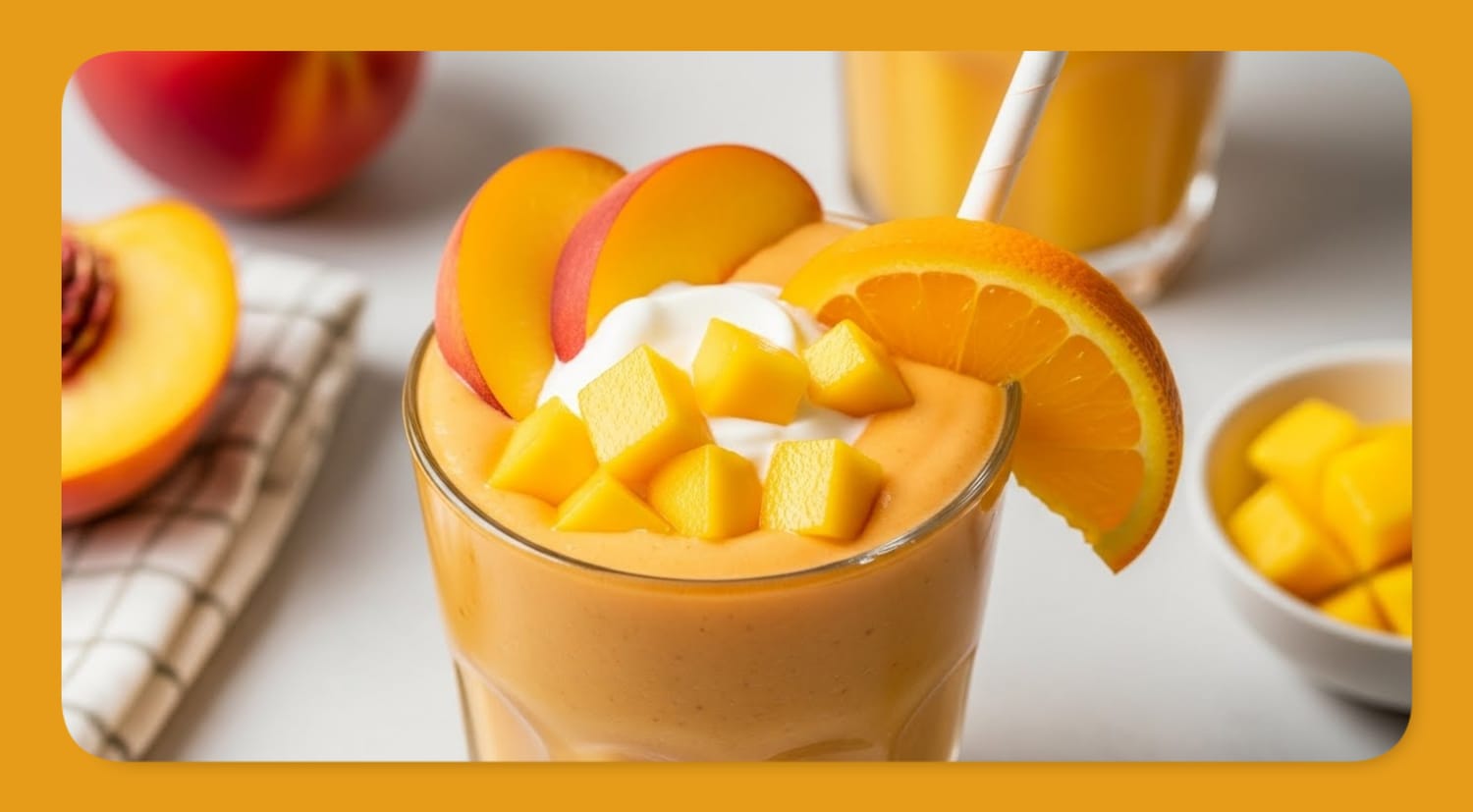
🍑 Creamy Peach Mango Smoothie: Summer Morning Bliss
The first sip delivers a wave of sunshine. Velvety peaches and tropical mango swirled with tangy Greek yogurt create a breakfast that tastes like vacation in a glass. This isn't your average fruit smoothie that leaves you hungry an hour later or tastes like watered-down juice. This is the smoothie that finally gets the balance right: naturally sweet without sugar overload, thick and satisfying without being heavy, and packed with protein to actually keep you full until lunch.
I developed this recipe after countless mornings grabbing expensive smoothies from juice bars, only to realize they were mostly ice and apple juice filler. The price tag stung, but worse, I'd be starving by 10 AM. This peach mango smoothie delivers everything those pricey versions promise but never quite achieve: restaurant-quality taste, real nutrition that sustains you, and a texture so perfectly creamy you'll think there's ice cream hidden inside. The secret? Frozen fruit for natural thickness, Greek yogurt for protein and tang, and just enough orange juice to brighten every sip without turning it into a sugar bomb.
Whether you're rushing out the door on a hectic weekday, need a post-workout refuel that doesn't taste like punishment, or want to give your family a breakfast they'll actually be excited about, this smoothie checks every box. It takes five minutes start to finish, requires just five simple ingredients you probably have on hand, and tastes so indulgent that kids beg for seconds, never realizing they're drinking a nutritional powerhouse. This is how healthy mornings should taste.
What Makes This Smoothie Special
Recipe Information
Base Ingredients
- 1 cup frozen peach slices (150g) - provides natural sweetness and creamy texture without ice crystals
- 1 cup frozen mango chunks (150g) - adds tropical flavor and vitamin C boost
- 1 cup plain Greek yogurt (240g) - delivers protein, probiotics, and tangy balance to the fruit sweetness
- 3/4 cup orange juice (180ml) - brightens flavors and provides vitamin C; use fresh-squeezed for best taste
- 1/2 cup ice cubes (optional) - for extra thickness and chill factor on hot mornings
Nutritional Boosters (Optional)
- 1 scoop vanilla protein powder - adds 15 to 20g protein for post-workout recovery
- 1 tablespoon ground flaxseed - omega-3s and fiber without affecting taste
- 1 tablespoon honey or maple syrup - only if your fruit isn't ripe enough
- 1/2 teaspoon fresh ginger, grated - anti-inflammatory boost with zippy flavor
- Handful of spinach - I promise you won't taste it, but you'll get the nutrients
Smoothie Bowl Toppings (Optional)
- Fresh peach slices
- Fresh mango cubes
- Coconut flakes (toasted for extra flavor)
- Granola or grain-free granola
- Chia seeds
- Sliced almonds
- Drizzle of honey
- Fresh mint leaves
Blending Instructions & Technique
A. Preparation
If you're using fresh (not frozen) peaches and mango, cut them into chunks and freeze for at least 2 hours or overnight. Frozen fruit is the secret to achieving that thick, creamy consistency without diluting your smoothie with ice. Let your Greek yogurt sit at room temperature for 5 minutes before blending if it's extremely cold. This helps everything blend more smoothly and prevents your blender from working overtime.
B. Blend Order & Layering
- Add liquid first: Pour the orange juice into your blender before anything else. This prevents the blades from jamming on frozen fruit and creates a vortex that pulls ingredients down for smoother blending.
- Add Greek yogurt next: Dollop the yogurt on top of the liquid. The yogurt acts as a buffer between the liquid and frozen fruit, helping create that signature creamy texture.
- Layer frozen fruit last: Add frozen peaches first, then mango chunks on top. Keeping the heaviest, hardest ingredients on top means they'll work their way down gradually as the blade catches them, rather than creating an air pocket at the bottom.
- Ice cubes on top (if using): This gives you the coldest, thickest result without diluting flavor.
C. Blending Technique
Start on low speed for 10 to 15 seconds to break down the frozen fruit. You'll hear the blender working hard, and that's normal. Use the tamper (if your blender has one) to push ingredients toward the blades. Gradually increase to high speed and blend for 45 to 60 seconds until completely smooth.
The motor sound should change from a labored rumble to a smooth, consistent hum. That's your audio cue that everything is properly blended. Stop and scrape down the sides once if needed. The final texture should coat the back of a spoon without dripping off immediately. Think soft-serve ice cream consistency, not milkshake.
Texture checkpoint: Dip a spoon in and let it drip. It should fall in thick ribbons, not watery streams. The color should be a vibrant peachy-orange, almost glowing. If you see any icy chunks or fruit pieces, blend for another 15 to 20 seconds.
D. For Smoothie Bowls - Creating the Perfect Base
Reduce orange juice to 1/2 cup (or even 1/4 cup) for a thicker consistency that holds toppings. Blend using the same technique but stop as soon as the mixture is smooth. The texture should be so thick that a spoon stands upright in the center. If it's too thick to blend, add orange juice one tablespoon at a time, pulsing between additions. Transfer to a chilled bowl immediately and arrange toppings in sections or artistic patterns.
E. Finishing & Serving
Pour immediately into chilled glasses for the best experience. The smoothie will start to separate and thin slightly after 10 to 15 minutes, so don't let it sit. For smoothie bowls, work quickly with toppings before the base starts to melt. If serving to kids, pour into fun cups with reusable straws. Presentation matters when you're trying to get picky eaters excited about healthy food.
Texture & Consistency Guide
For Drinkable Smoothies
Too Thin? Add: 1/4 cup more frozen mango or peaches, 3 to 4 ice cubes, 2 tablespoons Greek yogurt, or 1/4 ripe avocado for creaminess without affecting the peachy-mango flavor.
Too Thick? Add: 2 tablespoons orange juice or coconut water at a time, or use plain water if you want to reduce sugar. Blend for 10 seconds after each addition until you reach your ideal consistency.
Separated or Foamy? This happens if you over-blend. Simply stir vigorously or pulse for 5 seconds to re-incorporate. A little separation in the fridge is normal. Just shake before drinking.
For Smoothie Bowls
Perfect Bowl Consistency: Should be thick enough that toppings don't immediately sink. Think frozen yogurt texture. You should be able to drag your spoon through and see the trail it leaves.
Secret: Use minimal liquid (start with just 1/4 cup) and maximize frozen ingredients. Add more liquid only if your blender genuinely can't process the mixture.
Test: Insert a spoon vertically into the center. It should stand upright for at least 3 to 5 seconds before slowly tilting. If it immediately falls over, add more frozen fruit.
Ideal Consistency Indicators:
- Drinkable: Flows through a reusable straw with light suction but has enough body that you taste it, not just water with fruit flavor. Should leave a light coating on the inside of your glass.
- Bowl: Holds its shape when scooped and supports toppings without them sinking. When you drag a spoon across the surface, you should see the bowl underneath, not have it immediately fill back in with liquid.
Customization Matrix
🥛 Liquid Base Options
Dairy Options:
- Whole milk (creamier, richer)
- 2% milk (lighter but still creamy)
- Kefir (adds probiotics and tangy flavor)
- Half orange juice, half milk (my personal favorite combo)
Non-Dairy Options:
- Almond milk (lighter, nutty undertones)
- Coconut milk (tropical, creamy)
- Oat milk (neutral, creamy, naturally sweet)
- Cashew milk (ultra-creamy, mild flavor)
Light Options:
- Coconut water (hydrating, subtle sweetness)
- Plain water + squeeze of lemon
- Green tea, cooled (antioxidant boost)
💪 Protein Boosters
Plant-Based:
- Vanilla protein powder (15 to 25g protein per scoop)
- Hemp hearts (3g protein per tablespoon, nutty flavor)
- Almond butter (2 tablespoons = 7g protein, adds richness)
- Silken tofu (1/4 cup = 5g protein, completely neutral taste)
Dairy-Based:
- Cottage cheese (1/4 cup = 7g protein, blends surprisingly smooth)
- Extra Greek yogurt (increases to 20g+ protein per serving)
- Whole milk instead of orange juice (adds 8g protein per cup)
🍯 Natural Sweeteners (If Needed)
- 2 to 3 Medjool dates, pitted (caramel-like sweetness, fiber bonus)
- 1 tablespoon honey (floral notes work beautifully with peach)
- 1 tablespoon maple syrup (subtle depth)
- 1/2 frozen banana (adds sweetness and creaminess)
- Extra mango (mango is sweeter than peach, so adjust ratio)
🥑 Thickness Enhancers
- 1/2 frozen banana (classic smoothie thickener, neutral flavor)
- 1/4 ripe avocado (healthy fats, no avocado taste)
- 1/4 cup rolled oats (fiber, makes it more filling)
- 1/4 cup frozen cauliflower (invisible vegetable, pure thickness)
- 2 tablespoons chia seeds (let sit 5 minutes after blending)
🌿 Nutrient Boosters
Greens (Won't Taste Them):
- 1 cup fresh spinach (iron, vitamins, totally masked by fruit)
- 1/2 cup frozen zucchini (vegetables your kids won't detect)
- 1/2 cup kale (more nutrients, slightly earthier)
Superfoods:
- 1 teaspoon turmeric powder (anti-inflammatory, gives golden color)
- 1 tablespoon acai powder (antioxidants)
- 1 teaspoon maca powder (energy boost, malty flavor)
- 1 tablespoon collagen peptides (skin and joint health, flavorless)
🥜 Healthy Fats
- 2 tablespoons nut butter (almond or cashew work best with this flavor)
- 1 tablespoon coconut oil (MCT energy, tropical vibe)
- 1 tablespoon ground flaxseed (omega-3s, fiber)
Chef's Tips for Success
Blender Power Matters, But Isn't Everything: High-speed blenders (Vitamix, Blendtec) make this effortless and silky-smooth in 30 seconds. Regular blenders work perfectly fine. Just cut frozen fruit into smaller chunks, let it sit for 2 to 3 minutes to slightly thaw, and blend a bit longer. The texture might be slightly less velvety, but it'll still taste amazing.
Freeze Fruit Like a Pro: Don't freeze peaches and mango in one giant clump in a bag. You'll break your blender. Spread cut fruit in a single layer on a parchment-lined baking sheet, freeze for 2 hours until solid, then transfer to freezer bags. This prevents clumping and makes it easy to pour out exactly what you need without wrestling with frozen fruit chunks.
The Ripeness Rule: Use the ripest, sweetest fruit you can find. Under-ripe peaches and mango taste bland and require extra sweetener, defeating the whole "naturally sweet" benefit. If your fruit isn't perfectly ripe, roast it at 400°F for 15 minutes to concentrate the sugars, then freeze.
Make-Ahead Smoothie Packs Are Life-Changing: On Sunday, portion 1 cup frozen peaches and 1 cup frozen mango into individual freezer bags. Label with "Peach Mango Smoothie + 3/4 cup OJ + 1/2 cup yogurt." On busy mornings, dump the bag contents in your blender, add liquids, blend, and you're out the door in 2 minutes. These packs last 3 months in the freezer.
Greek Yogurt Quality Matters: Use full-fat or 2% Greek yogurt for the creamiest texture. Non-fat versions work but create a slightly thinner, less luxurious mouthfeel. Skip yogurt with added flavors or sugars. The fruit provides all the sweetness you need, and vanilla flavoring tastes artificial against the fresh fruit.
Nutritional Benefits Section
This isn't just a delicious breakfast. It's genuinely nutritious fuel that outperforms most quick breakfast options by a landslide. Compare this smoothie's 240 calories and 15g protein to a typical store-bought smoothie (350+ calories, 60g+ sugar, only 3 to 5g protein) or a sugary coffee drink (400+ calories, 50g+ sugar, zero protein), and the difference is striking. This smoothie delivers real nutrition your body can use, not just empty calories that spike your blood sugar and leave you crashed and hungry.
Macro Breakdown
| Nutrient | Amount |
|---|---|
| Calories | ~240 per serving |
| Protein | 15g (30% of calories, excellent for breakfast) |
| Carbs | 42g (with 4 to 5g fiber = 37g net carbs) |
| Fats | 2g (add nut butter or avocado for more healthy fats) |
| Sugar | 35g (all naturally occurring from fruit, no added sugars) |
Specific Health Benefits
💪 High Protein for Sustained Energy
Each serving contains 15g of complete protein from Greek yogurt (compared to just 2 to 3g in typical fruit smoothies), which keeps you full for 3 to 4 hours, stabilizes blood sugar to prevent mid-morning crashes, and provides the amino acids your muscles need post-workout. This isn't a snack. It's a legitimate meal.
🍊 Vitamin C Powerhouse
One serving delivers over 100% of your daily vitamin C needs from the combination of mango, peaches, and orange juice. Vitamin C supports immune function, acts as a powerful antioxidant fighting free radical damage, and is essential for collagen production that keeps your skin glowing and youthful.
🦠 Probiotics for Digestive Health
Live active cultures in Greek yogurt support your gut microbiome, improve digestion, and may even boost mood (your gut-brain connection is real). This is especially beneficial if you struggle with digestive issues or take antibiotics that disrupt healthy gut bacteria.
🌾 Fiber for Lasting Fullness
With 4 to 5g of fiber per serving (8 to 10g if you add boosters like flaxseed or oats), this smoothie slows sugar absorption, preventing the blood sugar rollercoaster that leaves you irritable and reaching for more sugar an hour later. Fiber also supports digestive health and helps you feel satisfied longer.
⚡ Natural Electrolytes
Peaches and orange juice provide potassium and natural electrolytes that support hydration. This makes the smoothie an excellent post-workout recovery option that tastes like a treat, not a sports drink.
🥕 Beta-Carotene and Antioxidants
The golden-orange color comes from beta-carotene, which your body converts to vitamin A for eye health, immune function, and skin protection. Antioxidants from the fruit fight inflammation and oxidative stress linked to chronic diseases.
Why This Nutritional Profile Matters
This macro breakdown creates the ideal breakfast profile for sustained energy and satiety. The combination of protein and fiber means your blood sugar stays stable (no 10 AM crash), you stay full until lunch without needing constant snacking, and you're consuming real nutrition, not just empty calories. For weight management, this smoothie works because it's genuinely satisfying at reasonable calories. For muscle building or active lifestyles, the protein supports recovery. For families, it's an easy way to pack serious nutrition into something kids think is a treat. This is the sweet spot where health goals and delicious taste actually align.
Best Blender Types & Equipment
High-Speed Blenders (Ideal)
Vitamix, Blendtec, Ninja Professional: These are the gold standard for smoothie making. They pulverize frozen fruit into silk in 30 seconds, handle daily use without burning out, and create the smoothest possible texture with zero chunks or graininess. The tamper tool is crucial for thick smoothie bowls.
Best for: Daily smoothie makers, anyone who wants cafe-quality results, smoothie bowl enthusiasts, and those who'll use it for nut butters and soups too. Worth the investment if smoothies are part of your routine.
Price range: $200 to $600
Standard Blenders (Works Great)
Most Kitchen Blenders (Hamilton Beach, Oster, KitchenAid): Your regular blender handles this recipe beautifully. You'll just need to cut frozen fruit slightly smaller and add liquid first to prevent jamming. Blend for an extra 15 to 30 seconds to get smooth texture.
Best for: Occasional smoothie makers, those on a budget, people with limited counter space. If you already own one, try it before upgrading.
Personal/Bullet Blenders (Convenient)
NutriBullet, Magic Bullet, Ninja Personal: Perfect for single-serve smoothies when you're the only one drinking them. The compact size makes storage and cleaning effortless. The personal cup with a lid becomes your drinking container. One less dish.
Best for: Singles, small kitchens, morning rushed routines, people who hate cleaning big blenders. Less effective for smoothie bowls (not thick enough).
No Blender? Alternatives
Immersion Blender: Works for this recipe only if you use fresh (not frozen) fruit. Blend in a tall, narrow container like a mason jar. Texture won't be as perfectly smooth, but it's drinkable. Not recommended for smoothie bowls.
Food Processor: Can work in a pinch for smoothie bowls (the thick consistency is actually easier for food processors). Don't expect silky-smooth texture. It'll be more rustic. Add frozen fruit first, pulse until chopped, then add liquids gradually with the motor running.
Other Helpful Tools
- Reusable Stainless Steel or Silicone Straws: Essential for thick smoothies. Regular straws collapse or get clogged. Wide-bore smoothie straws make drinking enjoyable, not a workout.
- 16 to 20oz Mason Jars with Lids: Perfect for storage, portion control, and on-the-go convenience. They're also Instagram-worthy, which matters for Pinterest content.
- Ice Cube Trays: Freeze leftover smoothie in ice cube trays, then blend the cubes with a splash of liquid for a quick smoothie redo. Also great for freezing leftover orange juice in perfect portions.
- Flexible Spatula: Get every last bit of smoothie out of your blender. This stuff is too delicious to waste.
Storage, Prep & Serving
Immediate Serving
This smoothie is at its absolute best within 15 minutes of blending. The texture is at peak creaminess, the color is vibrant peachy-orange, and the nutrients (especially vitamin C) are most potent. Serve in a chilled glass for drinkable smoothies. The cold glass keeps everything frosty longer. Use a chilled bowl for smoothie bowls, and work quickly with toppings before the base starts to melt.
Short-Term Storage
Refrigerator: Store in an airtight container or mason jar with a tight lid for up to 24 hours. Separation is completely normal. The liquid and solids naturally separate as the smoothie sits. Shake vigorously for 10 to 15 seconds before drinking, or give it a quick 10-second re-blend. Note that the color will oxidize slightly (turning from bright orange to a duller peachy-tan), and the texture becomes thinner and less creamy. The taste remains good; it's just not quite as Instagram-perfect.
Make-Ahead Smoothie Packs
This is the ultimate game-changer for busy mornings. Portion out 1 cup frozen peaches and 1 cup frozen mango into gallon-size freezer bags. Label each bag clearly: "Peach Mango Smoothie - Add 3/4 cup orange juice + 1/2 cup Greek yogurt." Store flat in your freezer for up to 3 months. They stack beautifully and take up minimal space.
Morning routine becomes: Dump bag contents into blender, add orange juice and Greek yogurt from fridge, blend for 60 seconds, done. You've just turned a 5-minute task into a 2-minute task, and you've eliminated the decision fatigue of "what should I make for breakfast?"
Freezing Finished Smoothies
Pour leftover smoothie into ice cube trays or small freezer-safe containers. Freeze for up to 1 month. To reconstitute, either thaw in the fridge overnight (it'll be separated, so shake well), or add frozen smoothie cubes to your blender with a splash of orange juice or milk and re-blend. This creates a smoothie bowl-like consistency that's actually thicker and creamier than the original.
Creative use: Blend frozen smoothie cubes with just a tablespoon of liquid for an instant "nice cream" (healthy soft-serve). Kids love this as an after-school treat.
Meal Prep Benefits
Time savings: Eliminates 10+ minutes every single morning. That's over an hour per week you gain back for sleep, workout, or actual sit-down breakfast.
Reduce food waste: You'll use up all those peaches and mango before they go bad. Frozen fruit packs last months, so no more discovering moldy produce in your crisper drawer.
Consistency: You always have a healthy option ready, eliminating the temptation to grab fast food or skip breakfast when you're running late. This is how healthy habits actually stick. By making them easier than the unhealthy alternative.
Budget-friendly: Buying fruit in bulk when it's on sale and portioning it yourself costs about $1.50 to $2 per smoothie vs. $7 to $10 at juice bars. Over a month, that's $120+ in savings.
Serving Suggestions & Occasions
Best Times to Enjoy
Breakfast On-the-Go: Pour into a travel cup and drink during your commute. The protein keeps you full through morning meetings without needing a mid-morning snack break.
Post-Workout Recovery: The natural sugars replenish glycogen stores, protein supports muscle repair, and vitamin C reduces exercise-induced oxidative stress. Drink within 30 to 45 minutes after your workout for optimal recovery.
Afternoon Energy Boost: Skip the 3 PM coffee (and subsequent caffeine crash) for this naturally energizing smoothie. The fruit sugars provide quick energy while protein prevents crashes.
Healthy Dessert Alternative: Craving something sweet after dinner? This satisfies sweet tooth without the guilt, sugar overload, or digestive issues that come with heavy desserts. Feels indulgent but won't keep you up at night.
Kid-Friendly After-School Snack: Children love the tropical taste and fun color. They're getting serious nutrition (protein, vitamins, fruit) without realizing it's "healthy food." Serve with a fun straw for maximum excitement.
Perfect Pairings
- With Whole-Grain Toast: Add avocado toast or peanut butter toast for a more complete breakfast with healthy fats and additional fiber. This combination keeps you full for 4 to 5 hours.
- With a Protein Muffin or Hard-Boiled Eggs: If the smoothie alone doesn't quite fill you up, add a protein source on the side. This is ideal for very active individuals or those with higher caloric needs.
- With a Handful of Nuts: Almonds, walnuts, or cashews add crunch, healthy fats, and additional protein. This turns the smoothie from a light breakfast into a substantial meal.
- As a Meal Replacement: This smoothie works as a complete meal replacement if you add protein powder (bringing it to 25 to 30g protein total), a tablespoon of nut butter for healthy fats, and perhaps some oats for additional fiber. This creates the macro balance needed for true meal replacement.
Make It a Complete Meal
Add Protein Powder or Extra Greek Yogurt: Aim for 20 to 25g+ total protein to qualify as a complete meal. Use vanilla protein powder to complement the peachy-mango flavor.
Include Healthy Fats: Add 1/4 avocado, 2 tablespoons almond butter, or 1 tablespoon ground flaxseed. Healthy fats slow digestion, keeping you full longer and helping your body absorb fat-soluble vitamins from the fruit.
Use a Filling Base: Add 1/4 cup rolled oats, 1/4 cup frozen cauliflower, or 1/2 frozen banana to increase volume and fiber. This adds substance without dramatically increasing calories.
For Smoothie Bowls: Top with granola (adds crunch, fiber, and makes it feel like a "real meal"), fresh fruit (visual appeal and additional nutrients), and nut butter drizzle (healthy fats and extra protein). This combination creates a balanced meal with carbs, protein, fats, and fiber.
Final Thoughts
This Creamy Peach Mango Smoothie proves that healthy eating doesn't require sacrifice. It requires better recipes. You're not compromising on taste to get nutrition, and you're not spending 30 minutes in the kitchen to eat something healthy. This is the rare breakfast that delivers on every promise: it tastes like a tropical vacation, provides genuine sustenance that lasts for hours, takes less time than brewing coffee, and makes your body feel as good as your taste buds.
For busy parents, this is the breakfast that finally gets everyone out the door on time. No arguments, no negotiations, just blend and go. Kids think it's a treat; you know it's packed with protein, vitamins, and real fruit. For health-conscious individuals juggling demanding schedules, this is the meal that doesn't require you to choose between convenience and nutrition. You can genuinely have both. The make-ahead smoothie packs mean healthy eating is always the easiest option, even on your most chaotic mornings.
The customization options ensure this recipe grows with your needs. Add more protein after workouts, sneak in greens for extra nutrients, swap dairy for plant-based alternatives, adjust thickness for bowls or drinks. Make it your own. Your mornings just got easier, healthier, and infinitely more delicious. Welcome to the smoothie that actually lives up to the hype.
Now it's your turn to experience the difference. Blend this up tomorrow morning, and I guarantee you'll be adding peaches and mango to your grocery list for the foreseeable future. This isn't just another smoothie recipe you'll try once. This becomes part of your routine because it's that good.
FAQ Section
Glossary of Key Terms
Share Your Success!
What's your go-to morning smoothie routine? Are you team "blend and rush out the door" or do you prefer sitting down with a smoothie bowl? I'm genuinely curious. There's no wrong answer, just different rhythms that work for different lives.
Did you try any creative topping combinations on your smoothie bowl? The visual possibilities are endless with this gorgeous golden-orange base. I'd love to see how you made it your own. And if you discovered a customization that works perfectly for your family (maybe you snuck in spinach that the kids didn't notice, or found the perfect protein powder combo), share that wisdom in the comments below! We're all figuring this out together.
Save this recipe to your Pinterest smoothie board so you can find it again when you need breakfast inspiration! Seriously, there's nothing worse than finding the perfect recipe and then losing it in the internet void. Pin it now, thank yourself later.
Follow my Pinterest for more healthy smoothie recipes, meal prep ideas, and family-friendly nutrition tips! I'm constantly testing new combinations and sharing what actually works in real kitchens with real time constraints.
I'd genuinely love to hear how this turned out for you. Drop a comment below. Did it become your new breakfast staple? Did your kids ask for seconds? Did you make any swaps that worked brilliantly? Your feedback helps me create better recipes and helps other readers troubleshoot. We're building a community of people who believe healthy eating should taste this good.
Tag me in your smoothie photos. I feature my favorites and celebrate everyone who's prioritizing their health one delicious sip at a time. Let's make mornings better together!
More Delicious Smoothies to Try
Affiliate Disclosure
This page may contain affiliate links. This means that if you click on one of these links and make a purchase, I may receive a small commission at no additional cost to you. This helps support the blog and allows me to continue creating free content. I only recommend products or services that I use personally and believe will add value to my readers. Your support is appreciated!
Created with ©simplyhealthynews