
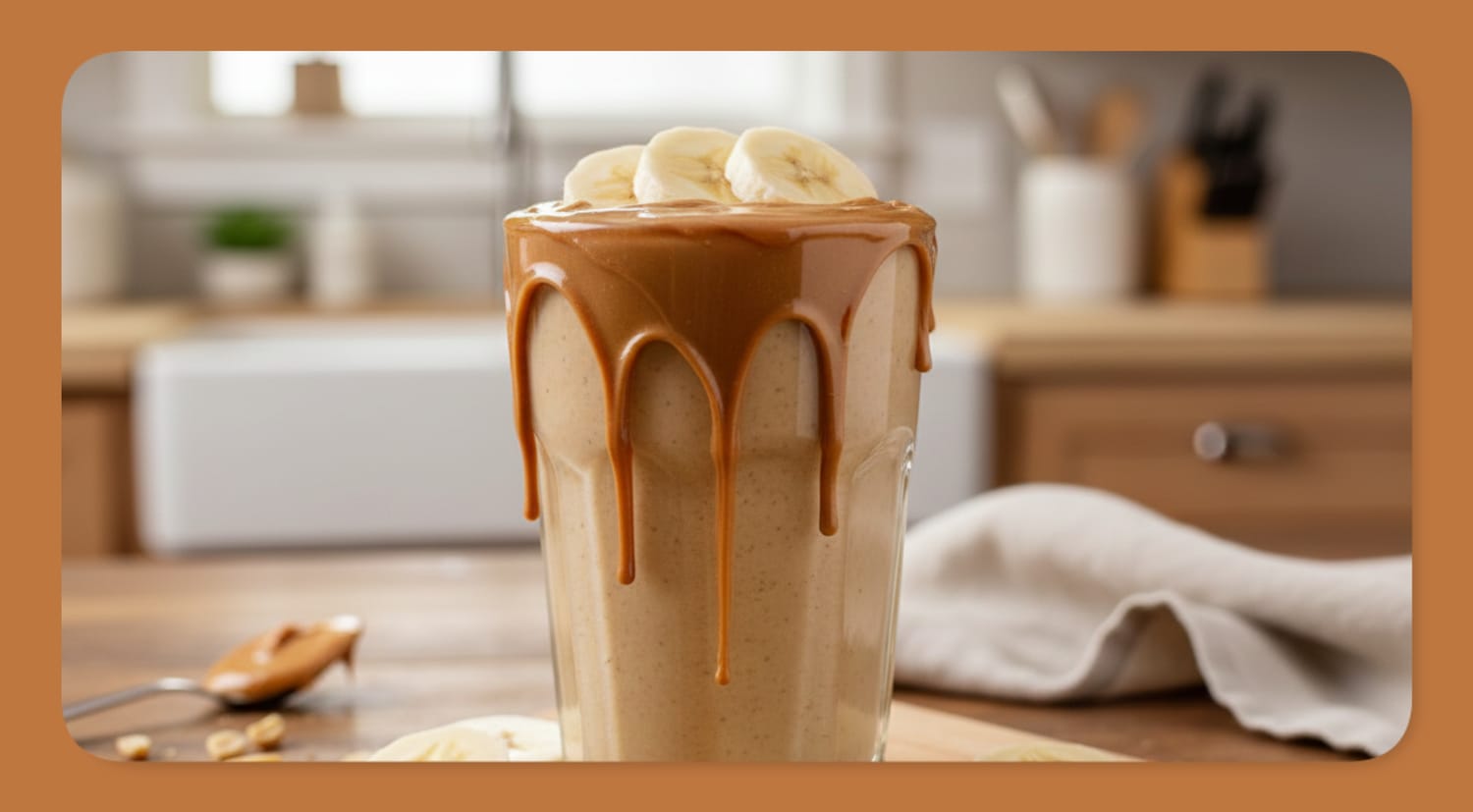
Protein-Packed Peanut Butter Banana Smoothie: Stay Full Until Lunch
The rich, creamy swirl of peanut butter blends with sweet banana into the kind of smoothie that actually keeps you satisfied. No mid-morning snack attacks. No 10am energy crash. Just smooth, nutty goodness that tastes like a milkshake but fuels your body like a proper meal.
We've all been there—you blend up a fruit smoothie, feel virtuous for about an hour, then find yourself raiding the snack drawer before lunch. The problem? Most smoothies are basically liquid sugar without enough protein or healthy fats to keep you full. This peanut butter banana smoothie solves that completely. With over 25 grams of protein and the staying power of nut butter, it's the difference between a snack and an actual breakfast replacement.
I developed this recipe after testing dozens of protein smoothie combinations that either tasted chalky, separated into weird layers, or required a million ingredients I'd never use again. This one uses five simple ingredients you probably already have, blends in under 5 minutes, and delivers the perfect balance of protein, carbs, and healthy fats. Whether you're rushing out the door to the gym, feeding hungry kids before school, or need a quick post-workout recovery drink, this smoothie handles it all without sacrificing taste.
What Makes This Smoothie Special
Seriously Satisfying Protein: With 26g of protein per serving from a combination of protein powder, peanut butter, and milk, this smoothie keeps you genuinely full for 4-5 hours. That's more protein than most restaurant breakfast entrees, delivered in 5 minutes.
Natural Peanut Butter Flavor: No artificial flavoring needed—real peanut butter creates that rich, nutty taste you're craving. The banana adds natural sweetness so you don't need any added sugars, while its creaminess makes the texture absolutely dreamy.
Perfect Thickness Balance: Not so thick you need a spoon, not so thin it feels like juice. This smoothie flows smoothly through a straw but has enough body to feel substantial. The frozen banana is the secret—it creates that cold, creamy, milkshake-like consistency without watering anything down.
Kid-Approved Nutrition: Tastes like a peanut butter treat, delivers breakfast-level nutrition. Picky eaters love the familiar peanut butter and banana combo, while you can feel good knowing they're getting quality protein, potassium, and healthy fats.
Budget-Friendly Ingredients: No exotic superfoods or expensive specialty items. Just everyday ingredients that cost less than a drive-through breakfast and deliver far better nutrition.
Recipe Details
Ingredients
Base Ingredients:
- 1 large banana, frozen (about 130g) - creates thick, creamy texture and natural sweetness
- 2 tablespoons natural peanut butter (32g) - adds protein, healthy fats, and rich flavor
- 1 scoop vanilla protein powder (30g, about 20-25g protein) - boosts protein without chalkiness
- 1 cup whole milk or unsweetened almond milk (240ml) - dairy provides extra protein, almond milk keeps it lighter
- 3-4 ice cubes (optional) - for extra thickness and colder temperature
- 1 teaspoon honey (optional) - if you prefer sweeter smoothies
Nutritional Boosters (Optional):
- 1 tablespoon ground flaxseed - adds omega-3s and fiber
- 1 tablespoon chia seeds - boosts fiber and thickness
- 1/4 cup rolled oats - increases fiber and makes it even more filling
- 1 tablespoon cacao powder - for chocolate peanut butter cup flavor
- 1/2 teaspoon cinnamon - adds warmth and may help regulate blood sugar
- Handful of spinach - adds vitamins without affecting peanut butter taste
Topping Ideas (if serving in a bowl):
- Sliced banana
- Granola or crushed peanuts
- Drizzle of extra peanut butter
- Dark chocolate chips
- Hemp hearts
Blending Instructions & Technique
A. Preparation
Before you start blending, make sure your banana is properly frozen. If you're working with a fresh banana, peel it, break it into chunks, and freeze for at least 2 hours or overnight. Frozen banana is essential for that thick, creamy milkshake texture—fresh banana makes the smoothie too thin and room temperature.
If you forgot to freeze your banana ahead of time, you can use a fresh banana but add 1/2 cup of ice cubes to compensate for thickness and temperature.
B. Blend Order & Layering
The order you add ingredients matters more than you'd think. Here's the optimal sequence:
- Add liquid first (milk) - This prevents the blender blades from jamming and ensures everything blends smoothly without air pockets.
- Add protein powder - Gets it mixing with the liquid immediately so it doesn't clump.
- Add peanut butter - This way it gets pulled down into the liquid rather than sticking to the sides.
- Add frozen banana chunks on top - The liquid underneath helps the blender grab the frozen pieces without straining the motor.
- Add ice cubes last (if using) - They'll break up easily once everything else is blended.
C. Blending Technique
Start your blender on the lowest speed for about 10 seconds to break up the frozen banana chunks. You'll hear the motor working harder initially—this is normal.
Gradually increase to medium-high speed and blend for 30-45 seconds. You'll know it's ready when the motor sound becomes smooth and consistent rather than choppy. The mixture should be moving freely in the blender with a visible vortex pulling ingredients down.
Stop and scrape down the sides if needed—peanut butter sometimes sticks to the walls of the blender. Give it one final 10-second blend on high speed.
The color should be a creamy tan or light beige, not streaky. If you see white streaks, blend for another 10 seconds until completely uniform.
Texture checkpoint: When you lift the blender lid, the smoothie should coat the back of a spoon and slowly drip off rather than running off immediately. Think soft-serve milkshake consistency.
Troubleshooting during blend:
- Too thick? Add 2 tablespoons of milk at a time and blend again. Don't add too much at once—you can always thin it out but can't easily thicken it back up.
- Too thin? Add a few more ice cubes or another 1/4 of a frozen banana.
- Peanut butter clumping? Blend on high for an extra 15 seconds. Natural peanut butter sometimes needs more blending time than conventional.
D. For Smoothie Bowls - Creating Thickness
If you want to eat this with a spoon instead of drinking it, reduce the milk to 1/2 cup (120ml) instead of 1 cup. The mixture will be much thicker—almost like soft-serve ice cream.
Blend using the same technique but expect it to take slightly longer (about 60 seconds total) since there's less liquid. You may need to stop and use a tamper or spatula to push ingredients down toward the blades.
The perfect bowl consistency means a spoon should stand upright in the middle without falling over.
E. Finishing & Serving
Give the smoothie one final stir with a spoon to check consistency. It should flow smoothly but have substantial body—not watery at all.
Pour immediately into a chilled glass if drinking, or into a bowl if eating with a spoon. The smoothie is best enjoyed right away while it's cold and the texture is perfect.
If making a smoothie bowl, arrange toppings in sections or rows for that Instagram-worthy look—granola on one side, banana slices in the middle, and a peanut butter drizzle over the top.
Texture & Consistency Guide
Getting the perfect texture is what separates a "just okay" smoothie from one you'll crave every morning. Here's how to nail it every time:
For Drinkable Smoothies:
Too Thin? Add:
- 1/4 of another frozen banana
- 2-3 more ice cubes
- 1 tablespoon oats (absorbs liquid and adds body)
- 1 tablespoon extra peanut butter (thickens and adds flavor)
Too Thick? Add:
- 2 tablespoons milk at a time (don't dump in 1/4 cup all at once)
- 1/4 cup coconut water for lighter option
- Regular water works too if you're watching calories
For Smoothie Bowls:
Perfect Bowl Consistency: Should be thick enough that toppings sit on top rather than sinking. Think frozen yogurt or soft-serve texture.
Secret: Use minimal liquid (start with 1/2 cup) and more frozen banana. You can always add more liquid, but you can't remove it.
Test: Insert a spoon vertically into the center. It should stand upright on its own without tipping over.
Ideal Consistency Indicators:
Drinkable: Flows through a wide straw smoothly but slowly. Has enough body that it coats your glass when you pour it. When you tip the glass, it moves like a milkshake, not like juice.
Bowl: Holds its shape when scooped with a spoon. Doesn't puddle or spread out when you pour it into the bowl. Toppings stay on the surface.
Universal sign of perfect texture: When you pull your spoon or straw out, the smoothie should cling to it briefly before slowly sliding off.
Customization Matrix
Make this smoothie work for your specific dietary needs, preferences, and what you have in the pantry:
Liquid Base Options:
| Type | Options | Best For |
|---|---|---|
| Dairy | Whole milk (extra creamy), 2% milk (balanced), skim milk (lighter), Greek yogurt thinned with water (protein boost) | Maximum creaminess and protein |
| Non-Dairy | Almond milk (light, nutty), oat milk (creamy, sweet), cashew milk (rich), soy milk (highest protein), coconut milk (tropical) | Dairy-free, vegan diets |
| Light | Coconut water (electrolytes), regular water (zero calories), cold brew coffee (caffeine boost) | Cutting calories, hydration |
Nut Butter Options:
- Peanut Butter: Classic flavor (use natural or conventional)
- Almond Butter: Milder, slightly sweeter
- Cashew Butter: Ultra-creamy, subtle flavor
- Sunflower Seed Butter: Nut-free option for allergies
- Powdered Peanut Butter (PB2): Lower fat/calories, mix 2 tablespoons powder with smoothie
Protein Boosters:
| Type | Amount | Protein Added | Notes |
|---|---|---|---|
| Protein Powder | 1 scoop (30g) | 20-25g | Vanilla or unflavored works best |
| Greek Yogurt | 1/2 cup (120g) | 10g | Adds tang and creaminess |
| Cottage Cheese | 1/4 cup (60g) | 7g | Sounds weird, tastes great blended |
| Hemp Hearts | 2 tablespoons | 6g | Adds omega-3s |
| Extra Peanut Butter | +1 tablespoon | 4g | Also adds calories and fat |
Natural Sweeteners (if needed):
- Medjool Dates: 1-2 pitted (caramel-like sweetness)
- Honey: 1 teaspoon (floral notes)
- Maple Syrup: 1 teaspoon (warm flavor)
- Ripe Banana: Use extra-spotty banana (naturally sweeter)
- Vanilla Extract: 1/2 teaspoon (enhances sweetness perception without sugar)
Thickness Enhancers:
- Frozen Banana: Use 1.5 bananas instead of 1
- Avocado: 1/4 avocado (adds creaminess, won't taste it)
- Frozen Cauliflower: 1/4 cup (zero flavor impact, adds thickness)
- Oats: 1/4 cup rolled oats (makes it heartier)
- Chia Seeds: 1 tablespoon (let sit 5 minutes to thicken)
Flavor Variations:
- Chocolate PB: Add 1 tablespoon cacao powder
- PB & J: Add 1/2 cup frozen strawberries or raspberries
- Elvis: Add 1 tablespoon cacao powder + 1/2 teaspoon cinnamon
- Banana Bread: Add 1/2 teaspoon cinnamon + 1/4 teaspoon nutmeg + 1/4 cup oats
- Coffee Boost: Replace 1/4 cup milk with cold brew coffee
Nutrient Boosters (won't affect taste):
- Spinach: Large handful (adds iron, vitamins)
- Flax Seeds: 1 tablespoon ground (omega-3s)
- Chia Seeds: 1 tablespoon (fiber, omega-3s)
- Collagen Peptides: 1 scoop (skin, joint health)
- Maca Powder: 1 teaspoon (energy, hormones)
Chef's Tips for Success
Banana freezing technique matters: Peel and break bananas into chunks before freezing them on a parchment-lined tray for 1-2 hours, then transfer to a freezer bag. This prevents them from sticking together in one giant frozen mass. Pre-broken chunks blend way faster than trying to break apart a whole frozen banana.
Natural peanut butter works better than conventional: The oils in natural peanut butter blend more smoothly and create a creamier texture. If you only have conventional (Jif, Skippy), it works fine—just expect a slightly different mouthfeel and more added sugar.
Don't skip the protein powder: Yes, peanut butter has protein, but you need the powder to hit that 25g+ target that actually keeps you full. Without it, you're looking at maybe 12-15g total, which won't sustain you until lunch. Choose a quality vanilla protein powder—it blends better than chocolate or unflavored options.
High-speed blenders work best, but any blender works: A Vitamix or Ninja will give you the smoothest texture in 30 seconds. A standard blender takes 60-90 seconds and may need you to stop and scrape the sides. A personal bullet blender works great for single servings—just don't fill past the max line.
Make-ahead smoothie packs save your mornings: Every Sunday, portion out frozen banana chunks, protein powder, and a scoop of peanut butter into individual freezer bags. Label with "add 1 cup milk." On busy mornings, dump the contents in your blender, add milk, blend, and you're out the door in 2 minutes.
Liquid amount is adjustable to your preference: Start with 3/4 cup milk if you like thicker smoothies, use 1.25 cups if you prefer thinner. The recipe gives you a middle-ground consistency, but there's no "wrong" answer—just personal preference.
Best consumed immediately but stores well for 24 hours: The texture and separation are best right after blending. If you need to store it, keep it in an airtight container in the fridge and shake vigorously before drinking. The color may darken slightly (banana oxidation), but it's still perfectly good.
Nutritional Benefits Section
This isn't just a tasty smoothie—it's genuinely nutritious fuel that supports your health goals. Here's what each serving delivers and why it matters:
Specific Health Benefits:
High Protein Content for sustained energy and muscle recovery. With 26g of protein per serving, this smoothie provides roughly the same protein as 3.5 eggs or a 4oz chicken breast. Unlike a bagel or muffin that spikes your blood sugar and leaves you hungry an hour later, this protein keeps your energy stable all morning.
Healthy Fats from Peanut Butter for brain function and nutrient absorption. The monounsaturated fats in peanut butter help your body absorb fat-soluble vitamins (A, D, E, K) and keep your brain sharp. These fats also slow digestion, which is why you stay full for hours instead of experiencing that mid-morning crash.
Potassium from Banana for muscle function and blood pressure regulation. One banana provides about 400mg of potassium (12% of daily needs)—especially important if you're active or working out. Potassium helps prevent muscle cramps and supports healthy blood pressure levels.
Natural Energy without Caffeine from balanced macronutrients. The combination of protein, healthy fats, and complex carbs (especially if you add oats) provides steady, sustained energy without the jitters or crash that comes from coffee drinks or energy drinks.
Digestive Support from Fiber keeps things moving and promotes gut health. Between the banana, peanut butter, and optional add-ins like flax or chia seeds, you're getting 4-6g of fiber per serving. That's 16-24% of daily needs in one smoothie.
Bone Health from Calcium if using dairy milk. One cup of whole milk provides about 300mg of calcium (30% of daily value), supporting bone density and strength—especially important for active individuals and anyone concerned about bone health.
Complete Macro Breakdown:
Comparison to Alternatives:
- vs. Store-bought protein smoothie: Saves $5-7 per serving, contains real ingredients instead of fillers and gums, fresh vs. pasteurized
- vs. Fast food breakfast sandwich: Similar protein (26g vs. 20-25g), but with healthier fats, more vitamins, and no processed meat
- vs. Typical fruit smoothie: Triple the protein (26g vs. 8-10g), which means you'll actually stay full instead of hungry again in 90 minutes
- vs. Coffee shop frozen drink: Half the sugar, 5x the protein, and costs 75% less
Why This Matters:
This nutritional profile makes this smoothie ideal whether you're trying to build muscle, lose weight, or simply eat healthier without sacrificing taste. The high protein and healthy fats keep you satisfied, which naturally reduces snacking and helps with weight management. The balanced macros support workout recovery and energy for busy days. And for parents, this is one of the easiest ways to get quality nutrition into kids who might otherwise skip breakfast or eat sugary cereal.
Bottom line: This tastes like a treat but fuels your body like a well-balanced meal.
Best Blender Types & Equipment
You don't need professional kitchen equipment to make an excellent smoothie, but the right tools definitely make it easier. Here's honest guidance on what works:
High-Speed Blenders (Ideal):
Vitamix, Blendtec, Ninja Professional (1000+ watts) - These powerhouse blenders pulverize frozen ingredients in 30 seconds with zero chunks. The smoothie comes out silky smooth every single time. The wide containers make it easy to scrape out every drop of that peanut butter goodness.
Best for: Daily smoothie makers, anyone making smoothies for multiple people, or if you want the absolute smoothest texture. Worth the investment if you blend 3+ times per week.
Price range: $250-$600
Standard Blenders (Works Great):
Most kitchen blenders with 500-700 watts - Your basic Oster, Hamilton Beach, or mid-range Ninja will handle this recipe perfectly well. The trick is to let frozen banana chunks thaw for 5 minutes on the counter before blending, and make sure to add liquid first. Blend for 60-90 seconds instead of 30.
Tip: Cut banana into smaller chunks before freezing. Pulse a few times to break up frozen pieces before switching to continuous blend.
Best for: Occasional smoothie makers, anyone on a budget, or if you're not sure you'll stick with the smoothie habit yet.
Price range: $30-$100
Personal/Bullet Blenders (Convenient):
NutriBullet, Magic Bullet, Ninja personal blenders - Perfect for making single-serving smoothies. The flip-and-drink cup design means less cleanup. Just note that these have smaller motors, so don't overpack past the max line or the motor can strain.
Tip: Use slightly less frozen banana (about 3/4 of a banana) so it's not too much for the smaller motor. Blend in 15-second intervals, shaking the cup between pulses to redistribute ingredients.
Best for: Solo smoothie drinkers, small kitchens, or if you want to blend and drink from the same container.
Price range: $40-$120
No Blender? Here Are Alternatives:
Immersion Blender: Works for this recipe if you skip the ice and let the frozen banana thaw for 10 minutes first. Blend in a tall, narrow container (wide-mouth mason jar works great). It won't be quite as smooth, but it's absolutely drinkable.
Food Processor: Can work in a pinch, though the texture won't be as smooth—more milkshake-chunky than silky. Process for 2-3 minutes, scraping down sides frequently.
Other Helpful Tools:
- Reusable Straws: Wide silicone or metal straws (at least 10mm diameter) work best for thick smoothies. Regular thin straws make you work too hard to sip.
- Mason Jars with Lids: Perfect for make-ahead prep or storing leftovers. 16oz (pint) or 24oz jars work well. Plus they're portable if you're taking your smoothie to work or the gym.
- Freezer Bags (quart-size): Essential if you're doing smoothie prep packs. Reusable silicone bags are even better for the environment.
- Ice Cube Trays: For freezing leftover smoothie into portion-controlled cubes you can blend with fresh milk later.
- Tamper (for high-speed blenders): If your Vitamix came with a tamper, use it! Helps push ingredients down toward the blades when making extra-thick smoothies.
Storage, Prep & Serving
One of the best things about this smoothie is how flexible it is. Whether you're drinking it immediately or prepping ahead, here's how to handle every scenario:
Immediate Serving (Best Option):
This smoothie is absolutely best consumed within 15 minutes of blending. The texture is perfect, the temperature is ideal, and all the flavors are at their peak. The frozen banana keeps everything cold without watering it down like ice would.
Serve in a chilled glass for drinkable smoothies—pop your glass in the freezer for 5 minutes while you prep ingredients. For smoothie bowls, use a chilled bowl to keep everything cold while you arrange toppings.
Pour slowly and watch that gorgeous creamy tan color swirl into your glass. Add a reusable straw and enjoy immediately.
Short-Term Storage (Up to 24 Hours):
Life happens, and sometimes you need to make your smoothie ahead. Store in an airtight container (mason jar with lid works perfectly) in the refrigerator for up to 24 hours.
What to expect: The smoothie will separate—that's completely normal. The liquid sinks to the bottom, and the thicker parts rise to the top. The color may darken slightly as the banana oxidizes (turns brownish), but this doesn't affect taste or nutrition.
Before drinking: Shake vigorously for 15-20 seconds or give it a quick 10-second re-blend. It won't be quite as thick as freshly blended, but it's still totally delicious and perfectly safe to drink.
Make-Ahead Smoothie Packs (Game-Changer):
This is honestly the best meal prep hack for busy mornings. Spend 15 minutes on Sunday prepping 5 smoothie packs for the week:
How to do it:
- Get 5 quart-size freezer bags or reusable silicone bags
- In each bag, add: 1 frozen banana (broken into chunks), 2 tablespoons peanut butter, 1 scoop protein powder
- Press out air, seal, and label: "PB Banana Smoothie - Add 1 cup milk"
- Freeze flat for up to 3 months
Morning routine: Dump one pack's contents into your blender, add 1 cup cold milk, blend 30-60 seconds, and go. Total time: 2 minutes from freezer to out the door.
Pro tip: Pre-measure protein powder into small containers or bags separately if you're worried about clumping. Some people prefer to keep the powder separate from wet ingredients.
Freezing Finished Smoothies:
If you accidentally made too much or want to prep even further ahead, you can freeze the finished smoothie:
Ice cube tray method: Pour leftover smoothie into ice cube trays. Once frozen, pop out cubes and store in a freezer bag for up to 1 month. In the morning, blend 6-8 cubes with 1/4 cup fresh milk for a quick smoothie.
Freezer bag method: Pour finished smoothie into a freezer-safe bag, press flat, and freeze for up to 1 month. Thaw in the fridge overnight, then shake well before drinking. Or break into chunks and re-blend with a splash of milk for a fresher texture.
Warning: Frozen and thawed smoothies will never have quite the same creamy texture as fresh, but they're great for "emergency breakfast" situations.
Meal Prep Benefits:
Making smoothie packs ahead saves you genuine time and stress:
- Saves 10-12 minutes on weekday mornings when every minute counts
- Reduces food waste from bananas that got too ripe or produce you forgot about
- Ensures you always have a healthy option ready, which means you're less likely to skip breakfast or grab fast food
- Removes decision fatigue on rushed mornings—no thinking required, just blend and go
- Keeps ingredients properly portioned so you're not guessing measurements when you're half-awake
The 15 minutes you spend prepping on the weekend literally buys you an hour of time during the week. Worth it.
Serving Suggestions & Occasions
This smoothie is incredibly versatile and fits into almost any part of your day. Here's when it shines:
Best Times to Enjoy:
Breakfast on-the-go: The absolute perfect grab-and-go breakfast when you're running out the door. Pour into a travel cup with a lid and sip on your commute. The protein and healthy fats keep you full and focused through morning meetings.
Post-workout recovery: Drink within 30-60 minutes after strength training or intense cardio. The protein supports muscle recovery, the carbs replenish glycogen stores, and the potassium helps prevent cramps. This is basically a natural protein shake that actually tastes good.
Afternoon energy boost: Skip the 3pm coffee or vending machine run. This smoothie provides sustained energy without caffeine jitters or sugar crashes. The protein keeps you alert and focused for the rest of your workday.
Healthy dessert alternative: Craving something sweet after dinner? This smoothie satisfies dessert cravings with the taste of a peanut butter milkshake but none of the guilt. The protein even helps stabilize blood sugar overnight.
Kid-friendly after-school snack: Kids love the peanut butter and banana flavor combination. They think they're getting a treat, while you know they're getting quality protein, vitamins, and energy for homework and activities.
Perfect Pairings:
With:
- Whole grain toast with avocado (adds extra fiber and healthy fats)
- Protein muffin or energy balls (makes it a more substantial meal)
- Handful of almonds or trail mix (additional protein and crunch)
- Hard-boiled eggs (if you need even more protein for muscle building)
As a meal replacement: This smoothie works as a complete meal replacement if your calorie and protein needs align. At 425 calories and 26g protein, it's substantial enough for most people's breakfast or lunch. If you're very active or have higher calorie needs, pair it with toast or a protein bar.
For smoothie bowls: Pour into a bowl and top with granola, sliced banana, hemp hearts, and a drizzle of extra peanut butter. This turns it into a complete breakfast bowl that feels more like a meal than a drink. The toppings add texture, extra nutrients, and make it more filling.
Make It a Complete Meal:
If you want to turn this into an even more substantial meal:
- Add protein powder (if not already using it): Gets you to 30g+ protein, which is ideal for muscle building and maximum satiety.
- Include healthy fats: If you didn't add flax or chia seeds, consider them. Or drizzle extra peanut butter on top if serving in a bowl. Healthy fats slow digestion and keep you full longer.
- Use a more substantial base: Add 1/4 cup oats to the smoothie before blending. This adds complex carbs, fiber, and makes the texture heartier. You'll feel like you ate a full bowl of oatmeal.
- Pair with fiber: If you're drinking this for breakfast, consider having a piece of fruit on the side (apple, orange, berries) to increase fiber intake even more.
Final Thoughts
This Protein-Packed Peanut Butter Banana Smoothie is proof that healthy breakfast doesn't have to be complicated, time-consuming, or taste like cardboard. With just five simple ingredients and five minutes, you're looking at a genuinely satisfying meal that delivers on every level—taste, nutrition, convenience, and staying power.
For busy parents rushing to get everyone fed and out the door, this is your new secret weapon. It takes less time than making scrambled eggs and delivers better nutrition than most drive-through options. Kids genuinely love the peanut butter and banana flavor, while you can feel good knowing they're starting their day with quality protein and nutrients. Make the smoothie packs on Sunday, and you've got grab-and-go breakfasts ready all week.
For fitness enthusiasts and health-conscious individuals, this smoothie checks every box. The 26g of protein supports your training and keeps you full through intense morning workouts. The balanced macros provide sustained energy without the crash. And unlike chalky protein shakes or bland "health food," this actually tastes like something you'd crave. Your mornings just got easier AND healthier.
The customization options mean you can make this smoothie work for any dietary preference or whatever you have in your kitchen. Dairy-free? Use almond milk. Need more protein? Add Greek yogurt. Want chocolate? Throw in some cacao powder. The base recipe is fantastic, and the variations are endless.
Save this recipe to your Pinterest smoothie board so you can find it on those hectic mornings when you need breakfast fast. Make a batch of smoothie packs this weekend and see how much easier your weekday mornings become. This isn't just another smoothie recipe—it's the breakfast solution you've been looking for.
FAQ Section
Can I use fresh banana instead of frozen?
Yes, but you'll need to compensate for the lack of thickness and cold temperature. Use a fresh banana plus 1/2 to 3/4 cup of ice cubes. The texture won't be quite as creamy since ice adds water content when it melts, whereas frozen banana adds creaminess. If possible, peel and freeze banana chunks for at least 2 hours before making your smoothie for the best results.
What's the best dairy-free milk alternative?
Oat milk is the closest to dairy milk in terms of creaminess and natural sweetness, making it the top choice for this smoothie. Soy milk has the most protein among non-dairy options (7-8g per cup). Almond milk is lighter and lower in calories but also thinner in texture. Cashew milk provides a naturally creamy, slightly sweet option that complements the peanut butter beautifully. Avoid rice milk or very thin alternatives—they'll make your smoothie too watery.
Can I make this without protein powder?
Absolutely. You'll reduce the protein content from 26g down to about 12-15g per serving, which might not keep you as full for as long, but the smoothie is still delicious. To increase protein without powder, add 1/2 cup Greek yogurt (10g protein), an extra tablespoon of peanut butter (4g protein), or 2 tablespoons hemp hearts (6g protein). You could also use cottage cheese (1/4 cup adds 7g protein) which blends surprisingly smooth and doesn't affect the peanut butter flavor.
Why is my smoothie too watery?
The most common culprit is using fresh banana instead of frozen, or adding too much liquid at once. Fix it by adding more frozen banana chunks (1/4 to 1/2 banana), a handful of ice cubes, or 1-2 tablespoons of oats which will absorb excess liquid. Next time, start with 3/4 cup milk instead of a full cup and add more only if needed. Remember: you can always thin a smoothie, but thickening it back up is harder.
How do I make it thicker without adding calories?
Use frozen cauliflower rice—sounds weird, tastes like nothing. Add 1/4 to 1/2 cup frozen cauliflower to your smoothie and it'll thicken beautifully without affecting flavor or adding significant calories (only about 15 calories per 1/2 cup). Other low-calorie thickeners include ice cubes, frozen zucchini chunks, or using less liquid from the start. Xanthan gum (1/8 teaspoon) also works if you have it, creating thickness without any calories.
My smoothie separated in the fridge—is it still good?
Yes, completely safe to drink! Separation is totally normal when smoothies sit. The heavier ingredients (liquid, protein) settle to the bottom while lighter ingredients (banana, air bubbles) rise to the top. Just shake vigorously for 15-20 seconds or give it a quick 10-second re-blend. The flavor and nutrition are unchanged. The color might look slightly darker due to banana oxidation, but that's just cosmetic—still perfectly good.
How can I make this vegan and dairy-free?
Super easy. Replace the milk with any non-dairy milk (almond, oat, soy, cashew, or coconut milk). Use a plant-based protein powder instead of whey (pea protein, hemp protein, or brown rice protein all work). Make sure your peanut butter is just peanuts and salt with no added honey. That's it—the banana is already plant-based, so you're good to go. The taste and texture remain virtually identical.
Can I reduce the sugar or calories?
The 28g of sugar in this smoothie comes entirely from natural sources (banana and milk lactose)—there's zero added sugar. To reduce it further, use unsweetened almond milk instead of regular milk (saves about 12g sugar and 60 calories). Use a smaller banana or only 3/4 of one (saves about 15g sugar and 60 calories). Skip the optional honey. You could also use powdered peanut butter (PB2) instead of regular peanut butter to save about 100 calories, though you'll lose some of the healthy fats.
Do I need a high-speed blender?
No, but it helps. A standard blender (like a basic Hamilton Beach or Oster) works fine for this recipe—just let your frozen banana chunks thaw on the counter for 5 minutes first, and blend for 60-90 seconds instead of 30 seconds. Cut your banana into smaller chunks before freezing. Start with liquid first and blend in intervals if needed. The texture might not be quite as silky-smooth as a Vitamix, but it'll still be delicious and totally drinkable.
Can I make this the night before?
You can, though it's best fresh. If making the night before, blend and store in an airtight container in the fridge. Expect separation and slight color darkening (banana oxidation). Shake well or re-blend for 10 seconds before drinking. The texture won't be quite as thick and creamy, but it's still good. For better results, prep a smoothie pack (all ingredients except liquid in a freezer bag) the night before, then blend fresh in the morning—takes only 2 minutes and tastes much better.
Glossary of Key Terms
Base Liquid: The liquid foundation of your smoothie (milk, non-dairy milk, water, or juice) that determines the final consistency and how easily ingredients blend. Too little liquid makes blending difficult; too much makes smoothies watery. Start with less and add more as needed.
Frozen Banana: Banana that's been peeled, broken into chunks, and frozen until solid. This is the secret to thick, creamy smoothies without ice cream. Frozen banana creates a milkshake-like texture and keeps smoothies cold without watering them down like ice cubes do. Essential for smoothie bowls.
Greek Yogurt: Thick, strained yogurt with double the protein of regular yogurt (about 10g per 1/2 cup). Adds creaminess, a slight tang, and boosts protein content significantly. Use plain, unsweetened Greek yogurt for smoothies to avoid added sugars.
High-Speed Blender: Professional-grade blender with 1000+ watts of power (like Vitamix, Blendtec, or Ninja Professional) that pulverizes frozen ingredients into silky-smooth consistency in 30 seconds. Not necessary but makes smoothie-making significantly easier and creates the smoothest texture.
Macro Breakdown: Short for macronutrient breakdown—the amounts of protein, carbohydrates, and fats in a food or recipe. Understanding macros helps you balance meals for your specific health goals, whether that's muscle building, weight loss, or sustained energy.
Natural Peanut Butter: Peanut butter made from just peanuts and salt, without added sugars, oils, or hydrogenated fats. The oil separates on top and needs stirring. Blends more smoothly in smoothies than conventional peanut butter and has a more authentic peanut flavor without unnecessary additives.
Protein Powder: Concentrated protein supplement available in various types (whey, plant-based, collagen) that boosts the protein content of smoothies without adding bulk. One scoop typically provides 20-25g of protein. Vanilla and unflavored varieties work best in most smoothie recipes.
Smoothie Bowl: A thick smoothie eaten with a spoon rather than drunk through a straw, typically topped with granola, fresh fruit, nuts, seeds, and other toppings. Requires less liquid and more frozen ingredients to achieve a soft-serve consistency that holds toppings on the surface.
Smoothie Pack: Pre-portioned freezer bag containing all dry and frozen smoothie ingredients (except liquid) for quick morning preparation. Simply dump the pack contents into your blender, add liquid, blend, and go. Makes weekday mornings effortless and ensures you always have healthy options ready.
Soft-Serve Consistency: The ideal thickness for smoothie bowls—thick enough that a spoon stands upright in the mixture without falling over, similar to soft-serve ice cream. Achieved by using minimal liquid and maximum frozen ingredients.
Sustained Energy: Long-lasting energy that remains stable for hours, created by balanced macronutrients (protein, healthy fats, complex carbs) rather than quick-burning simple sugars. Prevents the blood sugar spike-and-crash cycle that leaves you hungry and tired shortly after eating.
Tamper: A long plastic tool that comes with some high-speed blenders (like Vitamix) used to push ingredients down toward the blades while blending. Especially helpful when making thick smoothie bowls or nut butters. The tamper is designed to never touch the blades even when pushed all the way down.
Share Your Success!
What's your go-to morning smoothie routine? Has this peanut butter banana combo become part of your breakfast ritual yet? I'd genuinely love to hear how this recipe worked in your kitchen!
Did you try any fun variations? Maybe you went full chocolate peanut butter cup with cacao powder, or added coffee for an extra morning boost? Share what worked for you—your experience might inspire someone else scrolling through looking for their perfect smoothie.
Save this recipe to your Pinterest smoothie board so you can find it again on those busy mornings when you need breakfast fast! Pin it now and you'll always have this protein-packed recipe at your fingertips.
Follow me on Pinterest for more healthy smoothie recipes, make-ahead breakfast ideas, and meal prep tips that actually work for real life. I share new recipes every week designed for busy people who want to eat well without spending hours in the kitchen.
Drop a comment below and let me know how it turned out! Did your kids love it? Did it keep you full until lunch? Are you already planning to make smoothie packs this weekend? I read every comment and love hearing your feedback—plus, I feature my favorite smoothie creations from readers, so tag me in your photos!
Your mornings are about to get so much easier. Happy blending!
More Delicious Smoothies to Try
Affiliate Disclosure
This page may contain affiliate links. This means that if you click on one of these links and make a purchase, I may receive a small commission at no additional cost to you. This helps support the blog and allows me to continue creating free content. I only recommend products or services that I use personally and believe will add value to my readers. Your support is appreciated!
Created with ©simplyhealthynews