
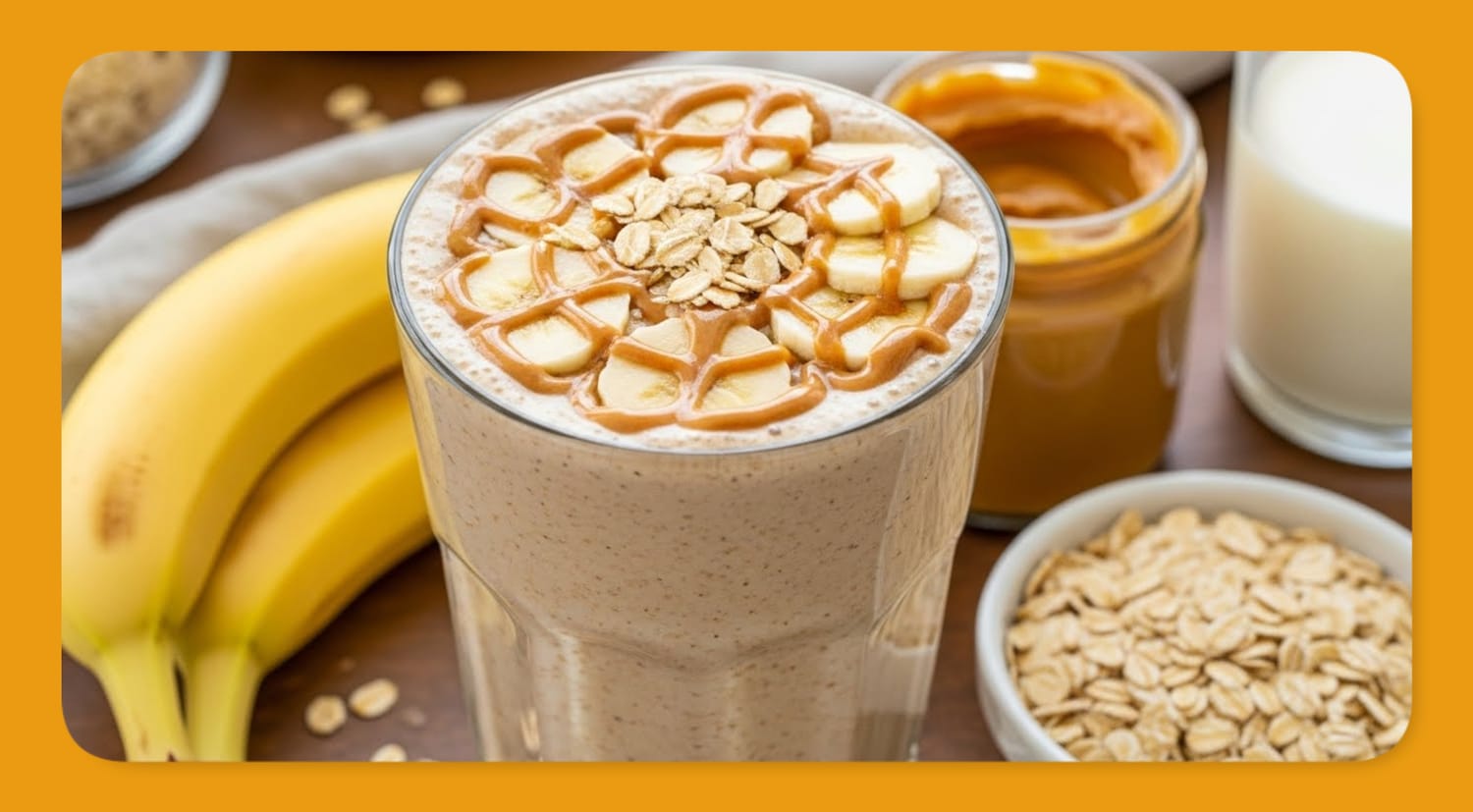
🍌 Creamy Banana Oat Smoothie: Hearty Breakfast Fuel
The first spoonful hits differently when your breakfast actually keeps you full past 10 AM. This isn't your typical watery fruit smoothie that leaves you raiding the snack drawer an hour later. This banana oat smoothie has the satisfying thickness of a milkshake and the staying power of a full breakfast plate, thanks to the magic combination of fiber-rich oats, protein-packed peanut butter, and creamy banana that blends into pure comfort in a glass.
I spent weeks testing smoothie recipes that claimed to be "filling," only to find myself hungry before lunchtime. The problem? Most breakfast smoothies are just fruit and juice, missing the key components that actually satisfy your appetite: protein, healthy fats, and complex carbs. This recipe solves that by incorporating pantry staples you probably already have. The oats blend completely smooth (no chalky texture), the peanut butter adds richness without overpowering the flavor, and the banana provides natural sweetness so you don't need added sugars.
What makes this smoothie a game-changer for busy mornings is how ridiculously simple it is. Five ingredients. One blender. Five minutes from start to finish. No exotic superfoods, no expensive protein powders (unless you want to add them), and no complicated prep. Just real, whole ingredients that deliver real energy. Whether you're rushing to work, fueling up before a workout, or trying to feed breakfast to picky eaters who "don't have time to eat," this smoothie checks every box without breaking the bank.
✨ What Makes This Smoothie Special
💰 Budget-Friendly Powerhouse: Forget spending $12 on açai bowls or fancy protein shakes. Every ingredient costs under $3 per batch, using pantry staples like oats and bananas that you likely already stock. This is premium nutrition at everyday prices.
🍽️ Genuinely Filling Formula: With 15g of protein, 8g of fiber, and healthy fats from peanut butter, this smoothie actually acts like a meal. The oats absorb liquid and expand in your stomach, while protein slows digestion, meaning you'll stay satisfied for 4 to 5 hours, not 45 minutes.
🥛 Perfectly Creamy Without Dairy Overload: The combination of frozen banana and rolled oats creates that thick, luscious texture people love in expensive smoothie shop drinks. You get velvety smoothness without relying on multiple cups of yogurt or ice cream.
👶 Kid-Approved Neutral Flavor: No bitter greens, no "healthy" aftertaste. This tastes like peanut butter banana toast blended into drinkable form. Even the pickiest eaters and kids who claim to hate smoothies request this one.
🎨 Versatile Blank Canvas: The mild, naturally sweet flavor makes this the perfect base for adding whatever boosters you want: chocolate protein powder, spinach (trust me, you won't taste it), chia seeds, or cocoa powder. Start simple and customize as you go.
📝 Ingredients
🍌 Base Ingredients:
- 1 large banana, frozen in chunks (about 120g) - provides natural sweetness and creamy texture
- 1/2 cup rolled oats (40g) - adds fiber, thickness, and slow-release energy
- 2 tablespoons peanut butter (32g) - contributes protein, healthy fats, and rich flavor
- 1 cup milk of choice (240ml) - creates smooth, drinkable consistency (dairy or non-dairy both work)
- 1/2 teaspoon vanilla extract (optional) - enhances overall flavor
- 1/4 teaspoon cinnamon (optional) - adds warmth and natural sweetness perception
💪 Nutritional Boosters (Optional):
- 1 scoop vanilla or unflavored protein powder (adds 20 to 25g protein)
- 1 tablespoon chia seeds or ground flaxseed (omega-3s and extra fiber)
- 1 handful fresh spinach (won't affect taste, adds vitamins)
- 1 tablespoon hemp hearts (complete protein and healthy fats)
- 1 to 2 pitted Medjool dates (natural sweetness if banana isn't sweet enough)
🎨 Flavor Variations (Pick One):
- 1 tablespoon cocoa powder (chocolate peanut butter version)
- 1/2 teaspoon instant coffee or espresso powder (mocha energy boost)
- 1/4 cup frozen berries (berry twist)
- 1 tablespoon almond butter instead of peanut butter (nut-free option with sunflower seed butter)
🔄 Blending Instructions & Technique
A. Preparation:
🧊 Freeze Your Bananas Ahead: Peel ripe bananas, break into chunks, and freeze in a single layer on a parchment-lined tray for 2 hours, then transfer to a freezer bag. This prevents one giant frozen banana block and makes blending easier. Frozen banana is essential for creamy thickness without ice diluting the flavor.
🌾 Choose Your Oats Wisely: Rolled oats (old-fashioned oats) work best. Quick oats are fine too, but steel-cut oats are too tough and won't blend smooth. If you're sensitive to oat texture, pulse your oats alone in the blender for 10 seconds first to create oat flour before adding other ingredients.
B. Blend Order & Layering:
1Liquid First (Prevents Blender Jamming): Pour your milk into the blender before anything else. This allows the blades to move freely from the start and prevents the dreaded frozen banana getting stuck at the bottom.
2Add Oats Second (Creates Smooth Base): Let them fall into the liquid. This gives them a head start on softening, which means a smoother final texture. If adding protein powder or cocoa powder, add these now too so they incorporate evenly.
3Peanut Butter Third (Easy Distribution): Drop it in so it can mix throughout. Adding it after the liquid prevents it from sticking to the sides.
4Frozen Banana Last (On Top): Place frozen banana chunks on top. This positioning means they'll get pulled down into the vortex gradually, not all at once, which creates better blending action.
5Optional Boosters Last: Spinach, chia seeds, or any extras go on top of everything.
C. Blending Technique:
Start Low, Then Go High: Begin blending on low speed for 10 to 15 seconds to break up the frozen banana. You'll hear the motor working hard at first. Once you hear the sound become smoother and more consistent, increase to high speed.
Blend for 60 to 90 Seconds Total: High-speed blenders need about 60 seconds. Standard blenders may need closer to 90 seconds. You'll know it's ready when the sound becomes smooth and consistent, not choppy. The color should be a uniform creamy beige (or brown if you added cocoa), with no visible oat pieces.
Use the Tamper Tool (If You Have One): For high-speed blenders like Vitamix, use the tamper to push ingredients down toward the blades while blending. This dramatically speeds up the process.
Pause to Scrape If Needed: If ingredients climb up the sides and aren't getting blended, stop the blender, scrape down the sides with a spatula, and blend again.
D. Texture Checkpoint:
The perfect banana oat smoothie should coat the back of a spoon and slowly drip off. When you pour it, it should flow like a thick milkshake, not water. If you draw a line through it with your finger, it should hold its shape briefly. This is thick enough to sip satisfyingly but thin enough to drink through a regular straw.
E. Finishing & Serving:
Immediate Serving is Best: This smoothie thickens as it sits (the oats continue absorbing liquid), so enjoy right away for optimal texture. If you wait 10 minutes, it becomes thick enough to eat with a spoon, which some people actually prefer.
Pour into a Chilled Glass: This keeps it cold longer and makes the experience more refreshing. Wide-mouth mason jars work beautifully and are Instagram-worthy.
Optional Topping Ideas: Sprinkle with a few whole oats, a drizzle of peanut butter, banana slices, or a pinch of cinnamon on top for visual appeal.
🥄 Texture & Consistency Guide
For Drinkable Smoothies:
Too Thick? This is the most common issue with oat smoothies. Add liquid 2 tablespoons at a time and blend briefly after each addition. Options include: more milk, water (doesn't dilute flavor much), coconut water (adds slight sweetness), or even brewed coffee cooled for a mocha version.
Too Thin? Add more frozen banana chunks (quarter of a banana at a time), ice cubes (4 to 5 cubes), or an extra tablespoon of oats. Blend again for 20 to 30 seconds. Remember: you can always add more but can't remove excess liquid.
Gritty or Grainy Texture? Your blender didn't pulverize the oats completely. Next time, blend oats with liquid first for 15 seconds before adding other ingredients. Or use quick oats instead of rolled oats for finer texture.
For Bowl-Style Serving:
Perfect Bowl Consistency: Use only 1/2 to 3/4 cup liquid instead of a full cup. The mixture should be thick enough that a spoon stands upright when you stick it in the center. Add your liquid gradually, blending between additions, until you reach this consistency.
Bowl Toppings That Work: Sliced banana, granola, more peanut butter drizzle, chopped nuts, coconut flakes, fresh berries, or a sprinkle of cinnamon. The thick base holds toppings beautifully.
Ideal Consistency Indicators:
Drinkable Version: Flows through a wide straw (bubble tea straws work perfectly), has body and weight to it, leaves a coating on the glass.
Bowl Version: Holds shape when scooped, doesn't puddle or run to the edges, firm enough to create a little well when you drag your spoon through it.
Pro Tip: This smoothie naturally thickens over 5 to 10 minutes as oats absorb more liquid. If making it to drink immediately, aim for slightly thinner than your target. If drinking it 20 minutes later, make it exactly how you want it.
📊 Customization Matrix
| Category | Options | Notes |
|---|---|---|
| Liquid Base | Dairy milk (whole, 2%, skim) | Whole milk = creamiest texture |
| Almond milk | Most popular dairy-free, slightly nutty | |
| Oat milk | Extra creamy, naturally sweet | |
| Coconut milk (canned or carton) | Rich and tropical | |
| Cashew milk | Very creamy, neutral flavor | |
| Soy milk | Highest protein of plant milks | |
| Nut/Seed Butter | Peanut butter (creamy or crunchy) | Classic, affordable, high protein |
| Almond butter | Milder flavor, slightly sweet | |
| Cashew butter | Very smooth, buttery | |
| Sunflower seed butter | Nut-free alternative | |
| Tahini | Savory option, sesame flavor | |
| Natural Sweeteners | Banana (main sweetener) | Naturally sweet, use very ripe |
| 2 to 3 pitted Medjool dates | Caramel-like sweetness, blend well | |
| 1 tablespoon honey | Quick sweetness boost | |
| 1 tablespoon maple syrup | Adds depth of flavor | |
| Protein Boosters | Vanilla protein powder (1 scoop) | Adds 20 to 25g protein |
| Greek yogurt (1/4 cup) | Adds tang and creaminess, 6g protein | |
| Cottage cheese (1/4 cup) | Blends smooth, 7g protein | |
| Hemp hearts (2 tablespoons) | Complete protein, 6g | |
| Silken tofu (1/4 cup) | Neutral flavor, creamy texture | |
| Thickness Enhancers | Extra frozen banana | Increases creaminess |
| Ice cubes (4 to 6) | Adds thickness without calories | |
| Frozen cauliflower (1/4 cup) | Undetectable, adds creaminess | |
| Extra oats (2 tablespoons) | More fiber and thickness | |
| Avocado (1/4) | Rich, creamy, healthy fats | |
| Nutrient Boosters | Fresh spinach (1 cup) | Won't taste it, adds vitamins |
| Frozen zucchini (1/4 cup) | Totally undetectable | |
| Ground flaxseed (1 tablespoon) | Omega-3s and fiber | |
| Chia seeds (1 tablespoon) | Fiber and omega-3s | |
| Collagen peptides (1 scoop) | Protein boost, flavorless |
👨🍳 Chef's Tips for Success
🍌 Freeze Bananas When They're Perfectly Ripe: Wait until your bananas have brown spots, then peel and freeze. These overripe bananas are naturally sweeter and need no added sweeteners. Never freeze bananas in the peel. They're impossible to peel when frozen and turn brown.
🌾 Blend Oats First for Ultra-Smooth Texture: If you have a standard blender (not high-speed), pulse your oats alone in the dry blender for 10 to 15 seconds to create oat flour. Then add the rest of your ingredients. This eliminates any grainy texture completely.
📦 Pre-Portion Smoothie Packs for Zero Morning Effort: Measure banana chunks, oats, and peanut butter into freezer bags. Write "Add 1 cup milk" on the bag. On busy mornings, dump the frozen pack into your blender, add milk, and blend. Takes 2 minutes total.
🥛 Don't Add All the Liquid at Once: Start with 3/4 cup milk, blend, then add more if needed. Oats are thirsty and absorb a lot of liquid, but every blender is different. You can always thin it out, but you can't un-thin it.
🥜 Room Temperature Peanut Butter Blends Better: Cold peanut butter straight from the fridge can form clumps. Let it sit out for 5 minutes or microwave for 10 seconds to soften slightly. This makes for smoother distribution throughout your smoothie.
🌾 Use Rolled Oats, Not Steel-Cut: Steel-cut oats don't soften enough during blending and create a gritty texture. Rolled oats (old-fashioned oats) or quick oats work perfectly. Instant oatmeal packets work in a pinch but often contain added sugars.
🍫 Make It Chocolate Without the Sugar Spike: Add 1 tablespoon unsweetened cocoa powder for a chocolate peanut butter cup smoothie. The banana provides sweetness, so you don't need chocolate syrup or chocolate milk which add empty calories.
📈 Nutritional Benefits Section
This isn't just another breakfast smoothie. It's a nutritionally complete meal that rivals what you'd get from eggs, toast, and fruit, but comes together in a fraction of the time. Here's why this simple combination of banana, oats, peanut butter, and milk creates such effective breakfast fuel.
⚡ Sustained Energy from Complex Carbs and Fiber: The 8g of fiber from oats and banana slows digestion and prevents blood sugar spikes. Unlike sugary breakfast cereals or pastries that cause energy crashes by 10 AM, this smoothie releases energy gradually over 4 to 5 hours. The complex carbohydrates in oats provide steady fuel rather than quick-burning simple sugars.
💪 Complete Protein for Muscle and Satiety: With 15g of protein per serving (or 35g+ if you add protein powder), this smoothie keeps hunger at bay and supports muscle recovery after workouts. The combination of peanut butter and milk provides a complete amino acid profile. Compare this to a typical fruit smoothie with only 2 to 3g of protein that leaves you starving an hour later.
🧠 Heart-Healthy Fats for Brain Function: The monounsaturated fats in peanut butter support cardiovascular health and help your body absorb fat-soluble vitamins A, D, E, and K from other foods you eat. These healthy fats also help with feeling satisfied, as fat triggers satiety hormones that tell your brain you've eaten enough.
🦠 Prebiotic Fiber for Gut Health: Oats contain beta-glucan, a type of soluble fiber that acts as food for beneficial gut bacteria. A healthy gut microbiome supports everything from digestion to immune function to mood regulation. This is the same fiber that helps lower cholesterol levels.
💧 Natural Potassium for Recovery and Hydration: One banana provides about 400mg of potassium, an electrolyte crucial for muscle function, nerve signaling, and blood pressure regulation. This makes the smoothie especially valuable post-workout or on hot days when you need to replenish electrolytes lost through sweat.
💰 Budget-Friendly Nutrition That Beats Convenience Food: For approximately $2 per serving, you're getting nutrition that would cost $8 to $12 at a smoothie shop or café. Compare the macros to a drive-through breakfast sandwich (more saturated fat, less fiber, more sodium, more processed ingredients) or a grab-and-go protein bar (more sugar, less real food, more additives).
Macro Breakdown (Per Serving, Without Optional Additions):
Why This Matters: This macro profile hits the sweet spot for breakfast: enough protein to curb appetite and preserve muscle, enough carbs to fuel your morning (whether you're working out or just making it through meetings), enough fiber to support digestive health, and enough healthy fats to keep you satisfied. The 30% protein ratio is ideal for weight management because protein increases satiety hormones and has a higher thermic effect than carbs or fats, meaning your body burns more calories digesting it. For anyone trying to manage their weight, increase energy, or simply eat cleaner without giving up convenience, this smoothie delivers results without feeling like a sacrifice.
🔌 Best Blender Types & Equipment
The good news? You don't need a $500 blender to make this smoothie. The bad news? Your results will vary depending on what you're working with. Here's the honest truth about which blenders work best.
High-Speed Blenders (Ideal for Daily Use):
Vitamix, Blendtec, Ninja Professional Series: These powerhouse blenders create the smoothest, creamiest texture in 60 seconds or less. The strong motors pulverize frozen banana and oats into silky perfection with zero graininess. If you make smoothies 4 to 5 times per week or want to venture into nut butters and smoothie bowls, the investment pays off.
Best for: Daily smoothie makers, people who hate any texture in their smoothies, anyone making smoothie bowls or thick versions.
Pro Tip: Use the tamper that comes with Vitamix to push ingredients down while blending. This cuts your blend time in half.
Standard Blenders (Works Great with Small Adjustments):
Most kitchen blenders (Hamilton Beach, Oster, Black+Decker): These absolutely work for this recipe. You just need to help them out. Let frozen banana sit at room temperature for 5 minutes to soften slightly, blend in 20 to 30 second intervals with breaks in between, and add liquid first. Cut banana into smaller chunks.
Best for: Occasional smoothie makers, budget-conscious households, people new to smoothie making.
Pro Tip: Pulse mode is your friend. Pulse 5 to 6 times to break up frozen chunks, then blend continuously. If your motor starts to sound strained, stop and let it rest for 30 seconds.
Personal/Single-Serve Blenders (Convenient for One):
NutriBullet, Magic Bullet, Ninja Personal Blenders: Perfect for single servings, and this recipe fits perfectly in a personal blender cup. These work surprisingly well with frozen ingredients because the blade is close to the ingredients. The smaller container creates better blending action than a huge blender jar with only one serving inside.
Best for: Singles or people who meal prep individual smoothie packs, small kitchens with limited counter space, quick morning routines.
Pro Tip: Don't overfill past the MAX line, or it won't blend properly. If making just one serving, use the exact recipe amounts. If your personal blender is small, halve the recipe.
No High-Powered Blender? Alternative Methods:
Immersion/Stick Blender: This can work for non-frozen smoothies. Use a tall, narrow container (like a wide-mouth mason jar) to prevent splatter. Thaw the banana first or use fresh banana, and expect a less smooth texture with the oats.
Food Processor: Not ideal, but possible in a pinch. Process oats first to create flour, then add all other ingredients and process for 1 to 2 minutes. The texture won't be as smooth, and it'll be more pudding-like than drinkable. Might need to add extra liquid.
Other Helpful Tools:
Reusable Silicone or Stainless Steel Straws: Thick smoothies clog paper straws. Invest in wide-bore reusable straws (boba tea straws work great) for environmental and practical reasons.
Wide-Mouth Mason Jars (16 oz or 24 oz): Perfect for serving, storing, and even blending if you have a personal blender with mason jar attachments. The wide opening makes drinking thick smoothies easier.
Freezer-Safe Bags or Containers: Essential for banana chunks and pre-portioned smoothie packs. Silicone bags are reusable and eco-friendly.
Digital Kitchen Scale (Optional but Helpful): Measuring oats and peanut butter by weight (grams) instead of volume (cups/tablespoons) creates more consistent results, especially when meal prepping multiple smoothie packs.
📦 Storage, Prep & Serving
Immediate Serving (Best Option):
This smoothie is absolutely best enjoyed within 15 minutes of blending. The texture is perfect, the temperature is ideal, and all the nutrients are at their peak. The oats haven't over-absorbed the liquid yet, so you get that perfect creamy-but-drinkable consistency. Serve in a chilled glass or insulated tumbler to keep it cold longer.
For smoothie bowls, use a chilled ceramic or glass bowl. The cold bowl prevents the smoothie from warming up and getting runny while you add toppings and eat.
Short-Term Storage (Up to 24 Hours):
Refrigerator Storage: Transfer to an airtight container or mason jar with a tight lid. It will keep for 24 hours, but expect significant changes. The oats will continue absorbing liquid, making it very thick, almost pudding-like. The color may darken slightly as the banana oxidizes (this is normal and safe). Before drinking, shake vigorously or stir well, as ingredients naturally separate. You'll likely need to add 2 to 4 tablespoons of milk to thin it back to drinkable consistency.
Texture Note: Some people actually prefer the thickened, next-day texture and eat it with a spoon like overnight oats. If this is you, refrigerate it intentionally and enjoy it as a different breakfast option.
Make-Ahead Smoothie Packs (Freezer Method):
This is the absolute best time-saving hack for busy mornings. On a Sunday afternoon, spend 15 minutes prepping a week's worth of smoothie packs:
Step-by-Step Smoothie Pack Process:
- Label freezer bags first: Write "Banana Oat Smoothie - Add 1 cup milk" on quart-size freezer bags with permanent marker
- Portion ingredients: For each bag, add 1 frozen banana (in chunks), 1/2 cup oats, 2 tablespoons peanut butter (it will clump but that's fine)
- Remove air and freeze flat: Press out air, seal, and lay flat in freezer. Once frozen, you can stack them vertically like files in a drawer
- Morning routine: Grab one pack, dump contents into blender, add 1 cup milk, blend for 60 to 90 seconds
Shelf Life: Smoothie packs last up to 3 months in the freezer without quality loss.
Pro Benefits: No measuring in the morning when you're half-asleep, no forgotten produce going bad in your fridge, always have a healthy option ready even when you haven't grocery shopped.
Freezing Finished Smoothies:
Ice Cube Tray Method: Pour blended smoothie into ice cube trays and freeze. Pop out frozen cubes and store in a freezer bag. When ready to drink, blend 8 to 10 smoothie cubes with 1/4 cup fresh milk for a slushie-like texture.
Freezer Bag Method: Pour smoothie into freezer bags, remove air, seal, and freeze flat. The night before, move to fridge to thaw. In the morning, shake well or blend briefly with a splash of milk.
Shelf Life: Frozen smoothies maintain quality for up to 1 month. Beyond that, they're safe but may develop ice crystals and lose some flavor.
Meal Prep Benefits That Actually Matter:
⏰ Time Savings: Pre-portioned packs save 10 to 15 minutes per morning (no measuring, no decisions about what to eat). Over a week, that's over an hour of reclaimed time.
🗑️ Reduce Food Waste: How many times have you thrown away brown bananas or forgotten produce? Smoothie packs use them all before they go bad.
💵 Budget Protection: When you have healthy food ready to go, you're less tempted by expensive drive-through breakfast or overpriced café smoothies. Save $30 to $40 per week easily.
🎯 Consistency with Health Goals: Having a healthy option ready removes the friction of healthy eating. No more "I don't have time" excuses when breakfast is 2 minutes away.
🍽️ Serving Suggestions & Occasions
Best Times to Enjoy This Smoothie:
☀️ Rushed Weekday Breakfast: When you have exactly 5 minutes before you need to leave the house. Drink it on your commute or sip it at your desk. The thickness means it feels like you actually ate something, unlike grabbing a banana and calling it breakfast.
🏋️ Post-Workout Recovery (Within 30 to 45 Minutes): The carbs replenish glycogen stores, protein supports muscle repair, and potassium replaces electrolytes. Add a scoop of protein powder to bump protein to 35g+ for optimal recovery.
⚡ Afternoon Energy Boost (2 to 3 PM): When the afternoon slump hits and you're tempted by vending machine snacks or a third cup of coffee. This provides sustained energy without caffeine jitters or sugar crashes.
🍨 Healthy Dessert Alternative: Craving something sweet after dinner? This smoothie satisfies dessert cravings with natural sweetness and feels indulgent (especially if you add cocoa powder for a chocolate version) but won't derail your nutrition goals.
🎒 Kid-Friendly After-School Snack: Gets kids fed quickly when they're "starving" after school. The familiar peanut butter-banana flavor means even picky eaters will drink it, and you'll feel good knowing they're getting real nutrition, not juice boxes.
Perfect Pairings to Make It a Complete Meal:
Pair With (If Drinking as a Lighter Meal):
- 2 slices whole grain toast with avocado (adds healthy fats and more fiber)
- Hard-boiled eggs (extra protein and nutrients)
- Handful of raw almonds or walnuts (crunch factor and additional healthy fats)
- Apple slices with almond butter
Use As Meal Replacement When:
- You add protein powder (brings total protein to 35g+)
- You use it as a smoothie bowl with toppings like granola, berries, nuts, and coconut
- You're doing intermittent fasting and this is your first meal
- You pair it with a substantial side like the suggestions above
Make It a Complete Breakfast Bowl:
Transform this into a filling smoothie bowl that eats like a restaurant brunch:
Bowl Method: Use only 1/2 cup milk (instead of full cup) to create thick, spoonable consistency. Pour into a bowl.
Topping Ideas for Complete Nutrition:
- Granola (adds crunch and extra fiber)
- Fresh Banana Slices (pretty and more fruit)
- Peanut Butter Drizzle (extra protein and visual appeal)
- Chia Seeds (omega-3s)
- Berries (antioxidants and color)
- Coconut Flakes (texture and healthy fats)
- Chopped Nuts (protein and crunch)
- Dark Chocolate Chips (antioxidants and treats)
Why This Works: The thick base + protein-rich toppings + healthy fats = 500+ calories and 25g+ protein, which genuinely replaces a traditional breakfast plate.
Occasion-Specific Serving Styles:
🎒 Back-to-School Mornings: Make smoothie packs over the weekend. Kids can even help portion ingredients. On busy school mornings, blend and pour into insulated tumblers for the car ride.
📅 Meal Prep Sundays: Blend 2 to 3 servings at once, portion into mason jars, and refrigerate. Grab one each morning for the first 2 to 3 days of the week.
🍳 Weekend Brunch: Make smoothie bowls, arrange toppings beautifully, and enjoy at the table with family instead of rushing. Actually taste your breakfast for once.
💭 Final Thoughts
If you're tired of choosing between breakfast that tastes good and breakfast that's actually good for you, this smoothie proves you don't have to compromise. The creamy, naturally sweet combination of banana, oats, and peanut butter tastes like a treat but fuels your body like a balanced meal. No weird aftertaste. No expensive superfood powders. No complicated techniques. Just five simple ingredients that most of us already have in our pantries, blended into something genuinely satisfying.
For busy parents trying to feed families healthy food on hectic mornings, this recipe is a lifesaver. Kids actually ask for it because it tastes like peanut butter toast in drinkable form. For anyone focused on health goals without blowing the grocery budget, you're getting premium nutrition for about $2 per serving. Compare that to the $12 smoothie shop version with inferior ingredients and added sugars. And for those of us who just want to feel good about what we're putting in our bodies without spending 30 minutes cooking breakfast, this five-minute solution delivers real energy that lasts until lunch.
The beauty of this recipe is how effortlessly it adapts to your needs. Want more protein? Add Greek yogurt or protein powder. Need it dairy-free? Swap to almond milk. Craving chocolate? Stir in cocoa powder. Have leftover spinach? Toss it in. You won't taste it. This smoothie becomes whatever you need it to be, which is exactly why it's earned a permanent spot in so many morning routines.
Your mornings just got easier, healthier, and infinitely more delicious. Once you try this and realize how satisfying a real breakfast smoothie can be, those watery fruit blends you used to make will feel like a distant, disappointing memory.
❓ FAQ Section
Can I use fresh banana instead of frozen?
Yes, but your smoothie won't be as thick and creamy. Fresh banana creates a thinner, less milkshake-like texture. To compensate, add 4 to 6 ice cubes or reduce the milk to 3/4 cup. For best results, freeze ripe bananas in advance. They provide natural thickness without diluting flavor like ice does.
What's the best dairy-free milk alternative for this smoothie?
Oat milk is the top choice because it's naturally creamy and slightly sweet, complementing the banana and oats beautifully. Cashew milk comes in second for creaminess. Almond milk works fine but is thinner, so you may need to add less liquid overall. Avoid rice milk or thin coconut water as your base. They're too watery and create a disappointing texture.
Will I actually taste the oats, or is it gritty?
In a high-speed blender, oats blend completely smooth with zero graininess. You'll taste subtle nutty flavor but no texture. In standard blenders, you might notice slight texture. Pro fix: blend oats with the milk first for 15 seconds before adding other ingredients, or use quick oats instead of rolled oats for finer results.
Why is my smoothie too watery or too thick?
Oats are moisture sponges and continue absorbing liquid after blending. If too thick: add 2 tablespoons of milk at a time and pulse briefly. If too watery: you likely added too much liquid initially. Next time start with 3/4 cup milk and add more only if needed. Quick fix: add more frozen banana chunks or 4 to 5 ice cubes and reblend.
Can I make this without peanut butter (nut allergy)?
Absolutely. Sunflower seed butter is the best nut-free substitute with similar texture and protein content. Other options: tahini (sesame seed butter, but more savory), pumpkin seed butter, or skip the nut butter entirely and add 1/4 avocado for creaminess plus 1 scoop protein powder to replace the protein.
How can I add more protein without protein powder?
Add 1/4 cup Greek yogurt (+6g protein), 1/4 cup cottage cheese (+7g protein, blends smooth despite what you'd think), 2 tablespoons hemp hearts (+6g protein), or increase the peanut butter to 3 tablespoons (+4g more protein). These whole food options work beautifully and don't require buying protein powder.
Is this actually filling enough for breakfast?
For most people, yes. The 15g protein, 8g fiber, and healthy fats create genuine satiety for 4 to 5 hours. If you're very active, have high caloric needs, or find it's not enough, add protein powder, increase peanut butter to 3 tablespoons, or pair with whole grain toast or hard-boiled eggs. The oats expand in your stomach, which helps with fullness.
Can I make this the night before?
You can, but it won't be as good. The oats absorb liquid overnight and create a very thick, pudding-like texture. If you refrigerate it, shake vigorously and add 3 to 4 tablespoons fresh milk before drinking to restore smoothie consistency. Better solution: prep smoothie packs (all ingredients except milk in a freezer bag) and just blend fresh in the morning. Takes the same 2 minutes.
Do I need a high-speed blender like a Vitamix?
No, but it helps. Regular blenders work fine with small adjustments: let frozen banana soften 5 minutes at room temperature first, cut banana into smaller pieces, blend in intervals with breaks, and add liquid first to help the blades move. You might get slightly more texture from the oats, but the taste will be the same.
Can I add spinach without ruining the taste?
Yes! This is one of the best smoothies for hiding vegetables. Add 1 cup of fresh spinach or a handful of frozen spinach. The banana and peanut butter completely mask the flavor. The smoothie will turn slightly greenish-brown instead of beige, but there's zero "green" taste. Kids won't notice if you don't tell them.
How do I make this lower in calories?
Use unsweetened almond milk instead of regular milk (saves 40 calories), reduce peanut butter to 1 tablespoon (saves 90 calories), or use PB2 powdered peanut butter (saves 125 calories but less satisfying). The smoothie will be less filling with these swaps, so consider whether the calorie savings is worth the reduced satiety.
📖 Glossary of Key Terms
Base Liquid: The liquid foundation of your smoothie (milk, plant milk, or water) that determines the final drinkable consistency. More liquid creates thinner smoothies; less liquid creates bowl-thick consistency. This smoothie uses 1 cup for drinkable texture.
Beta-Glucan: A type of soluble fiber found in oats that supports heart health by lowering cholesterol, feeds beneficial gut bacteria, and slows digestion to keep you fuller longer. This is why oatmeal (and oat smoothies) are so satisfying.
Boost/Booster: Nutritional add-ins like protein powder, chia seeds, hemp hearts, or greens that enhance the health benefits of your base smoothie without dramatically changing the taste. Think of these as optional upgrades to an already solid recipe.
Frozen Banana: Peeled banana chunks that have been frozen, creating the thick, creamy, ice-cream-like texture in smoothies without needing actual ice cream or excess ice. Always freeze ripe (spotty) bananas for maximum natural sweetness.
High-Speed Blender: Professional-grade blender with 1000+ watts of power (Vitamix, Blendtec, Ninja) that pulverizes frozen ingredients, ice, and tough items like oats into perfectly smooth texture within 60 seconds. Not required, but dramatically improves results.
Macro Breakdown/Macros: Short for macronutrients, the three main nutrients your body needs in large amounts: protein, carbohydrates, and fats. Tracking macros helps ensure balanced nutrition. This smoothie provides roughly 30% protein, 50% carbs, 20% fats.
Meal Replacement Smoothie: A smoothie with enough calories (400 to 600), protein (20g+), healthy fats, and fiber to legitimately replace a full meal and keep you satisfied for 4 to 5 hours. Not all smoothies qualify. Many are just snacks masquerading as meals.
Natural Sweetener: Sweetness that comes from whole foods (fruit, dates) rather than added processed sugars (table sugar, syrups, honey). This smoothie gets all its sweetness from banana, making it naturally sweet without any added sugars.
Net Carbs: Total carbohydrates minus fiber. Important for people monitoring blood sugar or following low-carb diets. This smoothie has 52g total carbs but only 44g net carbs thanks to 8g of fiber that doesn't impact blood sugar.
Rolled Oats (Old-Fashioned Oats): Whole oat groats that have been steamed and flattened into flakes. These blend smoother than steel-cut oats and provide the thick, creamy texture in this smoothie. Different from quick oats (thinner flakes) or instant oatmeal (pre-cooked).
Smoothie Pack: Pre-portioned freezer bag containing all smoothie ingredients except liquid, allowing you to dump-and-blend in under 2 minutes on busy mornings. The ultimate meal prep hack for consistent healthy breakfasts without morning decision fatigue.
Satiety: The feeling of fullness and satisfaction after eating that prevents you from getting hungry again quickly. High-protein, high-fiber foods like this smoothie score high on satiety, keeping you satisfied for hours instead of minutes.
🎉 Share Your Success!
What's your current morning breakfast situation? Are you team "grab whatever's fastest" or do you have a routine that actually works? I'd love to know if this smoothie becomes your new go-to or if you're customizing it in creative ways I haven't thought of yet.
Have you tried adding any unexpected ingredients that worked surprisingly well? The best recipe variations often come from readers experimenting based on what they have in their kitchens. Drop a comment below and share your version. Did you go chocolate? Add coffee? Sneak in vegetables for the kids?
Save this recipe to your Pinterest breakfast or smoothie board so you can find it again when you're meal prepping on Sunday or scrambling for breakfast ideas on a Tuesday morning. Trust me, future-you scrolling Pinterest at 6:30 AM will thank present-you for saving this.
Follow along for more real-food recipes that don't require expensive ingredients or complicated techniques. Just simple, satisfying meals that fit into actual busy lives. And if you snap a photo of your smoothie (especially if it's a beautiful bowl version), tag me! I feature reader creations and love seeing how these recipes work in your kitchens.
Here's to mornings that start with something delicious, nutritious, and actually doable. Blend on! 🍌
More Delicious Smoothies to Try
Affiliate Disclosure
This page may contain affiliate links. This means that if you click on one of these links and make a purchase, I may receive a small commission at no additional cost to you. This helps support the blog and allows me to continue creating free content. I only recommend products or services that I use personally and believe will add value to my readers. Your support is appreciated!
Created with ©simplyhealthynews