
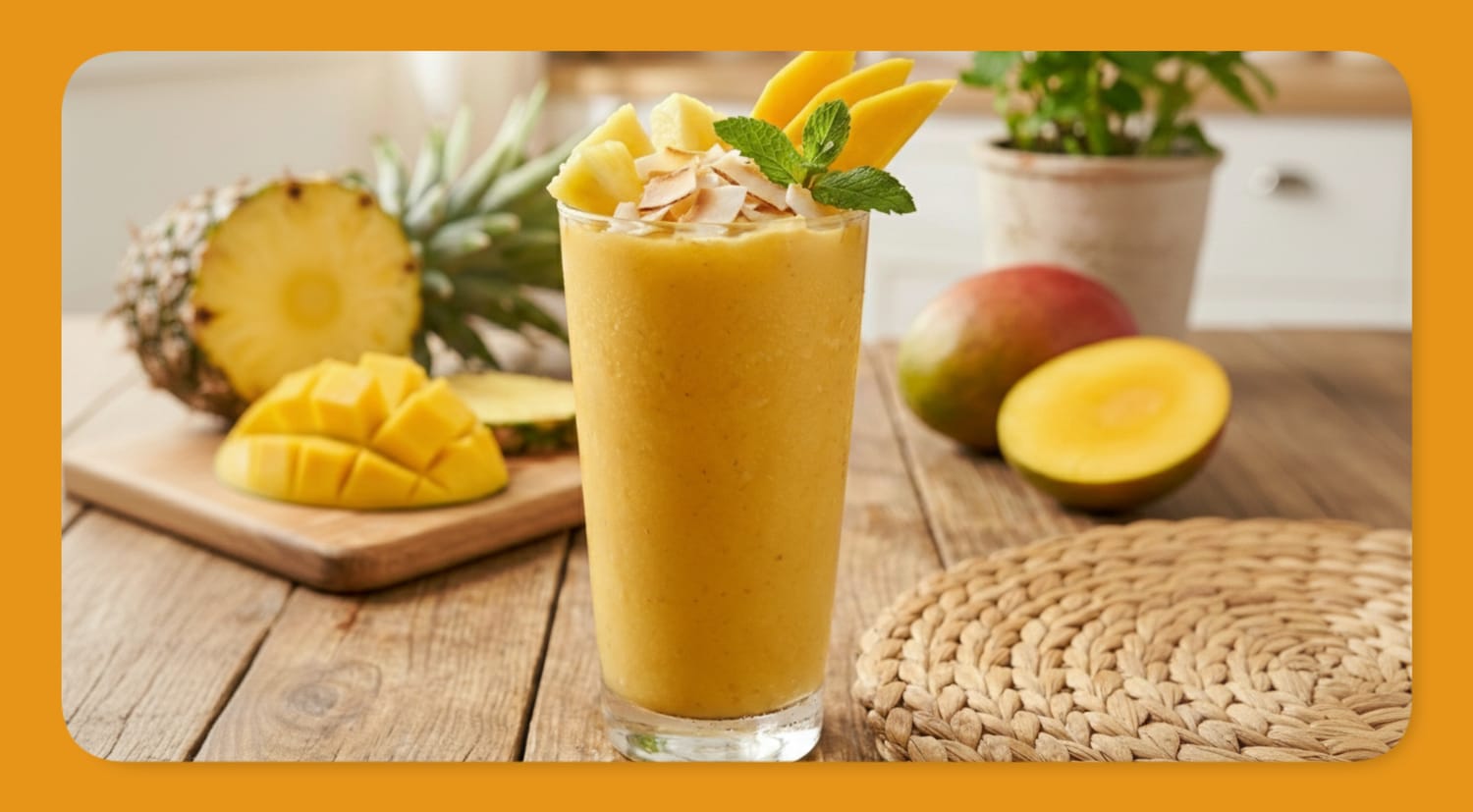
Vibrant Tropical Mango Pineapple Smoothie: Island Vacation in a Glass
The first sip hits differently on a Tuesday morning, sweet mango melding with tangy pineapple, all wrapped in a silky coconut embrace that transports you straight to a beachside hammock. This isn't your average fruit smoothie that leaves you hungry an hour later or tastes like blended ice with a hint of disappointment. This tropical creation delivers that perfect balance of naturally sweet, refreshingly tart, and satisfyingly creamy that makes you actually look forward to healthy choices.
I developed this recipe after one too many watery, flavorless tropical smoothies that promised paradise but delivered cafeteria juice vibes. The secret? Frozen fruit for thickness, ripe banana for natural creaminess, and just enough coconut milk to make every sip feel like a mini vacation. No chalky protein powders required (though you can add them), no weird aftertaste, just pure tropical bliss that happens to be packed with vitamins, fiber, and energizing natural sugars.
What makes this smoothie genuinely special is how it solves the common smoothie struggles, it's thick enough to feel substantial without being spoonable, sweet enough to satisfy cravings without any refined sugar, and tropical enough to feel indulgent while being made from simple whole ingredients. Whether you're fighting the afternoon slump, need a post-workout refresher, or just want to feel like you're on vacation while standing in your kitchen, this five-minute wonder delivers every single time.
What Makes This Smoothie Special
Perfectly Balanced Tropical Flavor: The mango brings natural sweetness while pineapple adds that bright, tangy punch that keeps it from being one-note. Together with banana's creamy neutrality, you get complexity that rivals expensive smoothie shop creations.
Naturally Creamy Without Dairy: Coconut milk and frozen banana create that luscious, thick texture that coats your tongue like a tropical milkshake, no Greek yogurt or ice cream needed (though dairy lovers can add them for extra protein).
Energizing Natural Sugars: Unlike coffee drinks that spike and crash your energy, the natural fruit sugars provide steady fuel alongside fiber that keeps you satisfied. Perfect for busy mornings or pre-workout hydration.
Stunning Golden Color: That gorgeous sunshine-yellow hue isn't just Instagram-worthy, it's a visual reminder that you're drinking liquid vitamins. The vibrant color comes entirely from real fruit, making it naturally appealing to kids and picky eaters.
Five Minutes from Freezer to Glass: No prep work beyond opening a few bags. If you keep frozen fruit stocked, this becomes your fastest route to feeling like you made a healthy choice on even the most chaotic mornings.
Ingredients
Base Ingredients:
- 1 cup frozen mango chunks (150g) - provides natural sweetness and creamy body
- 1 cup frozen pineapple chunks (150g) - adds tropical tang and vitamin C
- 1 medium banana, frozen (120g) - creates thick, milkshake-like texture
- 1 cup coconut milk (240ml) - dairy-free creaminess with tropical notes
- 1/2 cup orange juice or water (120ml) - thins to drinkable consistency
- 1 tablespoon honey or 2 pitted dates (optional) - for extra sweetness if fruit isn't ripe
Nutritional Boosters (Optional):
- 1 scoop vanilla protein powder (adds 20g protein)
- 1 tablespoon chia seeds (fiber and omega-3s)
- 1/2 cup Greek yogurt (for tang and 10g extra protein)
- 1 teaspoon fresh ginger (adds zing and aids digestion)
- Handful of spinach (truly tasteless in this tropical blend)
Smoothie Bowl Toppings (Optional):
- Fresh mango slices
- Toasted coconut flakes
- Granola or muesli
- Fresh pineapple chunks
- Passion fruit pulp
- Macadamia nuts or cashews
- Drizzle of honey
Blending Instructions & Technique
A. Preparation
Freezing Fresh Fruit: If using fresh mango and pineapple instead of frozen, cut into chunks and freeze on a parchment-lined tray for at least 4 hours before blending. Frozen fruit is non-negotiable for achieving that thick, frosty texture.
Banana Prep: Always use frozen banana for creaminess. Peel ripe bananas, break into chunks, and freeze in a single layer before transferring to freezer bags. This prevents one giant frozen banana log that your blender hates.
Liquid Temperature: Room temperature or chilled liquids work best. Ice-cold coconut milk from the fridge is perfect.
B. Blend Order & Layering
1. Add liquids first (coconut milk and orange juice/water) - This creates a vortex that pulls ingredients down toward the blades, preventing air pockets and the dreaded "blender stuck" situation where ingredients just spin on top.
2. Add fresh ingredients (ginger, spinach if using) - Gets these blended smoothly before frozen items jam everything up.
3. Add frozen banana chunks - The banana acts as a buffer between liquid and harder frozen fruit.
4. Top with frozen mango and pineapple - Hardest ingredients go last so they get pushed down into the blades by their own weight.
5. Add any protein powder or boosters on top - Prevents clumping at the bottom.
C. Blending Technique
Start on low speed for 10-15 seconds to break up the frozen chunks without overworking your blender motor. You'll hear loud chunking sounds, this is normal.
Increase to medium-high speed and blend for 30-45 seconds. Use your blender's tamper if you have one, pushing ingredients down toward the blades in a circular motion.
Listen for the smoothing sound, when the motor noise becomes consistent and smooth (not choppy), your smoothie is nearly ready. The color should be uniformly golden-yellow with no white banana streaks.
Final high-speed blast for 10 seconds creates that silky, aerated texture. The smoothie should pour in a thick, continuous stream, not watery, not chunky.
Consistency checkpoint: Dip a spoon in and turn it over. The smoothie should coat the back of the spoon and slowly drip off. If it runs off immediately, it's too thin. If it doesn't drip at all, it's bowl-thick (which is great if that's your goal!).
Troubleshooting mid-blend:
- Too thick? Add liquid 2 tablespoons at a time through the top opening while blending on low
- Too thin? Add a handful of frozen mango or 3-4 ice cubes
- Not blending? Stop, push ingredients toward blades with a spoon, add 1/4 cup more liquid
D. For Smoothie Bowls - Creating Layers
Single Bowl: Use only 3/4 cup total liquid for a much thicker consistency. Should be thick like soft-serve ice cream.
Layered Bowl: Divide your base ingredients in half. For bottom layer, blend with only mango and banana (more yellow). For top layer, blend with extra pineapple (more golden-orange). Pour bottom layer into bowl, add top layer carefully by pouring over the back of a spoon.
Testing thickness: When you lift the blender lid, the smoothie should hold peaks like whipped cream, not settle flat.
E. Finishing & Serving
Immediate serving gives you the best texture, frosty, thick, and perfectly aerated. The longer it sits, the more it separates.
Pour into chilled glasses to keep it cold longer. Mason jars work beautifully and make it feel more special.
For bowls, use a chilled wide bowl and pour from the center outward for even distribution. Arrange toppings in sections for that Pinterest-perfect look, clusters of granola, neat rows of fruit, artistic coconut sprinkles.
Stir briefly before first sip if you've added boosters that tend to settle (chia seeds, protein powder).
Texture & Consistency Guide
For Drinkable Smoothies:
Too Thin? Add: more frozen mango or pineapple, 4-5 ice cubes, 1/4 frozen avocado (won't taste avocado-y), or 1/4 cup frozen cauliflower rice (secret weapon for thickness without affecting tropical flavor)
Too Thick? Add: more coconut milk or orange juice (start with 2 tablespoons at a time), coconut water for lighter version, or plain water if you want to keep calories down
For Smoothie Bowls:
Perfect Bowl Consistency: Should be thick enough that toppings sit on top rather than sink. Think soft-serve ice cream texture that slowly melts as you eat.
Secret: Use only 3/4 cup total liquid instead of 1.5 cups. Add more frozen fruit and less liquid. Be patient with blending, use the tamper constantly.
Test: When you scoop with a spoon, it should hold its shape for a few seconds before slowly settling. A spoon placed upright should stay upright (the ultimate bowl test).
Ideal Consistency Indicators:
Drinkable: Flows through a wide straw (regular straws might be too narrow) but has substantial body. Should take effort to sip, not gulp down like juice.
Bowl: Holds shape when scooped, leaves trails when you drag your spoon through it, doesn't puddle around toppings. Should eat more like frozen yogurt than liquid pudding.
Visual cue: Proper drinkable smoothies leave thin residue on the inside of your glass as you drink, if it's perfectly clean, it's too thin. Bowl smoothies should show spoon marks that don't immediately disappear.
Customization Matrix
Liquid Base Options:
Dairy:
- Regular milk (any fat percentage) - more protein, less tropical flavor
- Kefir - adds probiotics and tangy depth
Non-Dairy:
- Almond milk - lighter, nutty background notes
- Oat milk - creamy, slightly sweet
- Cashew milk - very neutral, ultra-creamy
- Coconut water - light and hydrating (reduces creaminess significantly)
Light:
- Orange juice - amplifies tropical sweetness
- Pineapple juice - intensifies pineapple flavor
- Plain water - keeps it pure fruit flavor, least creamy
Protein Boosters:
Plant-Based:
- Vanilla protein powder - adds 20-25g protein without changing flavor much
- Hemp seeds (3 tbsp = 10g protein) - nutty, mild
- Almond butter (2 tbsp = 7g protein) - makes it richer, slightly less tropical
- Silken tofu (1/4 cup = 5g protein) - completely tasteless creaminess
Dairy:
- Greek yogurt (1/2 cup = 10g protein) - adds tang that works beautifully with tropical fruits
- Cottage cheese (1/4 cup = 7g protein) - blends completely smooth in high-speed blenders
- Regular milk instead of water adds 4g protein per cup
Natural Sweeteners:
Whole Food Sweeteners:
- 2-3 pitted Medjool dates - caramel-like sweetness, adds fiber
- 1 tablespoon honey - floral notes complement tropical fruits
- 1 tablespoon maple syrup - deeper, earthier sweetness
- Extra ripe banana - easiest option, adds more creaminess
- 2-3 frozen mango chunks beyond recipe amount
When to Add: Only if your fruit isn't sweet enough. Truly ripe tropical fruit needs zero sweetener.
Thickness Enhancers:
Neutral Thickeners:
- 1/4 frozen avocado - adds creaminess and healthy fats, zero avocado taste
- 1/2 cup frozen cauliflower rice - secret ingredient that's completely tasteless
- 1/4 cup raw oats - adds fiber and subtle thickness
- 1 tablespoon chia seeds - thickens as it sits
Fruit-Based:
- Extra frozen banana - sweetest option
- Frozen peaches - keeps it tropical-ish
- Frozen papaya - ultra-tropical addition
Nutrient Boosters:
Greens (Tasteless in This Recipe):
- 1 cup fresh spinach - completely masked by tropical fruits
- 1/2 cup frozen zucchini - adds creaminess and nutrients
- 1/4 cup kale - slightly earthier but still covered by sweetness
Superfoods:
- 1 teaspoon maca powder - malty, caramel notes, energy boost
- 1 tablespoon ground flaxseed - omega-3s, subtle nutty flavor
- 1 teaspoon turmeric - anti-inflammatory, barely noticeable with ginger
Healthy Fats:
- 1/4 avocado - satiety and smooth texture
- 1 tablespoon coconut oil - amplifies coconut flavor
- 2 tablespoons nut butter - protein and staying power
Chef's Tips for Success
Blender power matters but isn't everything: High-speed blenders (Vitamix, Blendtec) make this effortless and silky-smooth. Regular blenders work perfectly fine if you let frozen fruit sit at room temperature for 5 minutes before blending and cut banana into smaller chunks. Personal blenders like NutriBullet excel at single servings but don't overfill past the max line.
Freeze your own fruit for freshness and savings: Buy ripe mangoes and pineapples on sale, cut into chunks, freeze on a parchment-lined baking sheet, then transfer to freezer bags. Frozen fruit from the store works beautifully too, often it's flash-frozen at peak ripeness, making it sweeter than "fresh" fruit that traveled for weeks.
The frozen banana is non-negotiable: Fresh banana makes thin, room-temperature smoothies that taste like banana milk. Frozen banana creates that thick, frosty, almost ice-cream-like texture. Always freeze ripe, spotty bananas, they're sweeter and blend smoother.
Make-ahead smoothie packs are your busy morning salvation: Portion all ingredients except liquid into gallon freezer bags. Label with smoothie name and "add 1.5 cups coconut milk." Stack flat in freezer. Morning routine becomes: dump frozen pack in blender, add liquid, blend 45 seconds, done. Keeps for 3 months.
Start with less liquid than you think: You can always add more to thin it out, but once it's too watery, your only fix is adding more expensive frozen fruit or ice that dilutes flavor. Begin with 3/4 cup liquid, blend, then add more gradually until you hit your perfect consistency.
Liquid and leafy greens go in first: This creates a smooth green base so you don't end up with spinach chunks. Blend the liquid + greens for 10 seconds before adding frozen fruit. Game-changing for green smoothies that actually taste good.
Consume within 15 minutes for best nutrition and texture: Smoothies oxidize quickly, nutrients degrade and color dulls. The texture also gets thinner and separates as it sits. If you must store it, keep in an airtight container in the fridge for up to 24 hours, but shake vigorously before drinking as separation is inevitable.
Nutritional Benefits Section
This tropical smoothie delivers way more than just vacation vibes in a glass, it's a legitimate nutritional powerhouse that outperforms most breakfast options and definitely crushes that drive-thru coffee drink.
Vitamin C Overload for Immune Support and Skin Health - With mango, pineapple, and optional orange juice, you're getting 150-200% of your daily vitamin C needs in one serving (compared to just 2% in a typical coffee drink). This antioxidant supports collagen production, wound healing, and helps your body fight off whatever's going around the office.
Digestive Enzymes from Pineapple for Gut Health - Pineapple contains bromelain, a natural enzyme that aids protein digestion and reduces bloating. It's why this smoothie feels lighter in your stomach than heavy breakfast foods, making it perfect for morning workouts or when you need to feel energized, not weighed down.
Natural Electrolytes for Hydration - Coconut milk provides potassium and magnesium, while banana adds even more potassium (around 400mg per serving). This makes it an excellent post-workout recovery drink that naturally replenishes what you've sweated out, no artificial sports drinks needed.
Sustained Energy from Natural Fruit Sugars Plus Fiber - Unlike the sugar crash you get from pastries or sweetened coffee drinks, the 6-8g of fiber in this smoothie slows sugar absorption. You get steady energy for 2-3 hours rather than a 30-minute spike followed by desperate snack hunting.
Beta-Carotene from Mango for Eye and Skin Health - That gorgeous golden color signals high levels of beta-carotene, which your body converts to vitamin A. This supports vision health, immune function, and gives your skin that healthy glow people pay expensive face creams to achieve.
Healthy Fats from Coconut Milk for Satiety and Brain Function - The medium-chain triglycerides (MCTs) in coconut milk are metabolized differently than other fats, providing quick energy for your brain while helping you feel satisfied. This is why you can drink this for breakfast and not feel ravenous by 10am.
Macro Breakdown (Per Serving, Base Recipe):
Calories: ~240 kcal
Protein: 3g
Carbs: 52g (with 6g fiber)
Fats: 5g
Sugar: 42g (all natural from fruit, no added sugars)
Why This Matters: This nutritional profile makes it perfect for active lifestyles and busy families. The calorie count is reasonable for a snack or light breakfast (especially compared to 400+ calorie coffee drinks). If you need a full meal replacement, add protein powder (bumps it to 260 calories, 23g protein) and some nut butter (adds 100 calories, healthy fats, and serious staying power). The high natural sugar might concern some, but it comes packaged with fiber, vitamins, and minerals, not empty calories. For kids, it's a way to get fruit servings without the battle, and for athletes, it's quick pre or post-workout fuel that tastes like a treat.
Best Blender Types & Equipment
High-Speed Blenders (Ideal for Effortless Smoothies):
Vitamix, Blendtec, Ninja Professional Series - These powerhouses (1000+ watts) pulverize frozen fruit in seconds, creating perfectly smooth, almost whipped texture with zero chunks. The tamper tool these come with is clutch for thick smoothie bowls, you can push ingredients down while blending.
Best for: Daily smoothie drinkers, smoothie bowl enthusiasts, anyone who hates chunks, people who want to blend without defrosting fruit. Worth the investment if smoothies are part of your regular routine.
Cost: $200-500, but they last for years and handle frozen ingredients without straining.
Standard Kitchen Blenders (Works Great with Small Adjustments):
Most countertop blenders from KitchenAid, Hamilton Beach, Oster - Your regular 500-700 watt blender handles this recipe beautifully with one trick: let frozen fruit sit at room temperature for 5 minutes before blending, and add liquid first. Cut banana into smaller chunks.
Best for: Occasional smoothie makers, people with limited counter space, those who don't want to invest in specialized equipment.
Tip: Blend in 15-second intervals, stopping to stir between, rather than one long blend. This prevents motor strain and ensures everything gets incorporated.
Personal/Bullet Blenders (Perfect for Single Servings):
NutriBullet, Magic Bullet, Ninja Personal Blender - These compact blenders are perfect for the single-serving version of this recipe. The flip-and-blend design means less cleanup, and the cup becomes your travel container.
Best for: Solo smoothie drinkers, small kitchens, taking smoothies on-the-go, making just one serving at a time.
Critical tip: Don't fill past the MAX line with frozen ingredients or you'll burn out the motor. Use half the recipe amounts, and stick to 3/4 cup total liquid for proper blending.
No Blender? Here Are Your Options:
Immersion/Stick Blender - Can work for this recipe if you use fresh (not frozen) fruit and blend in a deep container. Texture won't be as smooth or frosty, but you'll get a drinkable smoothie. Add ice cubes to make it cold.
Food Processor - Works in a pinch but texture will be more like a slushy than a smooth smoothie. Use the metal blade, pulse frozen fruit until finely chopped, add liquids, then process until combined. Strain if you want it smoother.
Other Helpful Tools:
Reusable Silicone or Metal Straws - This smoothie is thick enough that regular straws require serious suction power. Wide bubble tea straws or smoothie straws make drinking easier and more enjoyable.
Wide-Mouth Mason Jars - Perfect for storing, serving, and transporting. The 16oz size holds one serving perfectly, and you can blend directly in them if you have a personal blender with a jar adapter.
Freezer-Safe Containers or Bags - For making smoothie packs or freezing leftover smoothie. Silicone freezer bags are reusable and lay flat for easy stacking.
Blender Tamper - If your blender came with one, use it! This tool lets you push ingredients toward the blades while blending, essential for thick smoothie bowls. Never use utensils while the blender is running, that's how blades get damaged.
Ice Cube Trays - For freezing leftover smoothie in portion-controlled amounts. Pop out 2-3 cubes, blend with fresh liquid, instant smoothie.
Storage, Prep & Serving
Immediate Serving (Best Option):
Optimal window: Within 15 minutes of blending. This is when texture is at its peak, thick, frosty, and perfectly aerated. The color is vibrant sunshine yellow, and all those vitamins are at maximum potency.
Serving vessels: Pour into chilled glasses to keep it cold longer. For smoothie bowls, use a chilled wide, shallow bowl (helps with temperature and makes topping arrangement easier). The cold vessel prevents immediate melting.
Pro move: Make smoothies right before you're ready to drink them, not while getting kids ready or doing morning tasks. The 5 minutes of active drinking should happen when it's fresh.
Short-Term Storage (Refrigerator):
How long: Up to 24 hours in an airtight container, mason jar, or bottle with a tight-fitting lid.
What to expect: Color will dull slightly (oxidation is natural), and significant separation will occur, liquid on bottom, thick fruit pulp on top. This doesn't mean it's bad, it's just physics. The taste remains good, but texture won't be as fluffy or cold.
Before drinking: Shake vigorously for 20-30 seconds to recombine. It won't be quite as smooth as fresh, but it's still delicious and nutritious. Consider this your backup option for chaotic mornings.
Temperature note: Cold from the fridge isn't the same as fresh-from-frozen. You can add a few ice cubes when re-blending to restore that frosty texture.
Make-Ahead Smoothie Packs (Game-Changer for Busy People):
The method: Portion all dry/frozen ingredients into gallon-size freezer bags: 1 cup frozen mango, 1 cup frozen pineapple, 1 banana broken into chunks. Squeeze out air, seal, lay flat in freezer.
Labeling: Write on the bag: "Tropical Smoothie - Add 1.5 cups coconut milk + 0.5 cups orange juice" plus the date. This eliminates morning decision fatigue.
Storage time: Keeps for up to 3 months in the freezer without freezer burn or flavor loss.
Morning routine: Dump entire contents of one bag into blender, add the liquid specified on the label, blend for 45 seconds, pour, go. Total time: under 2 minutes including cleanup.
Batch efficiency: Spend 20 minutes on Sunday making 7-10 smoothie packs. That's 7-10 mornings where healthy breakfast is literally foolproof. No forgotten bananas, no "we're out of mango" disappointments.
Freezing Finished Smoothies:
Ice cube method: Pour leftover smoothie into ice cube trays, freeze solid (about 4 hours), pop out and store cubes in a freezer bag. Use 4-6 cubes blended with 1/2 cup liquid for a quick half-serving.
Freezer bag method: Pour smoothie into freezer-safe bags, remove air, lay flat to freeze. Stores for up to 1 month. Break into chunks and re-blend with a splash of coconut milk, or let thaw in fridge overnight.
Why freeze finished smoothies? If you made too much, accidentally doubled the recipe, or want to preserve tropical fruit at peak season. It's not quite as perfect as fresh-blended, but it's way better than wasting food.
Texture after thawing: Will be somewhat icy and less creamy. Re-blend if possible for better consistency.
Meal Prep Benefits That Actually Matter:
Time savings: Making smoothie packs saves 10-15 minutes every single morning when you're trying to get out the door. Over a week, that's more than an hour of your life back.
Reduce food waste: Freeze fruit before it goes bad. That bunch of too-ripe bananas? Smoothie pack. Mango on its last day? Smoothie pack. No more guilt-throwing-away produce.
Financial savings: Buying fruit in bulk or on sale, then freezing it yourself, costs significantly less than individual frozen fruit bags. Prevents expensive last-minute smoothie shop runs.
Ensures consistency: When ingredients are pre-portioned, your smoothie tastes exactly the same every time. No guessing at quantities or ending up with weird ratios.
Lower barrier to healthy choices: When your smoothie pack is ready to go and takes 2 minutes, you're way more likely to actually make it instead of grabbing processed breakfast options.
Serving Suggestions & Occasions
Best Times to Enjoy:
Breakfast on-the-go: Pairs perfectly with a piece of whole grain toast with almond butter for a complete meal that takes less than 10 minutes total. The smoothie provides fruits and vitamins; the toast adds complex carbs and staying power.
Post-workout recovery: The natural sugars replenish glycogen stores, while the electrolytes from coconut milk rehydrate. Add a scoop of protein powder and you've got the ideal 3:1 carb to protein ratio trainers recommend within 30 minutes of exercise.
Afternoon energy boost: When that 3pm slump hits and you're eyeing the vending machine, this smoothie delivers sustained energy without the coffee jitters or sugar crash. Takes 3 minutes to make versus a coffee shop run.
Healthy dessert alternative: Craving something sweet after dinner but don't want to derail your health goals? This smoothie satisfies dessert cravings with natural sweetness and feels indulgent enough to feel like a treat, not a punishment.
Kid-friendly after-school snack: Serves two kids perfectly, giving them fruit servings without the usual negotiation. The tropical sweetness makes it feel like a special treat while you're secretly delivering vitamin C and fiber.
Perfect Pairings:
With: A handful of almonds or cashews (adds healthy fats and protein for better blood sugar balance), a protein muffin or energy ball (makes it more substantial), or avocado toast (if you're making this a full breakfast spread).
As: A meal replacement if you boost it with protein powder, nut butter, and oats. This combination provides protein, healthy fats, and complex carbs, everything your body needs for 3-4 hours of sustained energy.
For smoothie bowls: Top with granola, fresh sliced mango and pineapple, toasted coconut flakes, and a drizzle of honey or nut butter. This transforms it from a 5-minute snack into a nourishing complete meal that looks restaurant-quality and keeps you full until lunch.
Make It a Complete Meal:
Morning meal replacement formula: Base smoothie + 1 scoop vanilla protein powder (adds 20g protein) + 2 tablespoons almond butter (healthy fats and 7g more protein) + 1/4 cup oats blended in (complex carbs and fiber). This brings you to approximately 450 calories, 30g protein, healthy fats, and serious staying power.
Post-workout complete recovery: Base smoothie + 1 scoop protein powder + 1/2 cup Greek yogurt + 1 tablespoon chia seeds. You'll get 35g protein, probiotics, omega-3s, and everything your muscles need to recover properly.
Kid's balanced breakfast: Base smoothie + 1/2 cup oats + 2 tablespoons peanut butter blended in. Serve with a hard-boiled egg on the side. This covers protein, fruits, whole grains, and healthy fats, everything pediatricians recommend without a single battle.
Light lunch option: Serve the smoothie bowl version with toppings (granola, fruit, coconut, nuts) alongside a small spinach salad with grilled chicken. The smoothie bowl provides natural energy and vitamins while the salad adds protein and greens.
Final Thoughts
This Tropical Mango Pineapple Smoothie proves that healthy choices don't have to taste like punishment or require meal prep PhD-level skills. In the same time it takes to scroll through social media, you can blend up something that genuinely tastes like vacation while delivering vitamins, fiber, and natural energy. No weird ingredients, no expensive superfood powders (unless you want them), just simple whole foods that happen to taste incredible together.
For busy parents, this is your secret weapon for getting fruit into kids who think they don't like fruit. That vibrant golden color and naturally sweet tropical flavor makes them feel like they're getting a treat while you're checking off nutrition boxes. For health-conscious individuals trying to break the expensive coffee drink habit, this delivers that same "special morning moment" feeling for a fraction of the cost and exponentially more nutrition. And for anyone who's tried to make smoothies work but ended up with watery disappointments? The frozen fruit and banana technique here guarantees that thick, creamy, satisfying texture every single time.
The real beauty of this recipe is how adaptable it becomes once you've mastered the base version. Need more protein? Swap in Greek yogurt or add powder. Want it lower calorie? Use water and coconut water instead of coconut milk. Trying to sneak in vegetables? Frozen cauliflower rice disappears completely. Make it your own with the customization options, prep those smoothie packs on Sunday for effortless weekday mornings, and suddenly you've got a healthy habit that actually sticks because it tastes too good to skip.
Your mornings just got easier, healthier, and a whole lot more delicious. That Pinterest board you've been saving tropical recipes to? This one deserves a permanent spot, you'll be making it on repeat.
FAQ Section
Can I use fresh fruit instead of frozen?
Fresh fruit works, but your smoothie will be thin and room temperature, not that frosty, thick texture that makes smoothies crave-worthy. If you must use fresh, add 1 cup of ice cubes to restore the cold, thick consistency. However, ice dilutes the flavor whereas frozen fruit maintains the full tropical intensity. For best results, buy fresh fruit when it's ripe and on sale, cut it into chunks, and freeze it yourself.
What's the best dairy-free milk alternative for this recipe?
Coconut milk (the beverage kind, not canned coconut cream) is ideal because it reinforces the tropical theme and adds natural creaminess. Oat milk is a close second, it's creamy and slightly sweet without overpowering the fruit. Almond milk works but is thinner and adds nutty notes. Avoid unsweetened cashew or soy milk if you want prominent tropical flavor, they're more neutral. Coconut water makes it very light and less creamy, so only use that if you want a juice-like consistency.
Why is my smoothie too watery and how do I fix it?
Too much liquid is the usual culprit. Next time, start with just 1 cup total liquid instead of 1.5 cups, blend, then add more gradually. For immediate fixes: add more frozen mango or pineapple, toss in 4-5 ice cubes, or add 1/4 cup frozen cauliflower rice (truly tasteless). Another trick: add 1/4 frozen avocado for instant creaminess without changing the tropical flavor profile.
My smoothie separated in the fridge, is it still good?
Yes, completely normal and totally safe! Smoothies naturally separate as heavier fruit pulp sinks and lighter liquid rises. Just shake vigorously for 20-30 seconds before drinking to recombine. The separation doesn't affect nutrition or safety within 24 hours. If it smells off or has been in the fridge longer than 24 hours, toss it and make fresh.
How can I make this vegan and still keep it creamy?
Great news, this recipe is already vegan when you use coconut milk and skip honey! For extra creaminess without dairy, add 1/4 frozen avocado (won't taste like avocado), use full-fat coconut milk instead of light, or blend in 2 tablespoons of cashew butter. Silken tofu (1/4 cup) also adds incredible creaminess and protein while staying completely neutral in flavor.
Do I really need a high-speed blender or will my regular blender work?
Your regular blender absolutely works! Just let frozen fruit sit at room temperature for 5 minutes before blending, cut banana into smaller chunks, and add liquid first to create the vortex that pulls everything down. Blend in shorter intervals (15 seconds, stir, repeat) rather than one long blend to prevent motor strain. High-speed blenders make it faster and smoother, but they're not required for a delicious smoothie.
Can I make this the night before for a faster morning?
You can, but texture suffers significantly. Smoothies are best fresh-blended, but if mornings are truly impossible, blend the night before and store in an airtight jar in the fridge. Shake vigorously before drinking, expect some separation and a less aerated texture. A better solution: make smoothie packs (all ingredients except liquid in a freezer bag). Morning of, dump frozen pack in blender, add liquid, blend 45 seconds. This gives you the convenience of prep-ahead with fresh-smoothie quality.
How do I make this thick enough for a smoothie bowl?
Use less liquid, cut it down to just 3/4 cup total (1/2 cup coconut milk + 1/4 cup orange juice or skip orange juice entirely). Add extra frozen banana (use 1.5 bananas instead of 1). Blend slowly and use a tamper to push ingredients down toward the blades, stopping to scrape sides as needed. The final consistency should be thick enough that a spoon stands upright and toppings don't immediately sink. If it's too thin, add more frozen fruit; you can't fix watery bowls by blending longer.
Glossary of Key Terms
Base Liquid: The liquid foundation that determines your smoothie's consistency and flavor undertones. For this recipe, coconut milk provides creamy tropical vibes while orange juice adds brightness. Too little makes it un-blendable; too much makes it watery. Start conservative, you can always add more.
Bromelain: A natural enzyme found in pineapple that aids protein digestion and reduces inflammation. This is why pineapple smoothies feel lighter in your stomach than other fruit smoothies and why pineapple is popular for post-workout recovery drinks.
Frozen Fruit: The secret to thick, frosty smoothies without ice that dilutes flavor. Freezing fruit at peak ripeness actually preserves nutrients better than "fresh" fruit that's traveled for weeks. Always use frozen fruit for creamy texture, fresh makes thin, room-temperature smoothies.
High-Speed Blender: Professional-grade blender with 1000+ watts of power (Vitamix, Blendtec, Ninja) that pulverizes frozen ingredients into silky-smooth consistency in under a minute. Features a tamper tool for pushing ingredients toward blades. Not required but makes smoothie-making effortless.
MCT (Medium-Chain Triglycerides): Type of healthy fat found in coconut milk that your body metabolizes differently than other fats. Provides quick energy, supports brain function, and helps you feel satisfied longer, this is why coconut milk smoothies keep you fuller than water-based ones.
Natural Electrolytes: Minerals like potassium and magnesium that regulate hydration and muscle function. This smoothie provides them naturally from banana and coconut milk, making it an excellent post-workout drink without artificial sports drink ingredients.
Smoothie Bowl: A thick smoothie eaten with a spoon, typically topped with granola, fresh fruit, and other crunchy/chewy toppings. Requires less liquid in the blend (about half) to achieve soft-serve ice cream consistency that holds toppings without them sinking.
Smoothie Pack: Pre-portioned freezer bag containing all smoothie ingredients except liquid. Eliminates morning decision-making and ensures consistent ratios every time. Dump frozen contents into blender, add liquid specified on bag label, blend. Stores up to 3 months.
Tamper: Tool that comes with high-speed blenders that lets you push ingredients toward the blades while blending. Essential for thick smoothie bowls where ingredients tend to create air pockets. Never substitute with spoons or utensils while blender is running.
Tropical Fruits: Fruits that grow in warm climates like mango, pineapple, papaya, and passion fruit. They're naturally sweeter and higher in vitamins A and C compared to temperate fruits. Their bold flavors and bright colors make them ideal for smoothies that feel indulgent.
Vortex: The swirling funnel of liquid created when you add liquids to the blender first, then start on low speed. This pulls frozen ingredients down toward the blades and prevents the dreaded "everything spinning on top while blades spin uselessly" situation that jams blenders.
Whole Food Sweeteners: Natural sweeteners like dates, honey, or maple syrup that contain trace minerals and fiber (in the case of dates) unlike refined sugar. They add sweetness while contributing small amounts of nutrition, though ripe fruit often provides all the sweetness needed.
Share Your Success!
What's your go-to morning routine when you need something quick but actually filling? I'd love to know if this tropical smoothie has become part of your ritual or if you've discovered any creative topping combinations that make it even better.
Did you try the smoothie bowl version with those Instagram-worthy layers? Or maybe you experimented with adding greens without anyone noticing? Drop a comment below and let me know how it turned out! I genuinely love hearing which variations work best for different families and lifestyles.
Save this recipe to your Pinterest smoothie board so you can find it again when you're standing in your kitchen at 7am trying to remember that perfect mango to liquid ratio. Trust me, future-you will thank present-you for bookmarking this one.
Follow my Pinterest for more healthy smoothie recipes, meal prep hacks, and breakfast ideas that don't require waking up at dawn or having a culinary degree. I share practical recipes tested in real kitchens with real time constraints and real picky eaters.
Tag me in your smoothie bowl photos, I feature my favorites and love seeing all the creative ways people make this recipe their own! Whether it's a vibrant breakfast bowl or a quick post-workout drink, your versions inspire other readers and help build our little community of people trying to make healthy eating actually sustainable and delicious.
More Delicious Smoothies to Try
Affiliate Disclosure
This page may contain affiliate links. This means that if you click on one of these links and make a purchase, I may receive a small commission at no additional cost to you. This helps support the blog and allows me to continue creating free content. I only recommend products or services that I use personally and believe will add value to my readers. Your support is appreciated!
Created with ©simplyhealthynews