
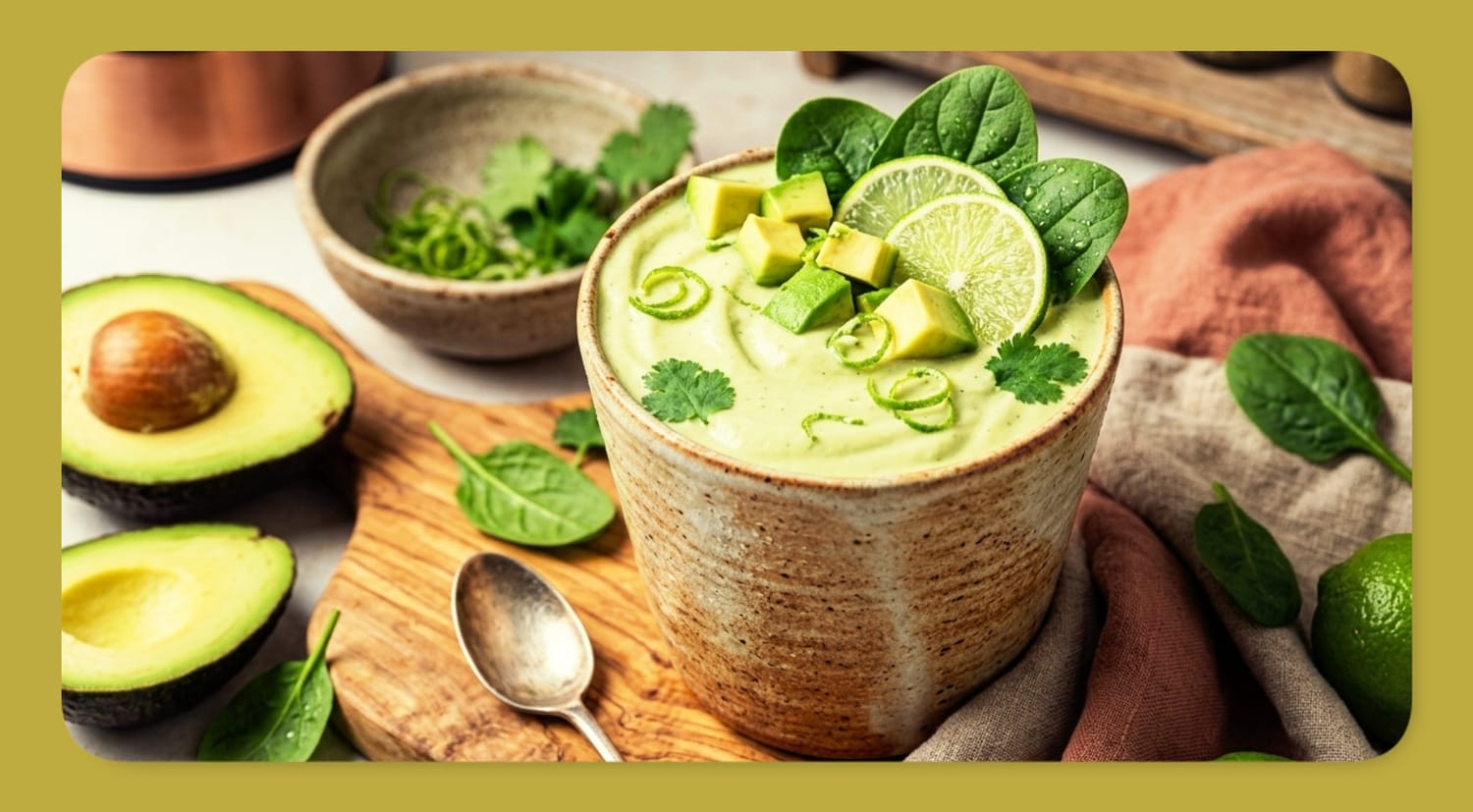
Refreshing Low-Sugar Avocado Lime Smoothie: Green Creaminess Without the Guilt
Creamy avocado, zesty lime, fresh spinach, and hydrating coconut water in one gorgeous glass
Most smoothies hide a dirty little secret. Despite looking healthy with their vibrant colors and promises of fruit-filled goodness, many pack as much sugar as a candy bar. That's where this Low-Sugar Avocado Lime Smoothie breaks all the rules. It delivers the creamy, satisfying, delicious smoothie experience you crave with a fraction of the sugar found in typical recipes. The star ingredient? Ripe, buttery avocado that creates an impossibly silky texture without any banana, mango, or other high-sugar fruits.
Bright lime juice cuts through the richness with a zesty, citrus punch that wakes up your taste buds. Fresh spinach sneaks in a boost of vitamins and minerals without affecting the flavor. Hydrating coconut water ties everything together with subtle tropical sweetness and essential electrolytes. The result is a gorgeous green smoothie that tastes indulgent, keeps you full for hours, and supports your low-sugar or keto lifestyle without a single compromise.
✨What Makes This Low-Sugar Avocado Lime Smoothie Special
Traditional green smoothies often rely on banana for creaminess and sweetness. While banana is a whole food, it brings 14 grams of sugar per fruit, which adds up quickly when you're watching your carbohydrate intake. This recipe takes a completely different approach by using avocado as the creamy base instead.
Avocado is nature's butter. When blended, it transforms into a velvety, luscious texture that rivals any dairy-based smoothie without adding significant sugar. In fact, half an avocado contains less than 1 gram of sugar while delivering 10 grams of satisfying healthy fats. Those fats keep you feeling full, stabilize your blood sugar, and provide sustained energy that lasts all morning.
The lime juice is more than just a flavor addition. Its bright acidity balances the richness of the avocado, preventing the smoothie from tasting heavy or one-dimensional. Lime also adds vitamin C and enhances the absorption of iron from the spinach, making this smoothie more nutritious on multiple levels.
What truly sets this smoothie apart is how clean and refreshing it tastes. Where many low-sugar recipes feel like sacrifices, this one feels like a treat. It's the smoothie you actually want to drink, not the one you choke down because you're supposed to.
🛒Ingredients and Their Roles
Every ingredient in this smoothie serves a specific purpose, working together to create a low-sugar, nutrient-dense, incredibly creamy experience.
🥑 Base Ingredients
🍋 Flavor Ingredients
✚ Optional Sweetener and Add-ins
🔄Step-by-Step Blending Instructions
This smoothie comes together in minutes with virtually no prep work required. Follow these steps for the smoothest, most vibrant result.
🎯Texture and Consistency Guide
The texture of this smoothie should be creamy, smooth, and satisfying. Here's how to achieve perfection and troubleshoot any issues.
🎨Customization Matrix
This base recipe is a flexible starting point. Customize it to match your flavor preferences, dietary goals, or whatever ingredients you have on hand.
Tropical Green Version
Add 1/4 cup frozen pineapple chunks to the blend. This adds approximately 5 grams of sugar, which is still significantly lower than most fruit-based smoothies. The pineapple brings a tropical sweetness that pairs beautifully with the lime and coconut water, creating a smoothie that tastes like a healthy piña colada with a green twist.
Extra Creamy Keto Version
Add 2 tablespoons of full-fat coconut cream and 1 tablespoon of MCT oil to the blend. This increases the fat content significantly, making the smoothie more satiating and better suited for those following a strict ketogenic diet. The additional fat also creates an even silkier, more luxurious texture.
Mojito-Inspired Version
Add 8 to 10 fresh mint leaves and increase the lime juice to 3 tablespoons. This creates a smoothie that tastes like a virgin mojito, refreshing, herbal, and bright. For an adult version at weekend brunch, add a splash of rum (note that alcohol adds calories and affects ketosis).
Protein-Packed Version
Add one scoop of unflavored or vanilla plant-based protein powder and one tablespoon of hemp hearts. This transformation turns the smoothie into a complete post-workout meal with 20 to 25 grams of protein. Unflavored protein powder is preferred here to avoid competing with the lime and avocado flavors.
Gut Health Version
Add 1 tablespoon of fresh ginger (peeled and roughly chopped) and 1 tablespoon of fresh lemon juice in addition to the lime. Ginger supports digestion, reduces bloating, and adds a warming, slightly spicy kick. Lemon amplifies the citrus brightness and provides additional digestive benefits.
Cucumber Spa Version
Add 1/4 medium cucumber (peeled and chopped) and 6 to 8 fresh mint leaves. This creates an incredibly refreshing, spa-like smoothie that feels cooling and rejuvenating. The cucumber adds hydration with virtually no additional sugar, and the mint contributes a clean, aromatic finish.
Chocolate Green Version
Add 1 tablespoon of unsweetened cocoa powder and increase the sweetener to 1 tablespoon of monk fruit sweetener. This creates a surprisingly delicious chocolate-lime combination (think chocolate-covered lime candies) while maintaining the low-sugar profile. The color will shift from bright green to a deeper green-brown, but the flavor is worth it.
Nut-Free and Keto-Friendly
The base recipe is already nut-free since it uses coconut water rather than nut milk. To add creaminess without nuts, use full-fat coconut milk in place of some of the coconut water. This substitution keeps the recipe safe for those with tree nut allergies while adding extra richness.
🏆Nutritional Benefits Breakdown
This smoothie delivers exceptional nutrition with a focus on healthy fats, low sugar, and whole food ingredients.
🥑 Avocado: A Healthy Fat Powerhouse
Avocado is rich in monounsaturated fatty acids (MUFAs), particularly oleic acid, the same heart-healthy fat found in olive oil. MUFAs support cardiovascular health by helping reduce LDL ("bad") cholesterol while maintaining or increasing HDL ("good") cholesterol. Beyond heart health, the fats in avocado promote satiety, keeping you full and satisfied for hours after drinking this smoothie. A single half avocado also provides approximately 5 grams of fiber, which supports digestive health and helps stabilize blood sugar levels.
📉 Minimal Blood Sugar Impact
With only approximately 5 to 7 grams of total sugar per serving (primarily from coconut water), this smoothie has a minimal impact on blood sugar. For comparison, a typical fruit smoothie can contain 30 to 50 grams of sugar per serving. The combination of healthy fats from avocado and fiber from spinach further slows the absorption of any natural sugars, preventing the blood sugar spikes and energy crashes associated with high-sugar beverages. This makes the smoothie ideal for those managing blood sugar, following a low-carb or keto diet, or simply trying to reduce sugar intake.
🍋 Vitamin C and Immune Support
Fresh lime juice delivers a significant dose of vitamin C, a powerful antioxidant that supports immune function, skin health, and collagen production. Vitamin C also enhances the absorption of non-heme iron from the spinach, making the iron in this smoothie more bioavailable to your body. This is particularly valuable for those following plant-based diets who may rely on non-heme iron sources.
💧 Electrolytes and Hydration
Coconut water is a natural source of electrolytes, particularly potassium, magnesium, and sodium. These minerals are essential for maintaining fluid balance, supporting muscle function, and preventing dehydration. Starting your day with an electrolyte-rich smoothie helps you begin properly hydrated, which supports energy levels, cognitive function, and overall well-being.
🥬 Spinach: Nutrient Density Without the Sugar
Spinach is one of the most nutrient-dense foods available, packing vitamin K, vitamin A, folate, iron, and magnesium into a very small calorie and carbohydrate package. One cup of fresh spinach contains less than 1 gram of sugar while delivering significant nutritional value. Including spinach in this smoothie boosts its vitamin and mineral content substantially without adding any sweetness or changing the flavor profile.
❤️ Potassium for Heart and Muscle Health
Between the avocado, coconut water, and spinach, this smoothie delivers a substantial amount of potassium, a mineral that many people don't get enough of. Potassium helps regulate blood pressure, supports proper muscle contractions, and works alongside sodium to maintain fluid balance. Adequate potassium intake is associated with reduced risk of stroke and heart disease.
📊 Approximate Nutrition Per Serving (Base Recipe)
Note: Exact values vary based on avocado size, coconut water brand, and optional add-ins. Calculate with your preferred tracking app for precision.
⚙️Equipment Recommendations
The right equipment ensures a perfectly smooth, vibrant green smoothie every time.
Blender Options
A high-speed blender (Vitamix, Blendtec, or similar) pulverizes the spinach completely, leaving no visible green flecks, and creates the smoothest possible avocado consistency. High-speed blenders also incorporate air into the blend, creating a slightly lighter, more pleasant texture.
A Ninja or KitchenAid blender handles this recipe well. The key is blending the spinach with the coconut water first, as described in the instructions, before adding the avocado. This two-stage approach compensates for the slightly lower blade speed.
A standard blender works for this recipe with some patience. Blend the spinach and liquid for a full 30 seconds before adding other ingredients. You may need to scrape down the sides and blend again to achieve a fully smooth consistency. The avocado itself is soft enough that most blenders can handle it without difficulty.
A bullet-style blender (NutriBullet or similar) is convenient for single servings. Load ingredients in the order specified (liquid first, spinach next, then avocado and lime). Blend in longer pulses, shaking the cup between pulses if ingredients get stuck above the blades.
Helpful Extras
- Sharp knife for cutting the avocado in half and removing the pit safely. A chef's knife or santoku knife works best.
- Spoon for scooping the avocado flesh cleanly from the skin.
- Citrus juicer or reamer for extracting maximum juice from the lime with minimal effort. A simple wooden reamer is inexpensive and effective.
- Microplane or fine grater for zesting the lime. This tool removes only the flavorful outer layer without including the bitter white pith.
- Fine mesh strainer (optional) for straining the smoothie if you prefer an ultra-silky consistency with absolutely no texture. Most people find straining unnecessary with a good blender.
- Clear glass for serving, which showcases the beautiful green color and makes the smoothie more visually appealing.
📦Storage and Meal Prep Tips
🥑Avocado Selection and Storage
Choosing the right avocado is crucial for this recipe. Look for avocados that yield slightly to gentle pressure, similar to a ripe peach. Avoid avocados with soft spots, dark bruises, or loose, rattling pits (which indicate overripeness). If your avocados are too firm, place them in a paper bag with a banana or apple at room temperature for one to two days to accelerate ripening. Once ripe, avocados can be stored in the refrigerator for an additional two to three days to slow further ripening.
❄️Pre-Portioned Avocado
If you buy avocados in bulk, you can prep them for freezing to extend their usability. Cut ripe avocados in half, remove the pit, scoop out the flesh, and toss the pieces with a small amount of lime juice (about one teaspoon per avocado) to prevent browning. Freeze the pieces on a parchment-lined baking sheet, then transfer to a freezer bag once solid. Frozen avocado keeps for up to four months and can be added directly to the blender. The texture changes slightly after freezing (less silky, more icy), but it works perfectly well in smoothies.
🥬Spinach Prep
Buy pre-washed baby spinach in bulk and store it in the original container or transfer to an airtight container lined with a paper towel to absorb excess moisture. Fresh spinach keeps for five to seven days when stored properly. For longer storage, freeze spinach in smoothie-sized portions (one cup per bag). Frozen spinach blends seamlessly and eliminates any worry about using it before it wilts.
📦Smoothie Ingredient Kits
Prepare grab-and-go smoothie kits by placing pre-portioned spinach and frozen avocado chunks in individual freezer bags or reusable silicone bags. Label each bag with the recipe name. When ready to blend, dump the frozen contents into the blender, add fresh coconut water and lime juice, and blend. This approach reduces morning prep time to under two minutes.
🥥Coconut Water Tips
Once opened, coconut water should be refrigerated and used within five to seven days. If you don't go through coconut water quickly, consider buying it in smaller single-serve cartons or cans to minimize waste. Alternatively, freeze coconut water in ice cube trays and use the cubes directly in the blender. This keeps the smoothie extra cold while using up coconut water before it spoils.
🕐Fresh Smoothie Storage
This smoothie is best consumed immediately after blending. Avocado oxidizes quickly, and the vibrant green color can turn brownish within 30 to 60 minutes. If you must store it, pour into an airtight jar, press plastic wrap directly onto the surface of the smoothie (minimizing air contact), seal the jar, and refrigerate for up to four hours. The flavor will remain good, but the color may darken. Give it a vigorous shake or stir before drinking.
🍽️Serving Suggestions and Presentation
The striking green color of this smoothie makes presentation easy. A few thoughtful touches take it from simple to stunning.
Garnish Ideas
- Thin lime wheel or half-moon slice placed on the rim of the glass adds a classic, elegant touch that instantly communicates the key flavor.
- Sprinkle of lime zest across the surface creates a vibrant pop of green and releases aromatic lime oils that enhance the drinking experience.
- A few thin avocado slices fanned on top showcase the star ingredient and add visual interest.
- Fresh mint sprig tucked into the smoothie adds a spa-like, refreshing aesthetic that makes the drink feel special.
- Chia seeds sprinkled lightly across the surface add subtle texture and visual contrast while boosting nutrition.
- A light drizzle of extra virgin olive oil creates a beautiful, glossy swirl on top and adds an additional boost of healthy fats. This is a sophisticated touch that works especially well for adult audiences.
Glassware Choices
The ideal choice for showcasing the smoothie's beautiful green color. The transparency allows the vibrant hue to take center stage.
Creates a casual, approachable aesthetic that feels fresh and healthy. Add a reusable straw and take it on the go.
Elevates the presentation for brunch gatherings or when you want to make the smoothie feel more like a special occasion drink.
For a thicker, bowl-style version, this reinforces the tropical, coconut-forward theme and creates an Instagram-worthy presentation.
Pairing Ideas
- Alongside eggs or a veggie omelet for a complete low-carb, high-fat breakfast that keeps you satisfied until lunch.
- With a small handful of macadamia nuts or almonds for additional healthy fats and a satisfying crunch.
- Paired with avocado toast on low-carb bread for a double-avocado breakfast that's rich in healthy fats and fiber.
- After a morning yoga or workout session as a refreshing, hydrating post-exercise drink.
- As a mid-afternoon pick-me-up when you need sustained energy without a sugar crash.
🎉 Smoothie Bar Idea
Create a DIY Low-Sugar Smoothie Bar for brunch guests or a wellness-themed gathering. Set out the blender, pre-measured portions of spinach and avocado, coconut water, fresh limes, and optional add-ins like mint, cucumber, ginger, and protein powder. Let guests customize their own smoothies while you explain the low-sugar approach. It's an interactive, health-forward activity that sparks conversation and introduces people to a new way of thinking about smoothies.
❓Frequently Asked Questions
QWhy avocado instead of banana for creaminess?
Banana is the traditional smoothie thickener, but it brings approximately 14 grams of sugar per fruit. For those watching their sugar or carbohydrate intake, banana can derail their goals. Avocado provides the same creamy, thick texture with less than 1 gram of sugar per half fruit while adding heart-healthy monounsaturated fats that support satiety and stable energy. The trade-off is a milder, less sweet flavor, which this recipe balances with lime and optional sweetener.
QDoes this smoothie taste like avocado?
The avocado flavor is present but mild and pleasant. It contributes richness and creaminess rather than a dominant "avocado" taste. The lime juice and zest do most of the flavor work, creating a bright, citrusy profile that takes center stage. Most people who don't enjoy eating plain avocado find it perfectly enjoyable in this smoothie because the other flavors balance and complement it.
QCan I use frozen avocado instead of fresh?
Yes. Frozen avocado works well in smoothies and creates a thicker, frostier consistency. The texture of frozen avocado is slightly less silky than fresh, but the difference is minimal once blended with other ingredients. Frozen avocado also eliminates the challenge of finding a perfectly ripe avocado at the right moment. Many grocery stores sell frozen avocado chunks in the freezer section.
QIs coconut water keto-friendly?
Coconut water is relatively low in sugar compared to fruit juices, but it does contain approximately 6 grams of sugar per cup. For strict keto dieters limiting carbs to 20 grams or fewer per day, this may consume a significant portion of the daily allowance. To reduce the sugar further, replace half or all of the coconut water with unsweetened almond milk or plain water. The smoothie will lose some of the subtle sweetness and electrolyte benefits, but it will still taste delicious.
QCan I add fruit to this smoothie?
You can, but it will increase the sugar content. If you're comfortable with a slightly higher sugar level, 1/4 cup of frozen berries (particularly raspberries or blackberries, which are lower in sugar) or 1/4 cup of frozen pineapple can be added without dramatically changing the low-sugar profile. Avoid high-sugar fruits like mango, grapes, or banana if your primary goal is minimizing sugar.
QHow do I prevent the smoothie from turning brown?
Avocado oxidizes quickly when exposed to air, causing the smoothie to turn from bright green to brownish-green over time. The lime juice in this recipe helps slow oxidation because vitamin C is an antioxidant. To further prevent browning, blend and serve immediately. If storing is necessary, press plastic wrap directly onto the surface of the smoothie before sealing the container. A quick re-blend before drinking can also help restore some of the color and texture.
QCan I make this without a high-speed blender?
Yes, with a few adjustments. Blend the spinach and coconut water first for a full 30 seconds before adding the avocado and lime. This ensures the spinach is completely broken down. If your blender struggles with the thick consistency, add coconut water one tablespoon at a time to help it move. The smoothie may not be quite as silky-smooth as one made in a high-speed blender, but it will still taste great.
QIs this smoothie suitable for intermittent fasting?
It depends on your fasting protocol. This smoothie contains calories and macronutrients (primarily from avocado), which will break a strict fast. However, some intermittent fasting approaches allow low-carb, high-fat foods during the eating window because they don't spike insulin significantly. If your fasting protocol is flexible, this smoothie can be an excellent way to break your fast gently. For strict water-only fasting, consume this smoothie only during your designated eating window.
QCan children enjoy this smoothie?
Absolutely. This smoothie is made from whole, natural ingredients and is free from added sugars, artificial sweeteners, and common allergens (in its base form). The lime flavor is bright and kid-friendly, and the creamy avocado texture appeals to many children. If your child prefers sweeter drinks, add a small amount of monk fruit sweetener or a quarter cup of frozen pineapple to increase sweetness while keeping sugar relatively low.
📖Glossary of Key Terms
A type of healthy dietary fat found in avocados, olive oil, and nuts. MUFAs are associated with reduced LDL cholesterol, improved heart health, and better blood sugar control. They remain liquid at room temperature and are considered a cornerstone of the Mediterranean diet.
Total carbohydrates minus fiber (and in some calculations, certain sugar alcohols). Net carbs represent the carbohydrates that significantly impact blood sugar. This measurement is commonly used by those following low-carb or ketogenic diets.
A very low-carbohydrate, high-fat diet that shifts the body's metabolism toward burning fat for fuel instead of glucose. The typical keto diet limits net carbs to 20 to 50 grams per day. This smoothie fits within keto macros for most people.
Medium-Chain Triglyceride Oil, a concentrated oil derived from coconut or palm kernel oil. MCTs are absorbed and metabolized quickly, providing rapid energy without spiking blood sugar. MCT oil is popular among keto dieters and those practicing intermittent fasting.
Minerals in the body that carry an electrical charge, including potassium, sodium, magnesium, and calcium. Electrolytes regulate fluid balance, muscle contractions, and nerve signaling. Coconut water is a natural source of several key electrolytes.
A chemical reaction that occurs when certain foods are exposed to air. In avocados, oxidation causes the flesh to turn brown. While not harmful, it affects the visual appeal of the smoothie. Citrus juice (like lime) slows oxidation due to its antioxidant vitamin C content.
The form of iron found in plant foods like spinach. It is absorbed less efficiently than heme iron (found in animal products), but absorption can be significantly improved by consuming vitamin C at the same time, which is why the lime juice in this recipe is nutritionally strategic.
The feeling of fullness and satisfaction after eating. Foods high in healthy fats, fiber, and protein promote greater satiety, helping reduce overall calorie intake by keeping hunger at bay longer between meals.
Share Your Success
Made this Low-Sugar Avocado Lime Smoothie? I'd love to see your beautiful green creation! Snap a photo of your finished smoothie and pin it to your healthy smoothie or low-carb recipe board on Pinterest. Tag your post so other low-sugar enthusiasts can discover this recipe and enjoy their own creamy, refreshing, guilt-free sipping.
Did you try one of the customization options? Discover a flavor combination that worked surprisingly well? Have tips for choosing the perfect avocado? Leave a comment below and share your experience. Your insights, photos, and feedback help build a community of smoothie lovers who are proving that delicious and low-sugar absolutely belong in the same glass.
Here's to creamy, refreshing, sugar-smart sipping that feels as good as it tastes! 🥑💚
More Delicious Smoothies to Try
Affiliate Disclosure
This page may contain affiliate links. This means that if you click on one of these links and make a purchase, I may receive a small commission at no additional cost to you. This helps support the blog and allows me to continue creating free content. I only recommend products or services that I use personally and believe will add value to my readers. Your support is appreciated!
Created with ©simplyhealthynews