
Refreshing Gluten-Free Tropical Green Smoothie: Celiac-Safe Morning Bliss
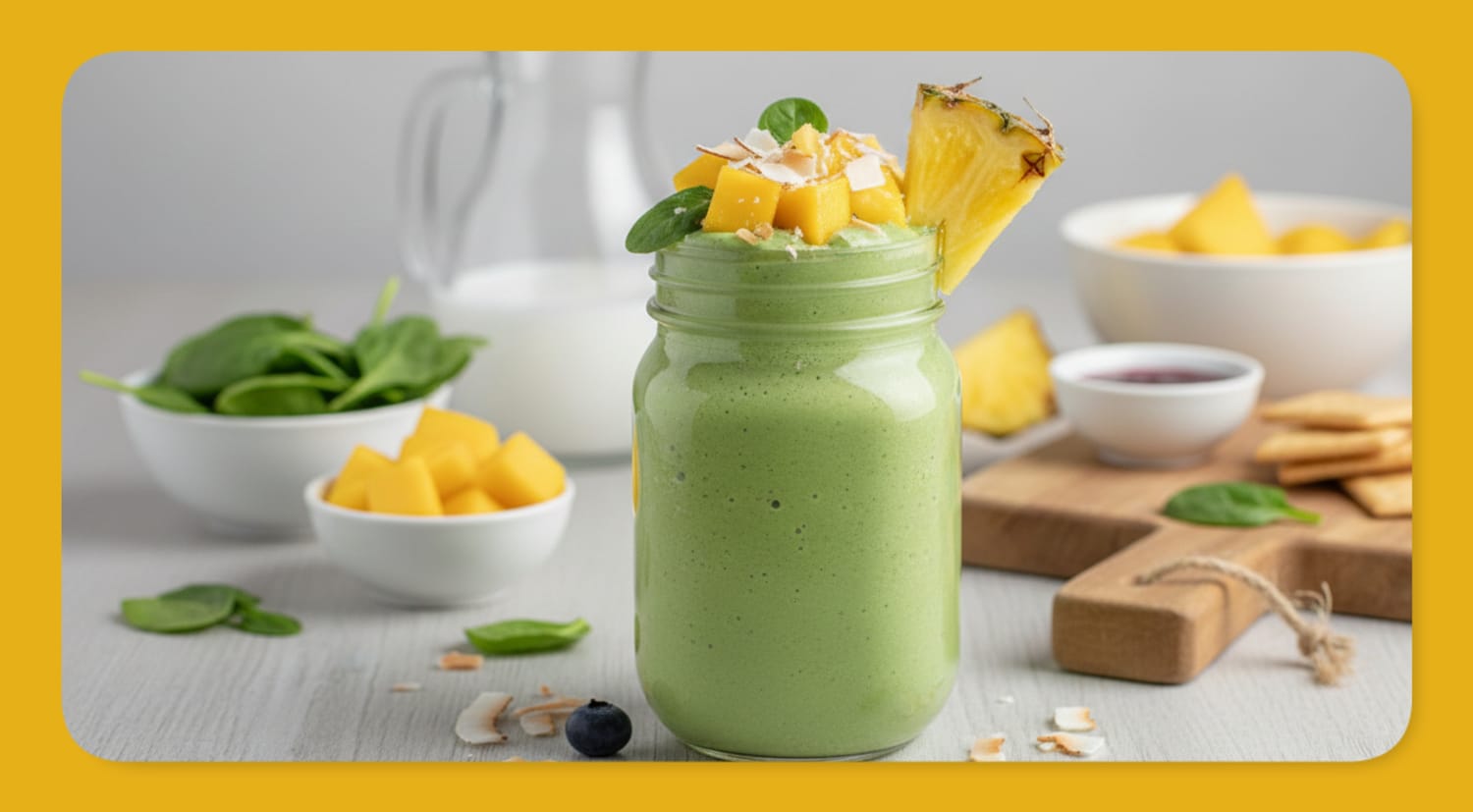
Bright mango sweetness mingles with tangy pineapple as a wave of tropical flavor washes over your taste buds. The color is stunning, a vibrant emerald green that looks like liquid sunshine filtered through palm leaves. And despite that gorgeous green hue, there's not a hint of "grassy" or "healthy" taste. Just pure tropical paradise that happens to be completely, reliably, 100% gluten-free.
Living with celiac disease or gluten sensitivity means constantly reading labels, questioning ingredients, and worrying about cross-contamination. Breakfast shouldn't feel like a research project. Yet so many convenient morning options hide gluten in unexpected places, from protein powders with barley to smoothie mixes with wheat-based thickeners. This smoothie eliminates that mental load entirely. Every single ingredient is naturally gluten-free, sourced from whole foods that never touched a wheat field.
The recipe came together after realizing that the simplest ingredients often create the most satisfying results. Fresh spinach disappears completely into the tropical fruit blend, adding vitamins and minerals without any trace of vegetable flavor. Coconut water provides natural electrolytes and a subtle sweetness that amplifies the mango and pineapple. The result is a smoothie that feels like vacation in a glass, one that anyone with celiac disease can enjoy with complete peace of mind.
What Makes This Smoothie Special
- Certified Celiac-Safe: Made entirely from naturally gluten-free whole foods with no hidden additives, fillers, or cross-contamination risks when you source ingredients carefully
- Tropical Flavor That Hides the Greens: Two cups of spinach vanish completely into the sweet mango and pineapple, making this perfect for anyone who thinks they hate green smoothies
- Natural Hydration Boost: Coconut water provides electrolytes and hydration, making this ideal for morning energy or post-workout recovery
- Vibrant Instagram-Worthy Color: That gorgeous emerald green looks stunning in photos and proves healthy food can be beautiful
- Five Ingredients, Five Minutes: No complicated prep, no obscure superfoods, just simple whole ingredients that blend into breakfast perfection
Ingredients
Base Ingredients
| Ingredient | Amount | Notes |
|---|---|---|
| Fresh spinach | 2 cups packed (60g) | Baby spinach blends smoothest |
| Frozen mango chunks | 1 cup (150g) | Provides creaminess and natural sweetness |
| Frozen pineapple chunks | 1/2 cup (80g) | Adds tropical tang and digestive enzymes |
| Coconut water | 1 cup (240ml) | Verify gluten-free certification on label |
| Frozen banana | 1/2 medium (60g) | Optional, for extra creaminess and sweetness |
Gluten-Free Protein Boosters (Optional)
- 1 scoop certified gluten-free vanilla protein powder (look for third-party GF certification)
- 2 tablespoons hemp seeds for 6g plant-based protein
- 1/2 cup plain Greek yogurt (verify gluten-free) for 12g protein
- 2 tablespoons almond butter for 7g protein and healthy fats
Nutritional Add-Ins (Optional)
- 1 tablespoon chia seeds for omega-3s and fiber
- 1 tablespoon ground flaxseed for additional fiber
- 1/2 teaspoon fresh ginger for digestive support and zing
- 1/4 avocado for creamy texture and healthy fats
- Juice of 1/2 lime for brightness and vitamin C
Topping Ideas (For Smoothie Bowls)
- Fresh mango cubes
- Toasted coconut flakes (verify gluten-free)
- Chia seeds
- Certified gluten-free granola
- Sliced kiwi
- Passion fruit seeds
Blending Instructions and Technique
A. Preparation
No advance prep needed for this simple recipe. If using fresh fruit instead of frozen, add 1 cup of ice cubes to achieve the proper thick, cold texture. Ensure spinach is washed and any tough stems are removed.
Celiac Safety Note: Before blending, verify that your blender has been thoroughly cleaned if previously used for gluten-containing ingredients. A quick wash with hot soapy water eliminates any cross-contamination risk.
B. Blend Order and Layering
The order matters significantly for green smoothies. Following this sequence ensures the spinach fully breaks down and disappears into the fruit.
- Add coconut water first. This creates the liquid base that allows the blender to work efficiently.
- Add spinach next. Dropping greens in early ensures they blend completely into the liquid before fruit is added.
- Blend spinach and liquid for 15 to 20 seconds. This step is crucial. You should see a bright green liquid with no visible leaf pieces.
- Add frozen fruit last. Drop in mango, pineapple, and banana (if using) on top of the green mixture.
- Add any protein boosters or extras before the final blend.
C. Blending Technique
Start on low speed for 5 seconds to break up frozen fruit chunks. Increase to high speed and blend for 45 to 60 seconds until completely smooth. The motor sound will shift from choppy and strained to smooth and consistent when the smoothie is ready.
Color Checkpoint: The finished smoothie should be a vibrant, uniform emerald green. If you see pale streaks (fruit not blended) or dark green flecks (spinach pieces), continue blending for another 20 seconds.
Consistency Checkpoint: The smoothie should be thick enough to coat a spoon but still flow smoothly. Think melted soft-serve ice cream rather than juice.
Troubleshooting During Blending:
- Blender struggling? Stop, add 2 tablespoons more coconut water, and resume.
- Seeing spinach flecks? Blend on high for another 30 seconds. Baby spinach blends more easily than mature spinach.
- Too icy? Let frozen fruit thaw for 3 to 5 minutes before blending.
D. Smoothie Bowl Variation
For a thick, spoonable bowl, reduce coconut water to 1/2 cup (120ml) and add an extra 1/4 cup frozen mango. Blend until the mixture is thick like soft-serve ice cream. The spoon should stand upright in the finished bowl.
Pour into a chilled bowl and arrange toppings in rows for that Pinterest-perfect presentation. Fresh mango, toasted coconut, and a sprinkle of chia seeds create beautiful contrast against the green base.
E. Finishing and Serving
Pour into a tall glass or your favorite smoothie cup. For an extra tropical touch, add a wedge of fresh pineapple to the rim. Serve immediately for the best texture and maximum nutrition.
Pro Tip: If you love extra-cold smoothies, chill your glass in the freezer for 10 minutes before pouring.
Texture and Consistency Guide
For Drinkable Smoothies
| Problem | Solution |
|---|---|
| Too thin or watery | Add 1/4 cup more frozen mango or 3 to 4 ice cubes |
| Too thick | Add coconut water 1 tablespoon at a time until pourable |
| Gritty texture | Blend longer on high speed, especially if using seeds or protein powder |
| Visible spinach pieces | Blend greens with liquid first, then add fruit and blend again |
Ideal Consistency Indicators
- Perfect Drinkable Texture: Thick enough to feel satisfying but flows through a straw without clogging
- Color Check: Vibrant emerald green, uniform throughout with no streaks or specks
- Taste Test: Sweet tropical flavor with no bitter or grassy notes
For Smoothie Bowls
- Perfect Bowl Consistency: Holds shape when scooped, similar to frozen yogurt
- The Spoon Test: A spoon should stand upright in the center without falling
- Topping Tip: Add toppings within 2 minutes of pouring, before the surface begins to melt
Customization Matrix
Liquid Base Options
| Type | Options | Best For |
|---|---|---|
| Coconut | Coconut water, light coconut milk | Tropical flavor, natural electrolytes |
| Nut-Based | Almond milk, cashew milk | Creamier texture, neutral flavor |
| Light | Plain water, green tea (cooled) | Lowest calorie, subtle flavor |
| Juice | Orange juice, pineapple juice | Extra sweetness, more tropical punch |
Gluten-Free Protein Boosters
| Source | Amount | Protein Added | Notes |
|---|---|---|---|
| Hemp seeds | 2 tablespoons | 6g | Adds nutty flavor, no certification needed |
| Certified GF protein powder | 1 scoop | 20 to 25g | Always verify third-party certification |
| Greek yogurt | 1/2 cup | 12g | Verify brand is gluten-free |
| Almond butter | 2 tablespoons | 7g | Makes smoothie richer and more filling |
| Chia seeds | 2 tablespoons | 4g | Also adds fiber and omega-3s |
Green Alternatives
| Instead of Spinach | Try | Flavor Impact |
|---|---|---|
| Baby kale | 1 cup | Slightly earthier, still mild |
| Romaine lettuce | 2 cups | Very mild, high water content |
| Swiss chard | 1 cup | Slightly mineral taste |
| Mixed power greens | 2 cups | Varies by blend |
Tropical Fruit Variations
| Swap | For | Flavor Change |
|---|---|---|
| Mango | Papaya | Creamier, more musky sweetness |
| Pineapple | Passion fruit | Tangier, more aromatic |
| Add | Fresh coconut meat | Richer, more decadent |
| Add | Frozen peaches | Softer, honey-like sweetness |
Natural Sweeteners (If Needed)
- 1 to 2 pitted Medjool dates for caramel sweetness
- 1 tablespoon pure maple syrup (verify gluten-free)
- Extra ripe banana for natural fruit sugar
- 1 tablespoon raw honey for floral notes
Chef's Tips for Success
- Blend greens first, always. The secret to a smooth green smoothie is blending spinach with liquid before adding fruit. This ensures no leafy chunks end up in your final drink.
- Use baby spinach for best results. Baby spinach has more tender leaves that blend more easily than mature spinach. It also has a milder flavor that disappears completely into tropical fruit.
- Freeze fruit in advance. Buy fresh mango and pineapple when ripe, cut into chunks, and freeze on a parchment-lined tray. Transfer to freezer bags once solid. This saves money compared to pre-frozen fruit.
- Verify every ingredient. Even "obviously" gluten-free items like coconut water can be processed in facilities with wheat. Look for certified gluten-free labels or contact manufacturers if you have celiac disease.
- Clean your blender thoroughly. If your blender has been used for gluten-containing items (like protein shakes with non-GF powder), wash all components with hot soapy water before making this smoothie.
- Adjust sweetness naturally. If your smoothie tastes too "green," add extra mango or a few dates. Riper fruit always tastes sweeter, so use the ripest bananas and mangos you can find.
- Make smoothie packs for the week. Portion spinach, mango, and pineapple into freezer bags each Sunday. Morning prep becomes: dump bag contents into blender, add coconut water, blend, done.
Nutritional Benefits
This smoothie delivers impressive nutrition from simple, whole food ingredients. Here's what each serving provides:
- Vitamin C Powerhouse (150% Daily Value) from mango and pineapple for immune support, collagen production, and enhanced iron absorption.
- Vitamin A and K from Spinach for eye health, bone strength, and blood clotting. Two cups of spinach provide over 100% of daily vitamin K needs.
- Natural Electrolytes from Coconut Water including potassium, sodium, and magnesium for hydration, muscle function, and post-workout recovery.
- Bromelain from Pineapple for digestive support and reduced inflammation. This enzyme helps break down protein and may ease digestive discomfort.
- Fiber for Digestive Health (5g) from fruit and spinach to support gut health, promote regularity, and feed beneficial gut bacteria.
- Zero Gluten Cross-Contamination Risk when ingredients are sourced carefully. Whole fruits and vegetables are inherently gluten-free.
Macro Breakdown (Per Serving, Base Recipe)
| Nutrient | Amount |
|---|---|
| Calories | ~220 kcal |
| Protein | 4g |
| Carbohydrates | 52g |
| Fiber | 5g |
| Fat | 1g |
| Sugar | 38g (natural from fruit) |
With Protein Boost (Add 1 Scoop GF Protein Powder)
| Nutrient | Amount |
|---|---|
| Calories | ~340 kcal |
| Protein | 24g |
| Carbohydrates | 55g |
| Fiber | 5g |
| Fat | 2g |
| Sugar | 40g (natural from fruit) |
Why This Matters
For those with celiac disease, finding safe breakfast options that actually taste good can feel exhausting. This smoothie offers complete peace of mind alongside genuine nutrition. The natural sugars from fruit provide quick morning energy, while fiber ensures that energy releases steadily rather than spiking and crashing. Adding protein makes this a complete meal that satisfies until lunch.
Best Blender Types and Equipment
High-Speed Blenders (Ideal for Green Smoothies)
Vitamix, Blendtec, and Ninja Professional models excel at pulverizing leafy greens into completely smooth textures. If you make green smoothies regularly, investing in a high-speed blender eliminates any risk of leafy chunks.
Standard Blenders (Works Well)
Most kitchen blenders handle this recipe nicely, especially when you blend greens with liquid first. Cut frozen fruit into smaller pieces if your blender struggles, and let fruit thaw for 3 to 5 minutes before blending.
Personal Blenders (Convenient)
NutriBullet and similar personal blenders work great for single servings. The key is not overfilling past the MAX line and using baby spinach for easiest blending.
Blender Cleaning for Celiac Safety
If your blender has been used for gluten-containing recipes, take extra precautions:
- Disassemble all removable parts
- Wash with hot soapy water, scrubbing blade area carefully
- Rinse thoroughly
- Air dry completely before use
Helpful Tools
- Wide smoothie straws for comfortable sipping
- Mason jars for storage and grab-and-go convenience
- Silicone ice cube trays for freezing leftover smoothie
- Freezer bags for meal prep smoothie packs
- Citrus juicer if adding lime juice regularly
Storage, Prep, and Serving
Immediate Serving (Best Option)
This smoothie tastes best within 15 minutes of blending when the color is brightest and texture is perfect. Pour into a chilled glass and enjoy right away for maximum nutrition and visual appeal.
Short-Term Storage
Refrigerate in an airtight container for up to 24 hours. The smoothie will separate naturally, and the color may darken slightly due to oxidation. This is normal and doesn't affect safety or nutrition. Shake or stir vigorously before drinking.
Pro Tip: Add a squeeze of lime juice before storing. The vitamin C slows oxidation and keeps the color brighter longer.
Make-Ahead Smoothie Packs
Prep a week's worth of smoothies in under 20 minutes:
- Wash and dry spinach
- Portion 2 cups spinach into each freezer bag
- Add 1 cup frozen mango chunks and 1/2 cup frozen pineapple chunks to each bag
- Label bags with smoothie name and "Add 1 cup coconut water"
- Freeze for up to 3 months
Morning Routine: Dump bag contents into blender, add coconut water, add any protein boosters, blend for 60 seconds, enjoy.
Freezing Finished Smoothies
Pour leftover smoothie into ice cube trays and freeze. Store frozen cubes in labeled freezer bags for up to 1 month. To serve, blend frozen cubes with 1/4 cup fresh coconut water until smooth.
Meal Prep Benefits for Celiac Households
- Eliminates morning decision fatigue
- Ensures safe, gluten-free breakfast is always ready
- Reduces risk of grabbing less-safe convenience foods
- Makes healthy eating effortless on busy days
Serving Suggestions and Occasions
Best Times to Enjoy
- Weekday breakfast for a quick, safe, energizing start
- Post-workout hydration when electrolytes and nutrients matter
- Mid-morning snack to bridge the gap until lunch
- Hot summer afternoons when you want something cold and refreshing
- Travel days when finding safe gluten-free food feels uncertain (prep packs in advance)
Perfect Pairings
- Light breakfast: Enjoy alone or with certified gluten-free toast
- Heartier meal: Pair with gluten-free oatmeal or eggs
- Snack size: Make a half portion for a 110-calorie refresher
Make It a Complete Meal
To transform this into a filling breakfast that lasts until lunch:
- Add 1 scoop certified gluten-free protein powder (20g protein)
- Include 2 tablespoons almond butter (7g protein, healthy fats)
- Blend in 1 tablespoon chia seeds (fiber for lasting fullness)
Special Occasions
- Beach or pool days: Blend and pour into insulated tumblers
- Brunch gatherings: Make a double batch and serve in pretty glasses
- Kids' breakfasts: The sweet tropical flavor appeals to picky eaters
Final Thoughts
Living gluten-free doesn't mean living without delicious, vibrant, satisfying food. This Tropical Green Smoothie proves that safe eating can taste like a vacation, no compromise required. Every ingredient is naturally gluten-free, sourced from whole foods you can trust. No hidden fillers, no mystery additives, no anxious label reading.
The beauty of this recipe lies in its simplicity. Five core ingredients, five minutes of prep, and you have a nutrient-dense breakfast that looks as good as it tastes. The spinach completely disappears into the sweet mango and pineapple, making this perfect for green smoothie skeptics and picky eaters alike. And with the customization options above, you can easily add protein, switch up the greens, or adjust sweetness to your preferences.
Whether you're newly diagnosed with celiac disease and rebuilding your recipe collection, or simply looking for a reliable gluten-free breakfast that never disappoints, this smoothie belongs in your rotation. Your mornings are about to get brighter, greener, and a whole lot more tropical. Here's to safe eating that actually excites you.
Frequently Asked Questions
Yes. Spinach, mango, pineapple, banana, and coconut are all naturally gluten-free whole foods. However, if you have celiac disease, always verify that processed ingredients (like coconut water or protein powder) carry certified gluten-free labels, as cross-contamination during manufacturing is possible.
Not at all. When blended properly, two cups of spinach completely disappear into the tropical fruit. The mango and pineapple flavors dominate entirely. Most people are genuinely surprised to learn there's spinach in this smoothie.
Yes, but add 1 cup of ice cubes to achieve the thick, cold texture that makes smoothies satisfying. Frozen fruit creates that creamy consistency naturally without diluting the flavor.
Hemp seeds are the safest option because they're naturally gluten-free and require no processing. For protein powder, look for products with third-party gluten-free certification (not just "gluten-free" on the label). Greek yogurt and nut butters also boost protein when sourced from verified gluten-free brands.
Oxidation is the likely cause, especially if the smoothie sat before drinking or was stored in the fridge. Add a squeeze of lime or lemon juice to prevent browning. Also ensure you're blending thoroughly and drinking within 15 minutes of making.
You can prepare smoothie packs (spinach and frozen fruit in freezer bags) the night before. For best results, blend fresh in the morning. If you must blend ahead, store in an airtight container with lime juice added, refrigerate, and drink within 24 hours. Shake well before drinking.
Coconut water adds natural electrolytes, subtle sweetness, and tropical flavor that enhances the recipe. Plain water works if needed but creates a less flavorful result. Unsweetened almond milk or orange juice are good alternatives.
Absolutely. The sweet tropical flavor appeals to children, and the ingredients are all naturally gluten-free. Verify that any add-ins (protein powder, granola toppings) are certified gluten-free. This makes a great lunchbox option poured into a sealed thermos.
Glossary of Key Terms
Baby Spinach: Young spinach leaves with tender texture and mild flavor. Blends more smoothly than mature spinach and virtually disappears into fruit-based smoothies.
Bromelain: A natural enzyme found in pineapple that aids protein digestion and may reduce inflammation. Concentrated in the fruit's core but present throughout.
Celiac Disease: An autoimmune condition where gluten consumption damages the small intestine. Requires strict gluten-free diet for life.
Certified Gluten-Free: Products tested and verified to contain less than 20 parts per million of gluten. Look for third-party certification symbols from organizations like GFCO.
Coconut Water: Clear liquid from inside young coconuts. Contains natural electrolytes including potassium and magnesium. Different from coconut milk, which is made from coconut flesh.
Cross-Contamination: When gluten-free foods come into contact with gluten-containing foods or surfaces. A concern for those with celiac disease even with trace amounts.
Electrolytes: Minerals that carry electrical charges and regulate hydration, muscle function, and nerve signaling. Include sodium, potassium, magnesium, and calcium.
Gluten: A protein found in wheat, barley, rye, and their derivatives. Must be strictly avoided by those with celiac disease or gluten sensitivity.
Oxidation: Chemical reaction with oxygen that causes smoothies to darken and lose vibrancy. Slowed by vitamin C (citrus juice) and minimized by immediate consumption.
Smoothie Pack: Pre-portioned freezer bag containing all smoothie ingredients except liquid. Enables quick, grab-and-go smoothie preparation.
Third-Party Certification: Independent testing by organizations (not the manufacturer) verifying gluten-free status. More reliable than self-declared "gluten-free" labels.
Share Your Success!
Has this smoothie become part of your gluten-free breakfast routine? Finding safe recipes that actually taste amazing can feel like striking gold, and I'd love to hear if this one made your regular rotation.
Did you add any protein boosters or try different fruit combinations? What's your go-to gluten-free smoothie hack? Drop a comment below and let me know how it turned out. Your tips might help someone else navigating the gluten-free lifestyle.
Save this recipe to your Pinterest smoothie board so you always have a reliable, celiac-safe breakfast at your fingertips. And if you're building a collection of safe recipes, follow along on Pinterest for more gluten-free smoothie ideas and meal prep inspiration.
Made this tropical green smoothie? Tag me in your photos! I love seeing that vibrant green color in your glasses and bowls. Here's to safe eating that tastes like paradise. Cheers to your health!
More Delicious Smoothies to Try
Affiliate Disclosure
This page may contain affiliate links. This means that if you click on one of these links and make a purchase, I may receive a small commission at no additional cost to you. This helps support the blog and allows me to continue creating free content. I only recommend products or services that I use personally and believe will add value to my readers. Your support is appreciated!
Created with ©simplyhealthynews