
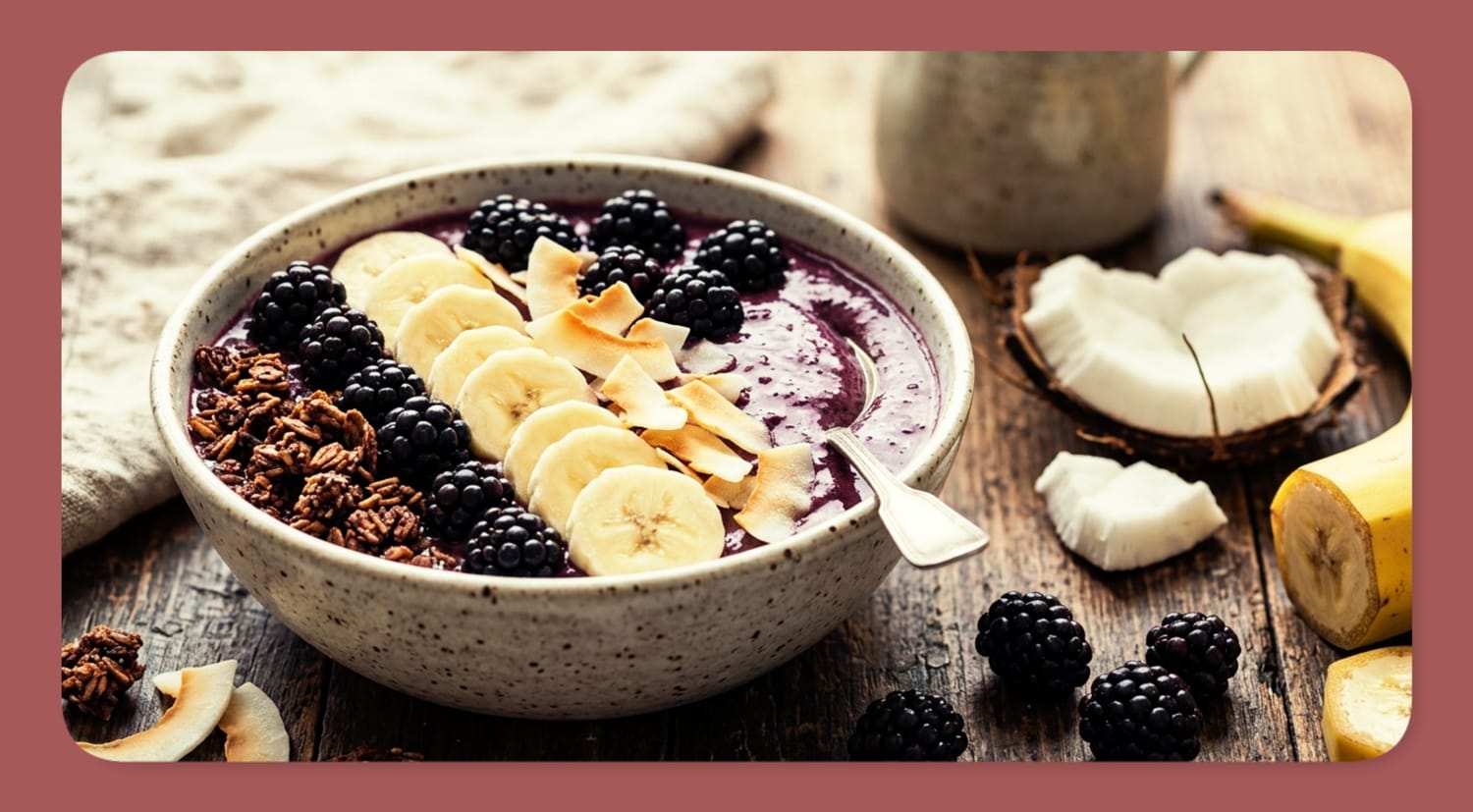
Vibrant Paleo Blackberry Coconut Smoothie Bowl
There's something deeply satisfying about eating breakfast from a bowl with a spoon. It slows you down, makes you present, and transforms a rushed morning meal into a ritual. This Paleo Blackberry Coconut Smoothie Bowl takes that experience to another level. Deep purple blackberries blended with creamy coconut milk and frozen banana create a thick, gorgeous base that looks like edible art. Topped with toasted coconut flakes, fresh berries, and your favorite paleo-friendly additions, it's a breakfast that nourishes your body while feeding your soul.
This isn't just another smoothie bowl recipe. It's specifically designed for those following a paleo lifestyle, which means no dairy, no grains, no refined sugars, and no processed ingredients. Every component is whole, real, and aligned with how our ancestors would have eaten. The result is a breakfast that provides sustained energy, supports stable blood sugar, and tastes like a treat without any of the inflammatory ingredients that leave you feeling sluggish by mid-morning.
What Makes This Paleo Blackberry Coconut Smoothie Bowl Special
Most smoothie bowl recipes rely on yogurt for creaminess and granola for crunch. Neither fits within a strict paleo framework. This recipe reimagines the smoothie bowl using full-fat coconut milk as the creamy base and toasted coconut flakes as the satisfying crunch, creating a bowl that's 100% paleo-compliant without sacrificing any of the indulgent experience.
Blackberries are the star fruit here, and for good reason. They're one of the lowest-sugar berries available, packed with fiber, and loaded with antioxidants that give them their deep purple color. Unlike smoothie bowls built on mango or banana alone, this one delivers bold berry flavor without a massive sugar load.
The frozen banana serves as the structural foundation, creating that thick, ice cream-like consistency that defines a great smoothie bowl. When combined with the rich coconut milk and tart blackberries, it produces a base that's naturally sweet, incredibly creamy, and satisfying in a way that keeps you full for hours.
Ingredients and Their Roles
Every ingredient in this smoothie bowl serves a specific purpose, contributing to flavor, texture, nutrition, or visual appeal.
Base Ingredients
Topping Ingredients
Optional Paleo-Friendly Add-ins
Step-by-Step Blending Instructions
Smoothie bowls require a different technique than drinkable smoothies. The goal is thick, frozen, and scoopable. Follow these steps carefully for perfect results.
- Measure and prepare all toppings before blending. Smoothie bowls begin to melt quickly once poured, so having your toppings ready to place immediately is essential. Arrange your toasted coconut flakes, fresh blackberries, pumpkin seeds, and any other toppings in small bowls or on a plate beside your serving bowl.
- Add the full-fat coconut milk to the blender first. Scooping the thick coconut milk into the bottom of the blender creates a creamy base that helps the blades catch the frozen ingredients above it.
- Add the frozen blackberries. Pour them directly on top of the coconut milk. The berries should still be fully frozen for the thickest results.
- Add the frozen banana slices. Layer these on top of the blackberries. Placing the densest, hardest frozen ingredient on top means gravity helps push it toward the blades as the softer ingredients below begin to blend.
- Begin blending on low speed. Start with a low setting for the first 10 to 15 seconds to begin breaking down the frozen fruit. The mixture will look chunky and may not move freely at this stage, which is completely normal.
- Use a tamper or stop and scrape frequently. Smoothie bowl consistency means there isn't enough liquid for free-flowing blending. If your blender has a tamper tool, use it to push ingredients toward the blades while blending. If not, stop the blender, scrape down the sides with a spatula, and restart. Expect to do this three to five times.
- Add additional liquid only if absolutely necessary. If the blender is truly struggling and scraping isn't helping, add one tablespoon of additional coconut milk or water at a time. Wait a few seconds between additions. The less liquid you add, the thicker your bowl will be.
- Blend on high for 20 to 30 seconds once the mixture begins moving. You want a smooth, thick, uniform purple mixture with no visible fruit chunks. The texture should resemble soft-serve ice cream or thick frozen yogurt.
- Transfer immediately to a chilled bowl. Speed matters here because the base begins to melt the moment it leaves the cold blender jar. Use a spatula to scoop out every bit of the thick mixture.
- Add toppings strategically. Arrange your toppings in sections, rows, or an aesthetically pleasing pattern rather than scattering randomly. This creates the Pinterest-worthy presentation that makes smoothie bowls so visually appealing.
- Serve and eat immediately. Smoothie bowls are best enjoyed right away while the base is still thick and frosty.
Texture and Consistency Guide
The texture of your smoothie bowl determines whether it feels like a special breakfast treat or just a bowl of melted fruit. Here's how to achieve perfection and troubleshoot any issues.
You added too much liquid, or your fruit wasn't frozen enough. Fix this by adding a few more frozen blackberries or frozen banana slices and blending briefly. For future bowls, freeze your fruit until it's rock-solid and start with less liquid than you think you need.
Let the mixture sit in the blender for one to two minutes to soften very slightly at the edges, then try again. Add coconut milk one teaspoon at a time while blending. Consider cutting frozen bananas into smaller pieces before adding to the blender.
Your blender may not be powerful enough to fully process the frozen ingredients. Let the fruit soften at room temperature for three to five minutes before blending, or use smaller frozen fruit pieces. Blending in two stages (berries and liquid first, then banana) can also help.
Blackberries have small seeds that some people find unpleasant. Most high-speed blenders pulverize them enough that they're unnoticeable. If your blender leaves the seeds too intact, you can strain the blended base through a fine mesh strainer before pouring into the bowl. Press with the back of a spoon to extract all the liquid. This extra step creates an ultra-silky result.
Blackberries naturally create a deep purple-black color. If your bowl looks brownish, the banana may be overpowering the color. Use a slightly smaller banana or add a few extra blackberries to intensify the purple.
Customization Matrix
This base recipe is a canvas for creativity. Adapt it to your preferences, seasonal availability, or specific nutritional goals.
Mixed Berry Version
Replace half of the blackberries with 1/2 cup frozen raspberries for a slightly brighter, more complex berry flavor. Raspberries add tartness and create a beautiful pink-purple swirl in the bowl. Top with a mix of fresh blackberries and raspberries for visual variety.
Tropical Berry Fusion
Add 1/4 cup frozen mango chunks to the base and replace toasted coconut flakes with larger coconut chips for extra crunch. This shifts the flavor profile toward a more tropical direction while maintaining the berry foundation. Top with additional mango cubes and fresh blackberries for a colorful contrast.
Chocolate Berry Indulgence
Add 1 tablespoon raw cacao powder to the blender for a chocolate-berry combination that tastes decadent but remains fully paleo. Top with cacao nibs for chocolate crunch and a drizzle of almond butter for richness. This version is perfect for those who crave something that feels like dessert for breakfast.
Extra Protein Power
Blend in one scoop of paleo-friendly protein powder (egg white protein, collagen, or beef protein isolate work well) and one tablespoon of almond butter. This increases the protein content significantly, making the bowl more suitable as a post-workout meal or a more substantial breakfast for active individuals.
Green Boost (Hidden Vegetables)
Add one small handful of fresh spinach to the blender. The deep purple color of the blackberries easily masks the green, keeping the bowl looking vibrant while sneaking in extra iron, folate, and vitamins. This is an excellent trick for anyone wanting more vegetables without tasting them.
Low-Sugar Strict Paleo Version
Replace the banana with 1/4 cup frozen cauliflower rice and 1/4 of a small avocado. This creates the same thick, creamy consistency without the higher sugar content of banana. Add 5 to 10 drops of liquid stevia if additional sweetness is desired. The bowl will taste slightly less sweet but remains satisfying and fully paleo-compliant.
Nut-Free Version
The base recipe is already nut-free when made with coconut products only. For toppings, use pumpkin seeds, sunflower seeds, or hemp hearts instead of any nut-based options. If adding nut butter for richness, substitute sunflower seed butter (SunButter), which provides similar creaminess without tree nuts or peanuts.
AIP (Autoimmune Protocol) Version
Use full-fat coconut milk as the base (confirmed AIP-compliant), skip seeds in the toppings (no pumpkin seeds), and use tiger nut butter if adding a nut butter element. Tiger nuts are actually tubers, not nuts, making them AIP-safe. Top with coconut flakes, fresh blackberries, and shredded coconut only.
Nutritional Benefits Breakdown
This smoothie bowl delivers impressive nutrition aligned with paleo principles and optimal human health.
Blackberries: Antioxidant Powerhouses
Blackberries are among the most antioxidant-rich foods available. Their deep purple-black color comes from anthocyanins, powerful plant compounds that protect cells from oxidative damage, support brain health, and may reduce inflammation throughout the body. One cup of blackberries delivers approximately 50% of your daily vitamin C needs along with 8 grams of fiber, which is exceptional for a fruit. This fiber supports digestive health, promotes regular bowel movements, and helps maintain stable blood sugar levels by slowing the absorption of natural sugars.
Coconut: Healthy Fats for Sustained Energy
Full-fat coconut milk provides medium-chain triglycerides (MCTs), a unique type of fat that's absorbed and metabolized differently than other fats. MCTs are converted to energy quickly in the liver, providing fuel for both body and brain without the need for extensive digestion. This makes coconut-based meals particularly satisfying and energizing, helping you avoid the energy crashes associated with high-carbohydrate breakfasts. The healthy fats also support hormone production and help your body absorb fat-soluble vitamins.
Natural Energy Without Blood Sugar Spikes
The combination of fiber from blackberries, healthy fats from coconut, and natural sugars from banana creates a balanced macronutrient profile that provides steady, sustained energy. Unlike a typical high-carb breakfast (toast, cereal, or conventional smoothies loaded with fruit juice), this smoothie bowl doesn't cause dramatic blood sugar spikes followed by crashes. The fats and fiber slow the absorption of the natural fruit sugars, providing a gradual energy release that lasts throughout the morning.
Vitamin K for Bone and Heart Health
Blackberries are an excellent source of vitamin K, providing approximately 36% of your daily needs per cup. Vitamin K plays essential roles in blood clotting and calcium metabolism, supporting both bone density and cardiovascular health. Many people don't get adequate vitamin K in their diets, making blackberries a valuable addition.
Manganese for Metabolism and Antioxidant Defense
Both blackberries and coconut provide manganese, a trace mineral that supports bone health, metabolism, and antioxidant enzyme function. One cup of blackberries alone delivers approximately 47% of your daily manganese needs. This mineral often flies under the radar nutritionally, but it plays crucial roles in energy production and protecting cells from damage.
Paleo-Perfect Macronutrient Balance
This smoothie bowl aligns with paleo macronutrient principles by emphasizing healthy fats and whole food carbohydrates while avoiding grains, dairy, legumes, and refined sugars. The combination of fat, fiber, and protein (especially when adding collagen or nut butter) creates a satiating meal that supports stable energy and reduces cravings throughout the day.
Approximate Nutrition Per Serving (base plus standard toppings)
- Calories 380 to 420
- Fat 22g to 26g
- Protein 5g to 7g (higher with collagen or protein powder)
- Carbohydrates 44g to 50g
- Fiber 12g to 15g
- Net Carbs 30g to 35g
- Sugar 24g to 28g (all naturally occurring from whole fruit)
- Vitamin C 45 to 55% of daily recommended intake
- Vitamin K 30 to 40% of daily recommended intake
Note: Exact values vary based on specific brands, fruit sizes, and optional add-ins. Calculate with your preferred tracking app for precision.
Equipment Recommendations
Having the right tools makes smoothie bowl preparation faster, easier, and more successful.
Blender Options
Best choice
A high-powered blender (Vitamix, Blendtec, or similar) is the gold standard for smoothie bowls. These blenders have the motor strength to pulverize frozen fruit with minimal liquid, creating the thick, creamy consistency that defines a great bowl. Most high-powered blenders include tamper tools specifically designed for thick blends, eliminating the need to stop and scrape repeatedly.
Great mid-range option
A Ninja blender with stacked blade design handles frozen ingredients well at a more accessible price point. The multiple blade levels help process thick mixtures more efficiently than single-blade blenders, though you may still need to stop and scrape occasionally.
Budget-friendly option
A standard countertop blender can work but requires patience and adjustments. Let frozen fruit soften slightly at room temperature for three to five minutes before blending. Blend in stages, starting with liquid and softer ingredients before adding the frozen banana. Expect to stop and scrape the sides multiple times.
Not recommended
Bullet-style single-serve blenders typically struggle with the thick, frozen consistency required for smoothie bowls. They work well for drinkable smoothies but lack the power and capacity for bowl preparation.
Helpful Extras
- Blender tamper tool is invaluable if your blender includes one. It pushes ingredients toward the blades without opening the lid or stopping the motor.
- Long-handled flexible spatula for scraping every bit of the thick base out of the blender jar. Silicone spatulas work best.
- Chilled serving bowl keeps the smoothie base cold longer, preventing premature melting. Place your bowl in the freezer for 10 to 15 minutes before use.
- Small dry skillet for toasting coconut flakes quickly and evenly over medium-low heat.
- Small prep bowls for organizing toppings before blending. Having everything ready ensures you can assemble the bowl quickly once the base is poured.
- Attractive serving bowl that showcases the beautiful purple color. Coconut shell bowls, white ceramic bowls, or wooden bowls all work beautifully depending on your aesthetic preference.
Storage and Meal Prep Tips
Freezer Smoothie Packs
The most efficient way to make smoothie bowls a quick weekday breakfast is preparing freezer packs in advance. Measure 1 cup frozen blackberries and 1 sliced frozen banana into individual freezer bags or reusable silicone bags. Squeeze out excess air, seal, label with the date, and freeze flat for easy stacking. In the morning, dump a pack into the blender, add coconut milk, and blend. Prep time: under 10 minutes for a full week of packs (five to seven bags).
Topping Station Prep
Create a topping organization system at the beginning of each week. Toast a large batch of coconut flakes (one cup at a time) and store in an airtight jar at room temperature for up to two weeks. Portion pumpkin seeds, hemp hearts, cacao nibs, and other dry toppings into small containers or a divided container. Having everything ready and visible encourages you to actually use toppings rather than skipping them.
Coconut Milk Portioning
Full-fat canned coconut milk is thick and rich but can be tedious to scoop out each morning. When you open a can, portion the contents into ice cube trays and freeze. Each cube is approximately two tablespoons. Pop two to three cubes directly into the blender with your frozen fruit for instant, pre-measured coconut milk that also helps keep the smoothie extra thick and cold.
Fresh Berry Storage
Fresh blackberries for topping are delicate and spoil quickly. Store them in a single layer in a paper towel-lined container in the refrigerator for three to five days. Avoid washing until right before use, as moisture accelerates mold growth. For longer storage, freeze fresh blackberries on a parchment-lined baking sheet until solid, then transfer to a freezer bag.
Batch Toasting Coconut
Toast coconut flakes in larger batches to save daily time. Spread one cup of coconut flakes in a single layer in a dry skillet over medium-low heat. Stir constantly for two to four minutes until golden and fragrant. Watch carefully because coconut burns quickly. Cool completely before storing in an airtight container at room temperature for up to two weeks.
Can I Prep the Blended Base Ahead?
Smoothie bowls are best consumed immediately after blending. The thick, frozen texture begins to melt within minutes, and the vibrant purple color can darken due to oxidation. If you absolutely must prepare ahead, pour the blended base into a freezer-safe container and freeze. When ready to eat, let thaw at room temperature for 10 to 15 minutes, stir vigorously, and add toppings. The texture won't be quite as smooth as freshly blended, but it's a workable solution for extremely busy mornings.
Serving Suggestions and Presentation
The naturally stunning color of this smoothie bowl makes it inherently photogenic, but thoughtful presentation elevates it from beautiful to breathtaking.
Building a Pinterest-Worthy Bowl
Start with the base. Pour the thick, purple smoothie base into your chilled bowl. Use the back of a spoon to spread it evenly and smooth the surface completely flat. A level, even canvas gives your toppings a clean foundation.
Create visual sections. Rather than scattering toppings randomly, arrange them in neat rows, sections, or a deliberate pattern across the top of the bowl. Place fresh blackberries in one line, toasted coconut flakes in another, pumpkin seeds along the edge, and shredded coconut in a small cluster. This organized approach creates visual contrast and makes each ingredient distinct.
Think about color contrast. Place the light-colored coconut flakes against the dark purple base for maximum contrast. Add the green pumpkin seeds near the white coconut for additional color variation. If using mint leaves, tuck them at the edge where their green provides a fresh pop.
Add height and dimension. Stack a few blackberries on top of each other rather than laying them all flat. Sprinkle some coconut flakes so they stand upright. This creates shadows and visual depth that make the bowl look more dynamic in photographs.
Drizzle for drama. If using almond butter or honey as a topping, drizzle it in a thin, deliberate pattern across the surface. The contrasting color of almond butter against the purple creates beautiful visual interest.
Topping Combination Ideas
Bowl Choices for Presentation
Coconut shell bowls create the most on-brand paleo and tropical aesthetic. They photograph beautifully with natural, earthy tones that complement the food.
White ceramic bowls make the deep purple color pop dramatically, creating a clean, modern presentation that works well for food photography.
Wooden bowls add warmth and organic appeal that aligns with paleo philosophy and creates a rustic, natural feeling.
Black ceramic bowls create dramatic contrast and make the purple color appear especially vibrant and rich.
Frequently Asked Questions
Glossary of Key Terms
Share Your Success
Made this Paleo Blackberry Coconut Smoothie Bowl? I'd love to see your creation! Snap a photo of your beautiful purple bowl with all its gorgeous toppings and pin it to your paleo breakfast or smoothie bowl board on Pinterest. Tag your post so other paleo enthusiasts and berry lovers can discover this recipe and start their mornings with something truly nourishing.
Tried one of the customization options? Discovered a topping combination that worked beautifully? Have tips for perfecting the texture or presentation? Leave a comment below and share your experience. Your insights, photos, and creativity help inspire this entire community and show others that paleo eating can be exciting, delicious, and absolutely beautiful.
Here's to primal mornings filled with vibrant color, incredible flavor, and real food that fuels your body the way nature intended!
🫐🥥More Delicious Smoothies to Try
Affiliate Disclosure
This page may contain affiliate links. This means that if you click on one of these links and make a purchase, I may receive a small commission at no additional cost to you. This helps support the blog and allows me to continue creating free content. I only recommend products or services that I use personally and believe will add value to my readers. Your support is appreciated!
Created with ©simplyhealthynews